Plato’s Parlor
Previous messages
💯
.jpg) 🥴
💯
🥴
💯

 🤣
🤣

 🤣
🤣
 🤣
🤣
 🤣
🤣
 💯
💯
 ❤
❤
 ❤🔥
👍
❤🔥
👍
 😁
😁
 🤣
🤣
 🙏
🤣
🙏
🤣
 🤣
Next messages
🤣
Next messages
27 June 2025
JW
08:28
Joyce Wu
But bc you need to do business with Americans now, more ppl staying
08:28
Not paying taxes is how ppl become rich
❤
JW
F
PM
08:28
Paul Mourino
08:34
What is wrong with white liberals - are these all the paid protestors?!
08:34
08:35
College educated
08:35
Oh wait - like my liberal uncle lol 😂- single issue voter which is anti occupation of Gaza
08:37
My uncle is world renowned scientist- full scholarship MIT - doctrinated into Biden’s Moonshot cancer BS and green BS
08:38
He came in as a foreign student - they give foreigners scholarships
08:38
Unlike Americans who get nothing
MG
JW
08:42
Joyce Wu
In reply to this message
The NYGOP just had a fundraiser for Curtis - we had Governor Pataki also
❤
MG
M
09:12
Mohammad
In reply to this message
You can lower your taxes by staying out of nyc for 6 months and 1 day lol
🤣
NW
JW
09:12
Joyce Wu
Yea I know
M
JW
09:12
Joyce Wu
everyone says they want to move to Fl but it’s all old ppll
M
09:13
Mohammad
Lol I think ima stay outta ny half the year
👎
JW
09:13
Matter fact I'm looking for a new state
JW
M
09:13
Mohammad
Free?
JW
09:14
Joyce Wu
Its free for low income
M
09:14
Mohammad
I went to CUNY it's not free but ppl get financial aid
JW
09:14
Joyce Wu
These things are meant for ppl who contribute to society not deadbeats that leech off taxpayers
M
09:15
Mohammad
I support the free busses though, from a capitalist perspective.
JW
09:15
Joyce Wu
I got a scholarship and then for Masters my job paid for NYU
M
09:16
Mohammad
I gotta scholarship to nyu poly for bachelor but ended up going to buy a gas station on another state, then moved back here
JW
09:16
Joyce Wu
So yea free almost lol - the free was taxed 50% so in reality the govt got the money
M
09:16
Mohammad
50% tax?
JW
09:16
Joyce Wu
Yea they tax the tuition reimbursement
🤬
F
NW
M
09:16
Mohammad
Oh wow lol
JW
M
09:16
Mohammad
So you pay half?
09:16
That's hilariously rent seeking
JW
09:16
Joyce Wu
Yup it comes up to half lol
M
09:17
Mohammad
I di some business in bangladesh, so naturally bribes and extortion go hand in hand...
09:17
And I gotta say, they're better than ny dept of taxation and finance
🤣
NW
JW
09:18
Joyce Wu
They also have criteria - need a B or above, otherwise they dont pay or whatever but I think it’s institution criteria- probably not governmental
M
09:18
Mohammad
That's hard
09:18
What did you do your masters in?
JW
09:18
Joyce Wu
Gas station makes a lot of money
M
09:18
Mohammad
Yeah they do
JW
M
09:19
Mohammad
I'm looking to buy 1
09:19
I thought your a pharmacist
09:19
Lol go work for fauci
09:19
And gates
JW
09:19
Joyce Wu
Laughing about it bc of the crap about Gates and the NGOs
09:19
Know all about that shit
09:19
IMF
M
09:19
Mohammad
I'm sure it's not all bs tho right?
09:20
Know how I can get money to fund a hospital overseas?
JW
09:20
Joyce Wu
All I did at NYU was write about how great all these ppl were and the lefties loved it
M
09:21
Mohammad
Whats your take on PBMs?
JW
09:21
Joyce Wu
So my uncle was doing the science school in Japan - not government funded - Nobel Laureates are on the Board - all the money is private
M
09:22
Mohammad
He's a liberal now?
JW
09:22
Joyce Wu
But Ram Emmanuel is partnered with Mayo or Cleveland Clinic - i forgot - but the same as Elon’s neuralink
M
09:23
Mohammad
I hate mayo clinic ever since covid
09:23
Well MIT isn't that bad is it?
09:23
They're meritocratic
09:23
More than ivy leagues
09:23
I bet if I wasn't bengali I coulda got into ivy leagues
JW
09:24
Joyce Wu
Judging by how liberal he is - yes its that bad - Elitist liberalism is worse than DEI
M
09:24
Mohammad
MIT also has lotta Thomas massie libertarian types
JW
09:24
Joyce Wu
Like Zohran - he targeted educated White liba
M
09:24
Mohammad
Every1 that goes to MIT is smart, but you could be dumb and get into harvard
JW
M
09:24
Mohammad
Zohran had a excellent campaign and messaging
JW
09:25
Joyce Wu
I should ask him lol 😂
M
09:25
Mohammad
Meanwhile conservatives are talking about random shit
🤣
F
NW
09:25
Simple bullet points and ground game wins
👍
JW
JW
09:25
Joyce Wu
Definitely organized
M
09:25
Mohammad
Ain't no new Yorker got time for essays on policy
❤
F
09:26
These attacks are retarded to as they don't touch upon his stated policies and objectives in detail
09:26
At best there might be a tired analogy to Cuba or something
JW
09:26
Joyce Wu
I know the antisemitism card isnt gonna play out too well
M
09:26
Mohammad
Lol yeah
JW
09:26
Joyce Wu
It will not win elections
M
09:26
Mohammad
I liked his answer to the debate
09:27
A nyc mayor ain't a head of state
👍
JW
JW
09:27
Joyce Wu
Yes it’s also foreign policy that the mayor doesn’t need to be involved in whether or not Israel likes it or not
M
09:27
Mohammad
I don't want my mayor taking no fucking vacation, especially right off the bat
👍
JW
JW
09:27
Joyce Wu
Yea why dont we go to China lol 😂
M
09:28
Mohammad
I like China, the ppl, I wish we could have cool rgb lit buildings
JW
09:28
Joyce Wu
Also they have Jews supporting him - theres a whole clip on social media
M
09:29
Mohammad
Well you don't win a nyc election without Jewish support
JW
09:29
Joyce Wu
This is why all of it is retarded
M
09:29
Mohammad
Here jews have the numbers, not just money
JW
M
09:29
Mohammad
He crafted his maim points such that they're hard to attack and easy to deliver
JW
09:29
Joyce Wu
Thats what all those ppl protesting are abour
M
09:29
Mohammad
Free busses, cheap, easy to do for nyc lol
09:30
Rent freeze? Lol affects very few apartments and doable without any feel able impact
JW
09:30
Joyce Wu
Halal food was the best lol
M
09:30
Mohammad
Doesn't do much, but easy to fulfill
09:30
Oh yeah for sure
09:30
Did you see vish and Matt tall about it?
JW
09:31
Joyce Wu
Adels has only 1 halal cart - if you watch the line and calculate- they most likely make about $2 Million per yr probably more
09:31
They work from 6 pm to 2 am
09:31
I go there a lot after Republican events lol i
M
09:31
Mohammad
I know a guy that owns a glass building in LIC off money he made from 1 hot dog cart
JW
M
09:32
Mohammad
At this point I am sympathetic to thinking nyc needs a reset
JW
09:32
Joyce Wu
We need Adams and Cuomo for black votes and then Curtis to stay in for any Asian thar wants meritocracy
09:33
Curtis can win but he needs really good pppl
M
09:33
Mohammad
They gotta come out with messaging and p9licy that resonates to new Yorkers within a 30 sec elevator pitch
09:33
I'll take Zohran over Cuomo though
JW
09:34
Joyce Wu
Affordable housinf lol
NW
M
09:34
Mohammad
Did he overstay?
JW
09:35
Also you have to be over the Atlantic past 12 am if you’re doing by country
M
09:35
Mohammad
Oh okay, I've been outta ny 2 years so I didn't have a big tax bill this year
🤨
JW
JW
09:35
Joyce Wu
Easier to do if by country
M
09:35
Mohammad
I'm just in nyc paying rent ans taxes and making the deli guy rich lol
09:37
But yeah, what's you guyses take on free busses?
JW
09:37
Joyce Wu
Its already free with transfers lol 😂
09:37
Why didnt he say trains
09:37
Or did I miss that
M
09:38
Mohammad
That would be crazy and unafforable
09:38
Crazy expensive
NW
09:38
Nick W
In reply to this message
They need to stop playing that over and over. Even if there’s truth to it now they’ve cried wolf on antisemitism so much no one cares.
👍
JW
M
09:38
Mohammad
I like the ideas of workers moving around more amd working more woth free busses, maybe unemployed ppl can go to more job interviews, hassle hard, kids can go out more instead of playing fortnite
JW
09:39
Joyce Wu
You saw how fast rhe Asians stopped talking about Asian hate lol
09:39
Bc in NYC they were all cases of mental illness
M
09:39
Mohammad
Because most of the Asian hate came from blacks
JW
09:39
Joyce Wu
They wanted to hide that
M
09:39
Mohammad
Thru talked about Asian hate to blame whites
JW
NW
09:40
Nick W
In reply to this message
The foreign visit question right? Zohran did nail that one. And Idk if it was here someone said it but it was circulated virally like it was covert ad
JW
09:40
Joyce Wu
Bc its so common
M
JW
09:40
Joyce Wu
They dropped it at the right time
M
NW
09:40
Nick W
In reply to this message
I think it was also because of the his MLB schedule they knew how often he was here.
👍
JW
M
09:41
Mohammad
Mark Levin was saying he doesn't support the right of Israel to exist, even tho Z said he does in the video
NW
09:42
Nick W
In reply to this message
Must be nice haha. In the people’s republic of NYC the taxes suck already. Wait till we become the Islamic socialist republic of NYC
M
09:42
Mohammad
That's how it went viral
09:42
I mean I don't even make money in nyc lol, I'm just lazy to move
🤣
NW
JW
NW
09:44
Nick W
In reply to this message
If you see the longer clip he dodges and refuses to answer the “does Israel have a right to exist question” so Levin isn’t wrong but it’s just not a great thing to focus on. Or at least cut the clip bette lol
M
09:44
Mohammad
He says he believes it gotta right to exist in the debate
09:44
Nonetheless rhe messaging against him will only help him
👍
JW
JW
09:45
Joyce Wu
So they literally have nothing to run against him lol 😂
M
09:45
Mohammad
Pretty much
NW
09:45
Nick W
Maybe it’s a different part but in that clip he’s basically backed into the corner to do so. But yes it’s not a great talking point.
JW
09:45
Its all psychology
M
09:45
Mohammad
Like bro blaming every bad communist thing on him is a bad look, when he hasn't explicitly advocated for communism
09:45
Gotta hit im on policies
👍
JW
NW
09:45
Nit some vague random shit
NW
09:46
Nick W
They need to show how radical he is too with his own words and actions
M
09:46
Mohammad
Yeah except they make him sound radical without proof, giving him credibility
JW
09:46
Joyce Wu
Taxation and the fact that everyone lives in Florida half a year
09:46
No one to tax but taxpayers
09:46
😂
M
09:47
Mohammad
I hate the $30 wage idea
JW
09:47
Joyce Wu
Doorman makes $40 union
NW
09:47
Nick W
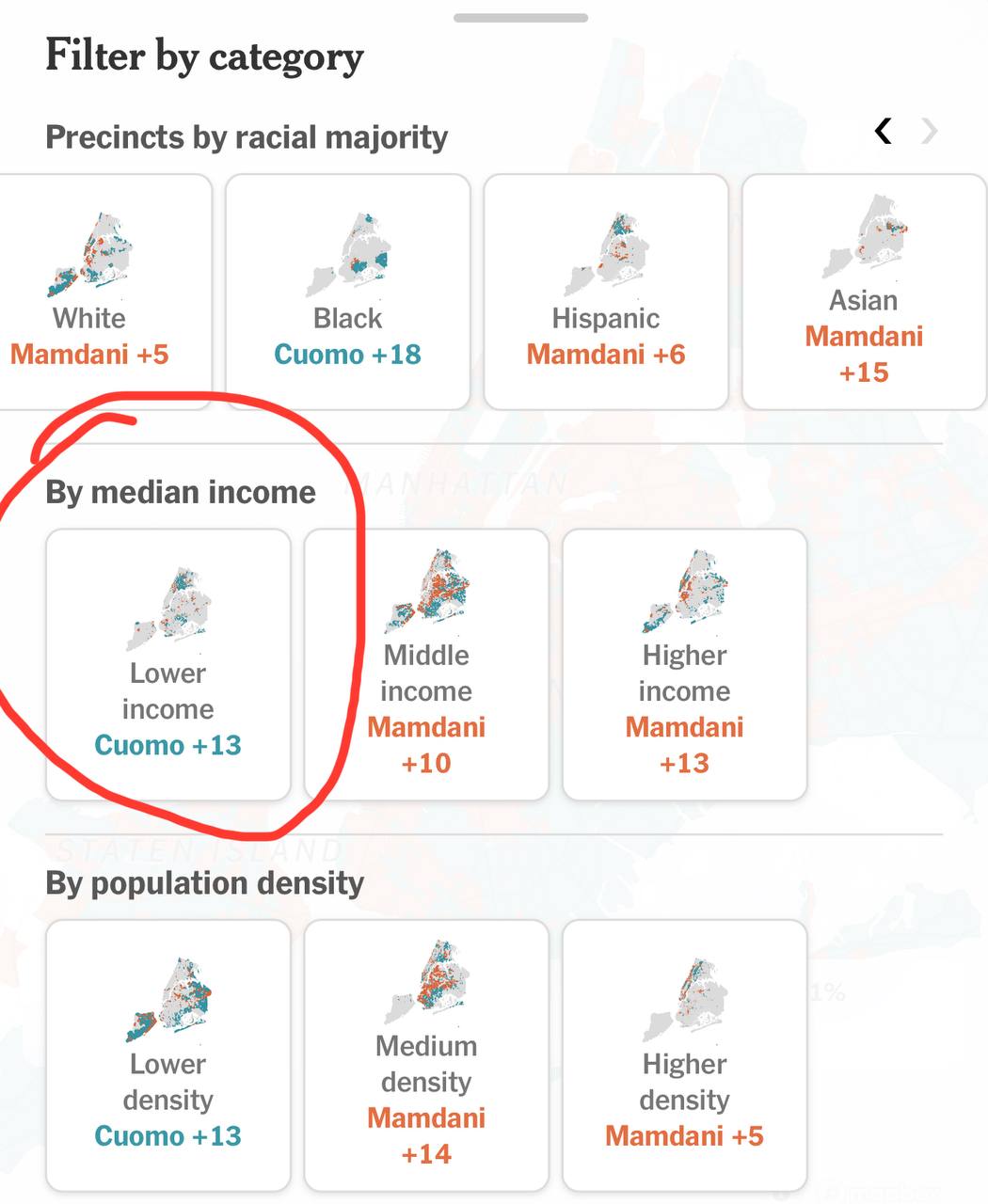
There’s so much proof it’s botched messaging. Also if they want the larger socialist angle they need to hit the champagne socialism. ZM won the highest income by double digits and lost the low income by like 16
❤
F
M
09:47
Mohammad
I dislike the free childcare idea, especially cuz it's state sponsored indoctrination, but then again Republicans are advocating more families more babies
09:48
If Zohran agreed to mass deport illegals I'd be with him
NW
09:49
Nick W
That’s antithetical to his entire platform
M
09:49
Mohammad
I know I'm just saying what my biggest problem with him is
09:49
That I know off
09:49
Lol
09:50
Fuck it, if you want a muslim mayor that'll decrease wages and increase rent, write me in.
JW
09:50
Joyce Wu
I cant stand that guy and I don’t actually know why - oh wait it’s the fact NYC is broke
M
JW
09:51
Joyce Wu
Cant stand Zohran
NW
09:51
Nick W
In reply to this message
It obviously does appeal to me but it makes it harder for these elites to use their virtue angle. Wealthy whites love to feel good about themselves for voting it also turns the class warfare angel in its head.
👍
JW
M
09:51
Mohammad
In reply to this message
I find him very likeable, on his campaign and videos alone ---- which is what most ppl will vote on
NW
M
JW
09:52
Joyce Wu
Did you see he practiced how to walk out of the store
M
09:52
Mohammad
In reply to this message
Exactly, can you imagine any of the other contenders making a fun video like him?
JW
09:52
Joyce Wu
Was on NYPost
M
09:52
Imagine Cuomo doing a closeup, ugggh
JW
09:52
Joyce Wu
Yea it’s all good acting - think that’s why I dont like him
M
09:53
Mohammad
I really want to see the decapitation of the Cuomo family political prospects
JW
09:53
Joyce Wu
Also voter fatigue
M
09:53
Mohammad
In reply to this message
He put in work, compare that to Cuomo who barely did shit and just expected to win
NW
09:53
Nick W
In reply to this message
Yes but in a party built on class warfare you create the narrative that the wealthy whites are voting against the interests of the poor minorities they feel good and flee when nyc because north Caracas
🤨
JW
JW
09:54
Joyce Wu
Thats a good take
M
NW
09:54
Nick W
The socialist bribery message targets the poor with handouts and the rich with virtue.
👍
JW
M
09:55
Mohammad
Yeah thata good messaging
09:55
Hard to argue with free
JW
09:55
Joyce Wu
Zohran knows all about this bc he also has a nonprofit
NW
09:55
Nick W
The poor see thru the handouts apparently
👍
JW
09:55
Why don’t the poor want all the free stuff you would the numbers for the low income would be all Zohran
09:55
That’s his worst demo besides black voters
JW
09:56
Joyce Wu
While rhe nonprofits rake in tons of money that only a small percentage goes to who it was intendeintendedd to
M
09:56
Mohammad
Poors are his bad demo?
NW
09:56
Nick W
JW
M
09:56
Mohammad
Seeing thr black votes for Cuomo is suss af tho
JW
09:56
Joyce Wu
It just goes to the CEOs of nonprofits used for campaign “outreach”
M
09:56
Mohammad
Like I almost feel like Cuomo was tryna cheat
JW
M
09:57
Mohammad
Who expected Cuomo to be popular among blacks, Hispanics, and poors?
09:58
And Cuomo closed hospitals in black neighborhoods
09:58
Cuomo also would've bankrupted nys had it not been for covid funds
NW
09:59
Nick W
In reply to this message
Yup that’s def a part of it. Some of shift toward Trump for minorities was that the handouts and help they get promised were given to illegals
👍
JW
M
09:59
Mohammad
Mamdani won the bengali vote, these are ppl that all voted trump last election
10:00
Mamdani specifically targeted places that went for trump last cycle
JW
10:00
Joyce Wu
In reply to this message
Which is why they don’t like Adams so hes not gonna get all the votes
M
10:00
Mohammad
I guess he figured those are good independents
NW
10:00
Nick W
I wanted to ask before I get off here for a bit what was your take on the buses?
S
M
JW
10:01
Joyce Wu
In reply to this message
Bengalis are licensed professionals- likely to be able to vote
NW
JW
10:01
Joyce Wu
I saw a whole group in Albany
M
10:01
Mohammad
My take is I support free busses because it'll make workers more efficient, increase economic activity. Etc.
JW
10:01
Never on time
M
10:01
Mohammad
Exactly
10:01
Slow busses free
JW
10:01
Joyce Wu
With free, even slower
M
10:02
Mohammad
Subways is next tuer
10:02
Uber is next tier
JW
10:02
Joyce Wu
Thats what communism does - create long lines
NW
10:02
Nick W
I use the buses a decent amount they aren’t bad but you can’t always rely on them.
JW
10:02
Joyce Wu
The only benefiting are the corporations who will charge you more like congesting pricing
M
10:03
Mohammad
Capitalism says x percent of people getting off at stop y thx to free free fare will buy stuff at local business
NW
10:03
Nick W
The issue I see is with the lines. I also see it becoming a homeless hangout
JW
M
JW
10:03
Joyce Wu
Btw with an NYU alumni card you can also ride their buses for free!!
M
10:03
Mohammad
I want more traffic more people working harder, spending monry
NW
10:04
Nick W
In reply to this message
I’m not falling for any thing lol I’m just saying I use the buses currently lol
M
10:04
Mohammad
I think it'll be good economically
JW
10:04
Joyce Wu
They also have special buses for autistic ppl lol 😂
10:04
Also free
M
10:04
Mohammad
Like whenever I play cities skylines I set bus fare to free and property prices go up
JW
10:04
Joyce Wu
Everyone who got free already got it
M
NW
10:04
Nick W
The mta also hemorrhages money already
JW
10:05
Joyce Wu
Its actually pretty cute
M
10:05
Mohammad
Free busses will be good for real estate too, especially commercial
JW
10:05
Joyce Wu
O everything is free if you jump the turnstile
🤣
NW
10:06
But now they have a turnstile monitor getting paid over $100k
😁
M
NW
M
10:06
Mohammad
Really?
JW
10:06
Joyce Wu
Yea
M
10:06
Mohammad
If I was mayor all yall getting a pay cut
JW
10:06
Joyce Wu
It was on the news
NW
M
10:07
Mohammad
In reply to this message
Not as good as the guy who got paid 400k a year to deliver coffee to construction sites. Who never went to work.
🤣
JW
JW
10:07
Joyce Wu
I was like damn, ill bring a chair when its not busy and sit there reading my book
M
10:07
Mohammad
In reply to this message
I'll threaten to bus in evert illegal as scab workers in America to the city if the unions don't disband
10:08
Then I'll have the ag accuse unions leaders of murder
JW
10:08
Joyce Wu
What they need to do is dismantle nonprofits
10:08
All this money is being washed into the nonprofit and into what they calll “community outreach”
M
10:08
Mohammad
What they need to do is get rid of the federal reserve, income tax
👍
JW
NW
10:08
Nick W
In reply to this message
I don’t know if I agree there. I think it’s just going to be a two tier system. The left is creating a underclass the poor will be segregated out to their own grocery stores and and transportation.
While all the champagne socialists will uber by the crowded bus and bread lines latte in hand to spend 2x on groceries that aren’t poison preservative filled food
👍
While all the champagne socialists will uber by the crowded bus and bread lines latte in hand to spend 2x on groceries that aren’t poison preservative filled food
JW
M
10:09
Mohammad
30 dollar minimum wage is thr most dangerous thing imo
10:09
What's the current min?
NW
10:09
Nick W
I think it’s still $15
M
10:09
Mohammad
30 mon wage will lead to crazy inflation
NW
10:09
Nick W
Only 100% Inc no big deal
M
10:10
Mohammad
Your gonna need a rent freeze woth 30 min wage
NW
10:10
Nick W
Sarcasm haha
M
10:11
Mohammad
Honestly you do need a 30 dollar min wage to get by comfortable on nyc, but that drastic doubling is dangerous
10:12
I bet with no minimum wage and no illegals workers would make $20 hourly, easy
❤
F
NW
10:12
Nick W
Raising min wage doesn’t fix the problem.
👍
JW
M
10:12
Mohammad
It makes it worse l, causes inflation
NW
10:13
Nick W
You hit the nail on the head the wage market can’t regulate it self because we keep fucking up the supply of the labor market.
JW
10:13
Joyce Wu
Need more jobs and businesses
10:13
But rhe payroll tax is high
10:13
We are getting taxed to death
10:14
Taxes are what kills the economy
M
10:14
Mohammad
Did you know that a slave in ancient Egypt, was by definition a person who was liable to pay 20% of their production to the state, I.e. taxes?
NW
10:14
Nick W
I remember not long after the minimum wage increase last time I went to a Taco Bell and the only worker in there was the cook lol.
Once they increased the minimum wage the amount of kiosks in fast food places skyrocketed
👍
Once they increased the minimum wage the amount of kiosks in fast food places skyrocketed
JW
M
10:14
Mohammad
We got it worse than the Hebrews in Exodus yall
🤣
F
NW
10:15
And a nonbelievers in a muslim empire might be charged at max 5% tax
10:15
And medieval European peasants paid little to no taxes
10:16
Maybe help build a cathedral or something during there 100 days off a year
10:16
Member when we had no income tax and you were allowed to own real estate?
10:17
Or transact in gold and silver
NW
JW
10:18
Instead of relyiing on human capital, they relied on renovating to fit more kiosks
M
10:19
Mohammad
It's nit just wages but technological advancement leading to these innovations. They woulda come about regardless of minimum wage.
10:19
In fact the early auto kiosks are less efficient than humans and might cost more, but it's a cost of development and trial and error
10:20
As a civilization we should innovate and make room for people in lower jobs to move up, but that only works when you have a closed system that doesn't let people immigrate
NW
10:21
But same with the McDonald’s in Murray Hill
M
10:21
Mohammad
I hope ai can fire all the middle management and bureaucrats put there
JW
NW
10:23
Nick W
I believe so but this was like 3-4 years go lol
M
10:23
Mohammad
I want a robot servant
10:23
But can you trust it?
S
10:24
Steven
I dont think a mayor is constitutionaly allowed to set minimum wages i think it has to be state government
NW
M
10:24
Mohammad
Yeah, mayor can't make free busses either
JW
10:24
Joyce Wu
🧐
10:25
He definitely shouldnt be in charge of police
M
10:25
Mohammad
But in many if not all executive elections, candidates have policies that require legislative support
S
10:25
Steven
So he is a snake oil salesman
💯
NW
M
10:25
Mohammad
No his policy promises are easy for him to deliver
10:25
Especially given the makeup of nyc govt
NW
10:26
Nick W
Adams had a good clip in fox. He said that ZM is promising stuff he had more control over as an assemblyman. And doesn’t have the power to and mayor
M
10:26
Mohammad
Yeah I saw that
JW
M
10:26
Mohammad
But the stuff z is promising is very easy to deliver and he'll have the support he needs
NW
10:27
Nick W
In reply to this message
Free sounds great. Look at every free giveaway whether slurpees or donuts lol
🤣
JW
JW
10:27
Joyce Wu
How about free taxes back?!
M
10:27
Mohammad
How bout no taxes
JW
10:27
Joyce Wu
Trump won on this
NW
10:27
Nick W
The poor don’t really pay taxes
👍
JW
JW
10:28
Joyce Wu
True
M
10:28
Mohammad
Fine no taxes for me but no break for joyce
JW
10:28
Joyce Wu
But they get everything free anyways
10:28
My head hurts
NW
10:28
Nick W
Free is expensive lol
M
10:28
Mohammad
In reply to this message
We subsidize the employers that don't pay the poor enough to pay taxes or pay for healthcare
JW
M
10:29
Mohammad
How?
JW
10:30
Joyce Wu
They basically funnel everything nonprofits
M
10:30
Mohammad
In a free market system if a employer didn't pay his or her employee what they need to survive, the employer gets no workers unless he ups his rate
JW
10:30
Joyce Wu
Then they get a grant
10:30
This is how they’re doing it on the AAPI Commission
M
10:30
Mohammad
But because of programs like wellfare, we the public pickup thr tab
10:31
But who were really helping are employers, especially big ones
JW
10:31
Joyce Wu
Hochul gave $30 Milllion to the African American Commission via grants
10:31
$30 M to AAPI
10:31
Only to her nonprofit friends
10:32
They give out to their friends
10:32
Thats how all of this works
NW
10:32
Nick W
I don’t think we’re helping employers as much in healthcare / welfare as we are we are by flooding the labor market with people who can’t complain about being underpaid. Whether it’s legal H1Bs or illegals.
M
10:32
Mohammad
Both are bad for the average American, good for big corps
JW
10:32
Joyce Wu
They were giving money via Biden admin to nonprofit which partnered with hospitals
NW
10:33
Nick W
Fair but one flows from the other
JW
10:33
Joyce Wu
It happened
M
10:33
Mohammad
In reply to this message
We're paying for the benefits of nearly every Walmart and Amazon employee
JW
10:33
Joyce Wu
Not supposed to mix but they do
M
10:33
Mohammad
Amazon and Walmart in this example are the benefactors
JW
10:33
Joyce Wu
I see the Dem politicians on the webpage all the time
10:33
😂
NW
10:33
Nick W
I’m not denying what’s happening I’m debating why it’s happening.
JW
10:34
Joyce Wu
They said DEI paid some corps $100k
NW
10:34
Nick W
Uniparty
JW
10:34
Joyce Wu
Jews have nonprofits also
10:34
A lot
M
10:35
Mohammad
Lol they have nonprofits that supposedly deliver food aid to Africa, when I reality they steal diamonds and send em to tel Aviv to be cut and wholesaled
JW
10:35
Joyce Wu
International nonprofits collect the most influence on politics
NW
10:35
Nick W
In reply to this message
Who else benefits? The government wants people to be dependent on THEM not employers. Whoever you are reliant on you’re beholden to.
👍
JW
JW
10:36
Joyce Wu
Donors
M
NW
JW
10:36
Joyce Wu
Yes our money plays a big role
10:36
Obviously
10:36
They use it to keep their power
10:36
Soros doesn’t use his own money
M
10:37
Mohammad
Soros is a badass
JW
10:37
Joyce Wu
Just fuck it -dont donate to nonprofits unless theyre Republican
10:37
😂
NW
10:38
Nick W
In reply to this message
“The American Republic will endure until the day Congress discovers that it can bribe the public with the public’s money.” - Alexis de Tocqueville
🔥
JW
M
JW
10:38
Yup
NW
10:40
Interesting convo, but too much distraction lol. Later all
M
10:40
Mohammad
Bye
JW
M
11:41
Mohammad
Trumps dealing with Iran seems fishy, especially with the uranium
11:42
Reminds me off the time they actively looked away while pakistan was making a nuke, while actively condemning
JW
11:44
No one is gonna tell you exactly where everything is
M
11:44
Mohammad
Yup almost seems like trump is fed up to that point
JW
11:44
Joyce Wu
Its probably hiding in plain sight
M
11:44
Mohammad
Of looking the other way
11:44
Which also puts pressure on bibi
JW
11:45
Joyce Wu
I think the U.S. knows
M
11:45
Mohammad
I'm sure trump aint happy the way bibi disrespect him
11:45
US k ows what?
11:45
I think more countries should have nukes on the intl level, and citizens should have guns on the domestic level
JW
M
11:46
Mohammad
Oh yeah we know Israel got nukes
11:46
I'd like to hope America keeps track of the Israeli dolphin subs with nukes on board
JW
11:46
Joyce Wu
Yea and they probably lie to Trump’s face bc of arrogance
M
11:47
Mohammad
What most people don't know is that Israel has a nuke pointed at every major European capital, as part of the Samson option
JW
11:47
Joyce Wu
The one thing I cant stand is someone lying to my face when I know the person lying has much lower IQ
M
11:47
Mohammad
Bibi is def high iq
11:47
Crazy resume
JW
11:48
Like Bill Gates thinks no one knows what he’s doing
11:48
When everyone knows he’s evil
M
11:48
Mohammad
Speaking of ngos
JW
M
11:48
Mohammad
Did you know that bull gates dad showed the rockefellers how to set up charities?
🤨
JW
JW
MG
11:50
Michael Gianino
In reply to this message
Tim Walz also proudly displayed a plaque that was gifted to him which read “Satan has a special place for you.”
❤
F
11:52
In reply to this message
I go to cuny and don’t get shit. They got me paying over $1k for one summer class
M
11:56
Mohammad
Yeah that's what I had to do
JW
11:57
Joyce Wu
In reply to this message
You’re white so of course you get shit lol 😂 NOT part of the algorithm
11:57
Like Asians lol
MG
11:57
Michael Gianino
Tell me about it
JW
11:58
Joyce Wu
Imagine finding out that Harvard allows 30% foreign students to meet the “Asian Quota” while not allowing American students to
MG
11:58
Michael Gianino
Legal system doesn’t care about us either I can tell you from experience
JW
11:59
Joyce Wu
Italiano also? Lol 😂
👍
MG
11:59
The degradation of the family structure is what the liberals feed off of
12:01
White libs are inherently racist so they pretend not to be by doing all this nonprofit while banking
MG
12:01
Michael Gianino
They want to bring down the nuclear family and they’re succeeding. I’d argue it’s a form of domestic terrorism. Whereas Muslims are procreating and spreading rapidly. I wouldn’t be surprised if one day every major country becomes an Islamic state
👍
JW
M
JW
12:02
They look towards religion for moral clarity
M
12:03
Mohammad
Lol read Albert Pike and what he had to say. Rather what his plans were regarding feminism and the nuke family
JW
12:03
Joyce Wu
We are feeding into Islamaphobia when they dont like woke or LGTBQ or any of those things - cab drivers put their kids in religious schools away from all this
M
12:04
Mohammad
By attacking mamdani as a terrorist communist when both are oxymoronic and he fits neither category to a t is a recipe for defeat
👍
JW
JW
12:04
Joyce Wu
Lib Jews are a great example
M
12:04
Mohammad
But Cuomo running again shows how hilariously stupid Democrat primaries are
JW
12:05
Joyce Wu
We have a chance - just need to get it together lol 😂
MG
12:05
Michael Gianino
Yea but extremists manipulate religion and take stuff out of context to justify heinous acts over other cultures and beliefs. If we could all live in peace I’d say to each their own but once you start chanting “death to America” and claiming you won’t stop till Islam has infiltrated every home I’d say it’s time we fought back and acknowledged that there’s a spiritual war going on right now in world that’s too sensitive and soft to even acknowledge it’s happening
👍
NW
F
JW
JW
12:06
Joyce Wu
In reply to this message
This is Iran - we have to remember that all these groups of Muslims also dont get along
12:06
They have sterotypes
12:06
The groups which I think can lean toward us are Bangladesh and Pakistani - bc a lot of them own shit
12:07
Businesses, healthcare professionals etc
12:07
Doctors
MG
12:07
Michael Gianino
It’s most certainly not everyone. But like we saw with hitler, if you’re inspiring enough, you can get people on board with pretty much anything
JW
M
12:08
Mohammad
Nah the situation has to be sufficient to allow anyone, Hitler or normie to attain positions of leadership
JW
12:08
Joyce Wu
Also a lot of psychops going on
M
12:08
Mohammad
Like the situation we have now, dem mayor losing nomination, ranked choice voting
JW
12:09
Joyce Wu
I think he should stay in - Cuomo
12:09
The votes are split
M
12:09
Mohammad
In reply to this message
I mean how it's a joke who wins a dem primary, when they hold one that is
🤣
MG
JW
JW
12:10
Joyce Wu
They created this mess
12:10
Much like when you are choosing specialized high schools
M
12:10
Mohammad
?
JW
12:11
Joyce Wu
Nvmd too much to type lol
M
12:11
Mohammad
Be like that
MG
12:11
Michael Gianino
I left the country during the last administration.. might have to leave the state come November
M
12:11
Mohammad
Enjoy the show and hope ny property priced can crash and rebound in your lifetime
MG
12:14
Michael Gianino
I was thinking it might be wise to sell property before November and then buy back during mamdanis time in office, idk if I got the balls to make a move like that though
🔥
JW
NW
JW
12:15
Joyce Wu
Dont move to Florida lol
12:15
Feel like everyone is moving lol
M
12:15
Mohammad
I'm looking at places like Ohio
JW
12:16
Joyce Wu
Vivek
❤
F
MG
M
12:16
Mohammad
Maybe he'll be nice to a brown dude that buys a gas station there
12:16
He can man the slurpee machine if he don't become governor
🤣
F
MG
12:23
Michael Gianino
In reply to this message
Going to Tampa for a turning point conference in a few weeks.. might wanna stay who knows 🤷🏻♂️
🤣
JW
M
12:24
Mohammad
I'd love to move to FL or TX if I could find a good deal
JW
12:25
It was nice but got homesick
MG
F
T
15:05
Tay
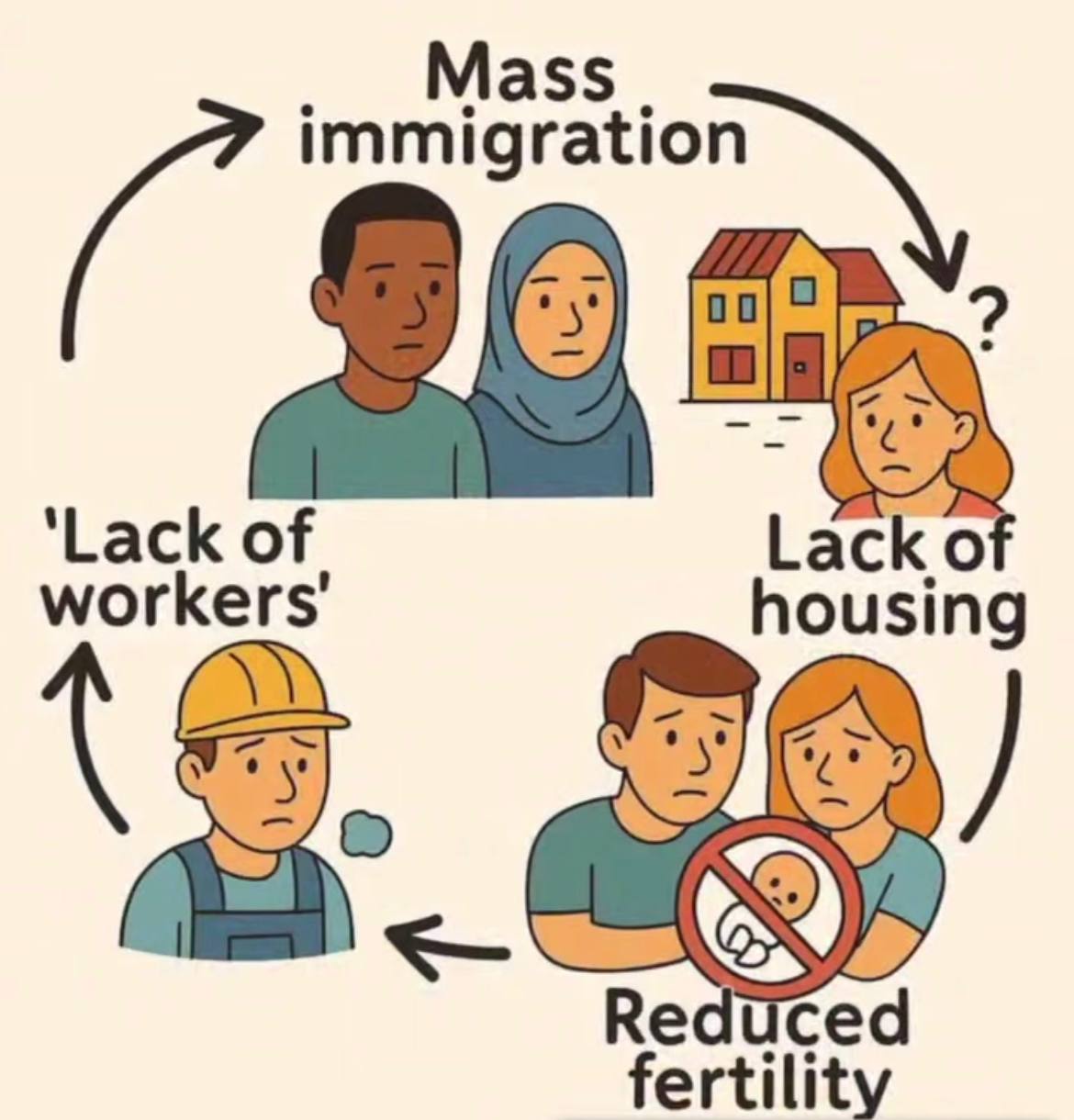
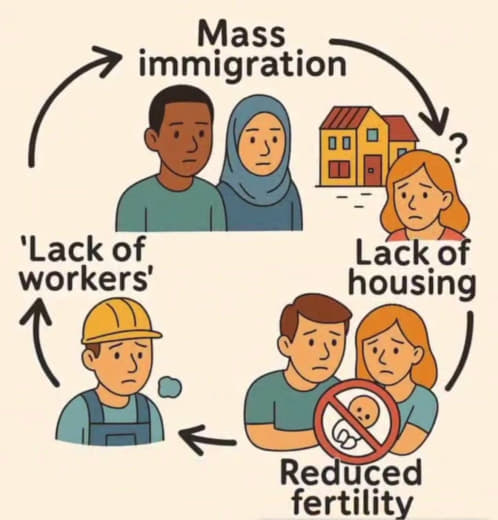
The western death spiral visualized
❤
F
PM
15:22
Boo 👻 sen thune loser
15:22
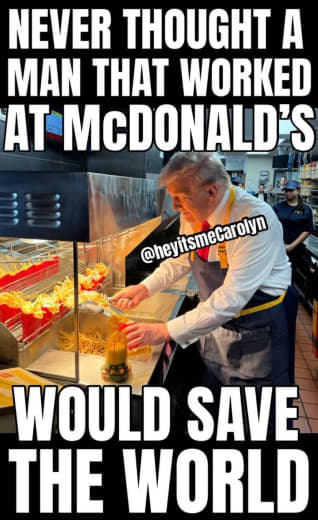
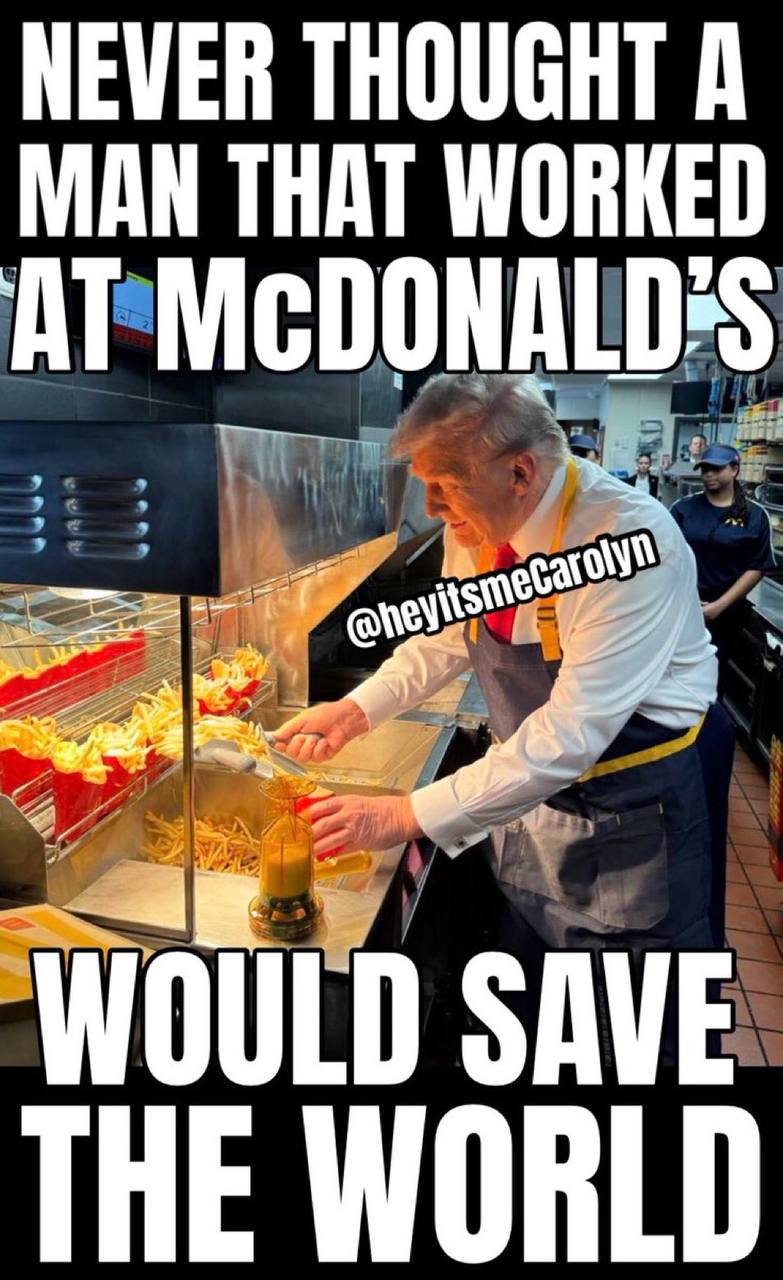
Friday memes
15:22
15:22

15:22
15:22
15:22
15:22
15:22
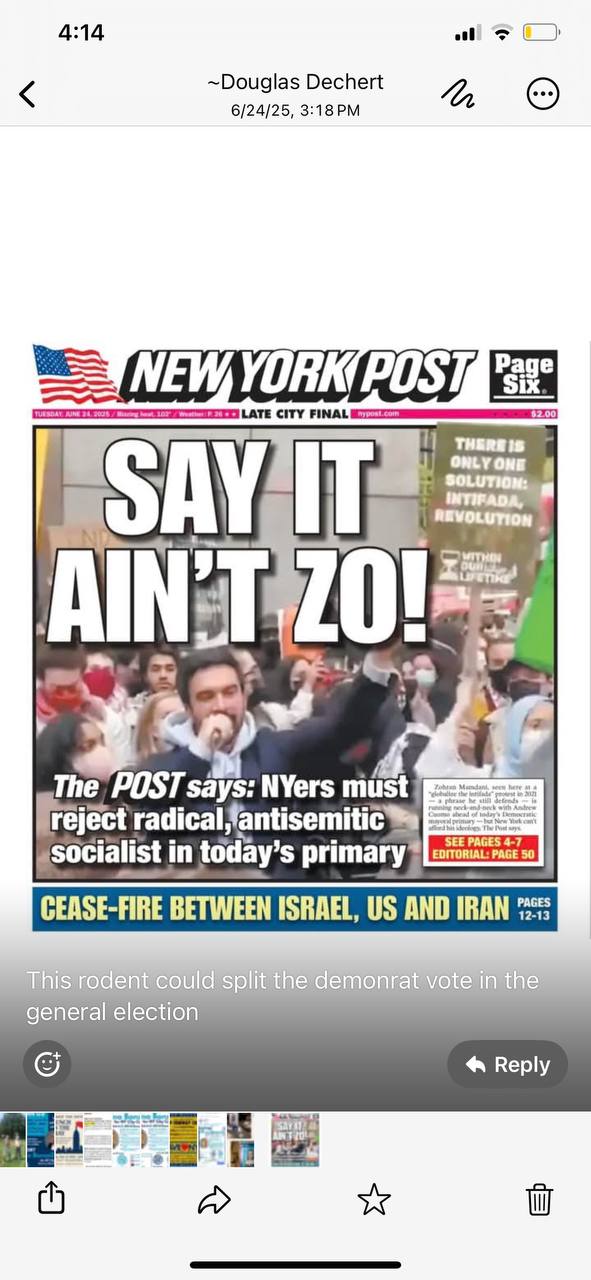
F
15:29
In reply to this message
No kings except for that one unelected deep stater who decides legislation on her own huh
NW
F
15:45
Good insights, bit of UES in there
PM
16:08
Paul Mourino
In reply to this message
For me Silwa is officially
“ok boomer “
Time to retire bruh 😎
🤣
“ok boomer “
Time to retire bruh 😎
F
NW
F
17:07
Felipe J.
R
Raheem Kassam 27.06.2025 16:41:40
NEW: Cuomo Poised to Split the Liberal Vote in NYC With Independent Mayoral Run.
https://thenationalpulse.com/2025/06/27/cuomo-poised-to-split-the-liberal-vote-in-nyc-with-independent-mayoral-run/?feed_id=57101&_unique_id=685f02047c348
https://thenationalpulse.com/2025/06/27/cuomo-poised-to-split-the-liberal-vote-in-nyc-with-independent-mayoral-run/?feed_id=57101&_unique_id=685f02047c348
M
20:36
They claim Cuomo is trump candidate
F
20:36
Felipe J.
Nat pulse is Raheem kassam’s paper
20:36
I’m surprised as anyone
M
20:36
Mohammad
I didn't read the article yet...
F
20:37
Felipe J.
But maybe the calculus is cuomo went through getting purged by the democrats idk
JW
M
20:40
Mohammad
Sliwa?
20:41
Has sliwa done anything since the 90s?
PM
21:17
Paul Mourino
Oh boy
21:18

NW
21:31
Bill ackman will finance the right challenge to zohran
F
F
21:52
Felipe J.
In reply to this message
I mean I guess I understand why Curtis is mad lmao, haven’t seen a candidate get curved this hard since Ron Paul 2012
28 June 2025
T
00:18
Tay
In reply to this message
Bro is about to put 800% more funding to anti-racism-bs. We are gonna be hunted
DM
00:27
Doug Mayhew
You can think of the Indians with money as somewhat aligned with British thinking… they don’t think for themselves, but think what the money crowd thinks…
This guy’s flavor of politics follows the socialism/inspired by the Fabian society type stuff … it’s the left side of the manipulative engine, George Soros’s wheelhouse.
It is beliefs, wrapped in branding, it’s synthetic, to play against people’s confirmation bias.
This guy’s flavor of politics follows the socialism/inspired by the Fabian society type stuff … it’s the left side of the manipulative engine, George Soros’s wheelhouse.
It is beliefs, wrapped in branding, it’s synthetic, to play against people’s confirmation bias.
PM
05:40
05:41
Happy b day elon musk
https://x.com/xjournalk/status/1938817834513244519?s=46&t=qvsvPJEXfOVbSyFwodbteA
https://x.com/xjournalk/status/1938817834513244519?s=46&t=qvsvPJEXfOVbSyFwodbteA
M
06:12
Mohammad
With the recent SCOTUS ruling idc if Zohran becomes mayor
06:12
I'm not worried
⚡T
06:17
⚡️Luc Trudel
T
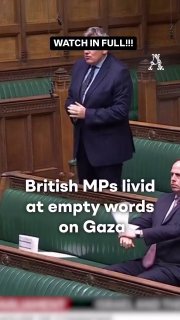
PM
08:09
Paul Mourino
In reply to this message
lol bill ackman sure is and he’s ready to fund ur run for mayors office lol 😆
M
11:09
Mohammad
I'm not worried cuz we got trump and now fed courts can't fuck around
S
11:11
Steven
Surprised at the supreme court rulings the last like 3 of them
11:12
Usually for the last 5 years they have been acting like little bitches not doing what the base wants but i am pleasently surprised
NW
13:36
In reply to this message
It’s true what is difficult and frustrating is that the left sell is easy:
- free stuff
The right has to figure out how to explain why that doesn’t work without a policy essay
- free stuff
The right has to figure out how to explain why that doesn’t work without a policy essay
PM
16:21
Paul Mourino
In reply to this message
It’s called soverignity, or the entrepreneur or the American dream, can do built it, and they will come let’s go attitude.
It’s there ready for those brave and bold enough to say it loud and say it proud
It’s there ready for those brave and bold enough to say it loud and say it proud
PM
17:10
Paul Mourino
Interesting news from scotus
17:11
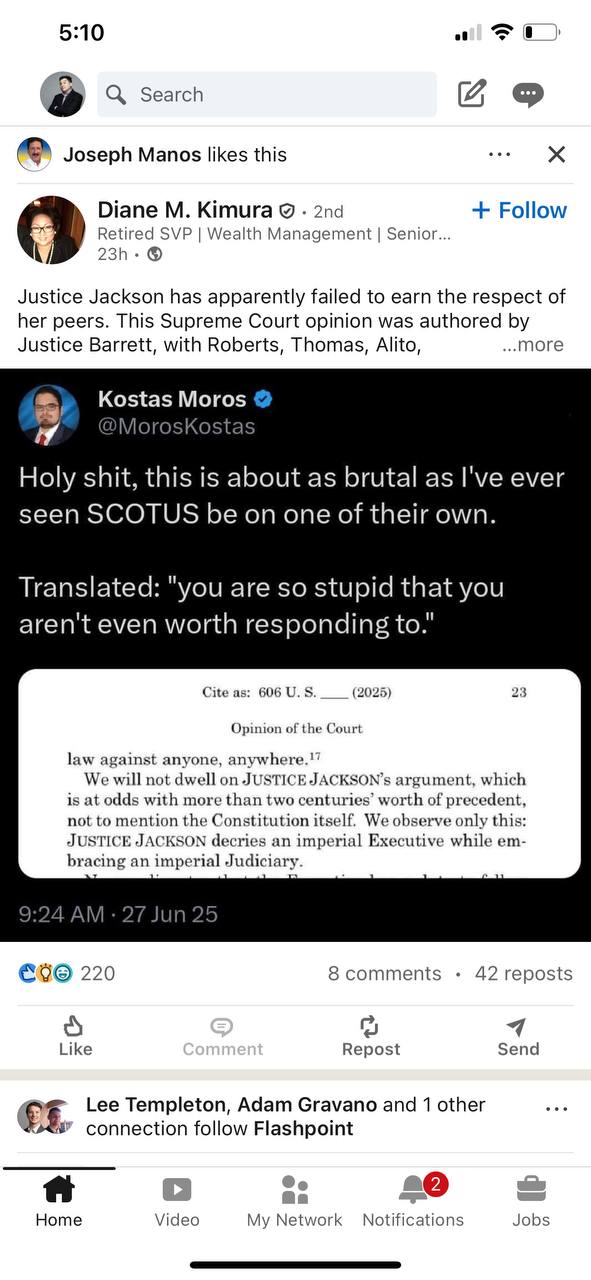
S
17:14
Steven
In reply to this message
This was yesterday i believe its insane they finaly got their shit together
JW
20:04
Joyce Wu
Autopen Jackson
❤
F
⚡T
JW
20:39
Joyce Wu
People are tired of this shit
20:40
If this keeps happening, China will find a way more sneaky to do the same but a thousand times worse
20:40
Israel is also doing business with China
20:42
I don’t have precise, up-to-date figures on the total financial flows from China to Israel, as this involves complex and dynamic economic interactions like trade, investments, and aid, which aren’t always fully disclosed or aggregated in real-time. However, I can piece together what’s known from available data up to my last update in 2025, focusing on trade, investments, and any reported financial aid or cooperation. If you’re looking for something specific (e.g., trade volume, investments in a sector, or aid), let me know, and I can dig deeper or clarify.
Trade
China is one of Israel’s largest trading partners, particularly for imports. In 2024, bilateral trade between China and Israel reached $22.7 billion, with $14.3 billion in Chinese exports to Israel and $8.4 billion in Israeli exports to China. This makes China Israel’s second-largest trading partner after the United States and the largest in East Asia. Imports from China to Israel in 2024 were reported at around $13.34 billion by some sources, though this aligns closely with the $14.3 billion figure.
Key Context: Israel’s imports from China include electronics, machinery, and consumer goods, while Israel exports electronic components (e.g., Intel chips) and high-tech products to China. In 2022, total trade was $24.45 billion, up 11.6% from the previous year, showing steady growth. However, 2023 saw a dip in trade due to geopolitical tensions and Chinese restrictions on dual-use tech exports to Israel.
Investments
Chinese investment in Israel, particularly in technology and infrastructure, has been significant but fluctuates due to geopolitical pressures, especially from the U.S. From 2011 to 2017, Chinese investment in Israeli technology alone reached an aggregate of $15 billion, targeting sectors like agriculture, pharmaceuticals, medical devices, AI, and autonomous driving. Up to 2019, Chinese investments and mergers/acquisitions in Israel’s tech sector totaled $9.14 billion across 449 deals, with additional $5.91 billion in infrastructure (e.g., ports, transportation, electricity).
Notable Examples:
Alibaba invested in Israel’s Jerusalem Venture Partners (cybersecurity) and Visualead (QR code tech).
Baidu invested $3 million in Pixellot (video capture) and $5 million in Tonara (music education).
Horizons Ventures (Li Ka-shing’s firm) led a $10.8 million investment in Windward (maritime analytics).
Chinese state-owned enterprises have invested in projects like the Haifa port ($2 billion by Shanghai International Port Group) and Tel Aviv’s light rail.
Trends and Constraints: Chinese investment peaked around 2015–2018 but cooled after 2019 due to U.S. pressure over security concerns (e.g., tech transfers, cyber risks). Israel tightened foreign investment oversight in 2022, partly targeting Chinese deals. By 2023, Chinese tech exports to Israel faced delays, with bureaucratic hurdles and shipping restrictions (e.g., COSCO Shipping suspending service to Israeli ports).
Financial Aid
There’s no evidence of direct financial aid from China to Israel in the form of grants or loans, unlike U.S. military and economic aid (e.g., $3.8 billion annually through 2028 under the U.S.-Israel MOU). China’s engagement with Israel is primarily commercial, driven by trade and investment rather than aid. For comparison, China provided $1 million in assistance to Palestinians in 2014, while investing $4 billion in Israel that year, showing a clear economic focus on Israel over aid.
Belt and Road Initiative (BRI): Israel hasn’t formally joined the BRI, but Chinese infrastructure projects (e.g., ports, rail) align with BRI goals. Israel’s low investment risk and strategic location in the Eastern Mediterranean make it attractive for China. Unlike other BRI partners, Israel doesn’t rely on Chinese loans, avoiding debt traps.
Other Financial Cooperation
Free Trade Agreement (FTA): Negotiations for a China-Israel FTA began in 2019, running parallel to China-Palestine FTA talks to avoid perceptions of favoritism.
Trade
China is one of Israel’s largest trading partners, particularly for imports. In 2024, bilateral trade between China and Israel reached $22.7 billion, with $14.3 billion in Chinese exports to Israel and $8.4 billion in Israeli exports to China. This makes China Israel’s second-largest trading partner after the United States and the largest in East Asia. Imports from China to Israel in 2024 were reported at around $13.34 billion by some sources, though this aligns closely with the $14.3 billion figure.
Key Context: Israel’s imports from China include electronics, machinery, and consumer goods, while Israel exports electronic components (e.g., Intel chips) and high-tech products to China. In 2022, total trade was $24.45 billion, up 11.6% from the previous year, showing steady growth. However, 2023 saw a dip in trade due to geopolitical tensions and Chinese restrictions on dual-use tech exports to Israel.
Investments
Chinese investment in Israel, particularly in technology and infrastructure, has been significant but fluctuates due to geopolitical pressures, especially from the U.S. From 2011 to 2017, Chinese investment in Israeli technology alone reached an aggregate of $15 billion, targeting sectors like agriculture, pharmaceuticals, medical devices, AI, and autonomous driving. Up to 2019, Chinese investments and mergers/acquisitions in Israel’s tech sector totaled $9.14 billion across 449 deals, with additional $5.91 billion in infrastructure (e.g., ports, transportation, electricity).
Notable Examples:
Alibaba invested in Israel’s Jerusalem Venture Partners (cybersecurity) and Visualead (QR code tech).
Baidu invested $3 million in Pixellot (video capture) and $5 million in Tonara (music education).
Horizons Ventures (Li Ka-shing’s firm) led a $10.8 million investment in Windward (maritime analytics).
Chinese state-owned enterprises have invested in projects like the Haifa port ($2 billion by Shanghai International Port Group) and Tel Aviv’s light rail.
Trends and Constraints: Chinese investment peaked around 2015–2018 but cooled after 2019 due to U.S. pressure over security concerns (e.g., tech transfers, cyber risks). Israel tightened foreign investment oversight in 2022, partly targeting Chinese deals. By 2023, Chinese tech exports to Israel faced delays, with bureaucratic hurdles and shipping restrictions (e.g., COSCO Shipping suspending service to Israeli ports).
Financial Aid
There’s no evidence of direct financial aid from China to Israel in the form of grants or loans, unlike U.S. military and economic aid (e.g., $3.8 billion annually through 2028 under the U.S.-Israel MOU). China’s engagement with Israel is primarily commercial, driven by trade and investment rather than aid. For comparison, China provided $1 million in assistance to Palestinians in 2014, while investing $4 billion in Israel that year, showing a clear economic focus on Israel over aid.
Belt and Road Initiative (BRI): Israel hasn’t formally joined the BRI, but Chinese infrastructure projects (e.g., ports, rail) align with BRI goals. Israel’s low investment risk and strategic location in the Eastern Mediterranean make it attractive for China. Unlike other BRI partners, Israel doesn’t rely on Chinese loans, avoiding debt traps.
Other Financial Cooperation
Free Trade Agreement (FTA): Negotiations for a China-Israel FTA began in 2019, running parallel to China-Palestine FTA talks to avoid perceptions of favoritism.
20:42
Innovation and R&D: The China-Israel Joint Committee on Innovation Cooperation (est. 2014) has facilitated projects like the China-Israel Changzhou Innovation Park and the China-Israel Innovation Hub in Shanghai. A $300 million trade agreement in 2017 boosted Israeli exports of agricultural and energy tech.
Asian Infrastructure Investment Bank (AIIB): Israel joined the AIIB in 2015, but specific financial benefits or loans from this aren’t well-documented.
Geopolitical Context
China’s economic ties with Israel are described as “cold politics, hot economics” due to political differences, particularly over the Israel-Gaza conflict. Since the October 7, 2023, Hamas attack, China’s pro-Palestinian stance (e.g., not condemning Hamas, vetoing U.S.-backed UN resolutions) has strained relations, leading to a trade dip in 2023. However, some Israeli experts argue for maintaining economic ties despite political tensions, given China’s importance.
Summary
Trade (2024): ~$22.7 billion total, with Israel receiving ~$14.3 billion in imports from China.
Investments: ~$15 billion in tech (2011–2017), $9.14 billion in tech M&As (up to 2019), $5.91 billion in infrastructure.
Aid: No direct financial aid; China’s engagement is investment-driven.
Other: FTA talks, BRI projects, and innovation hubs enhance economic ties, but U.S. pressure and geopolitical tensions limit growth.
If you want a breakdown by sector, a focus on recent trends, or help with something else, let me know! I can also check X or web sources for more current sentiment or data if needed.
Asian Infrastructure Investment Bank (AIIB): Israel joined the AIIB in 2015, but specific financial benefits or loans from this aren’t well-documented.
Geopolitical Context
China’s economic ties with Israel are described as “cold politics, hot economics” due to political differences, particularly over the Israel-Gaza conflict. Since the October 7, 2023, Hamas attack, China’s pro-Palestinian stance (e.g., not condemning Hamas, vetoing U.S.-backed UN resolutions) has strained relations, leading to a trade dip in 2023. However, some Israeli experts argue for maintaining economic ties despite political tensions, given China’s importance.
Summary
Trade (2024): ~$22.7 billion total, with Israel receiving ~$14.3 billion in imports from China.
Investments: ~$15 billion in tech (2011–2017), $9.14 billion in tech M&As (up to 2019), $5.91 billion in infrastructure.
Aid: No direct financial aid; China’s engagement is investment-driven.
Other: FTA talks, BRI projects, and innovation hubs enhance economic ties, but U.S. pressure and geopolitical tensions limit growth.
If you want a breakdown by sector, a focus on recent trends, or help with something else, let me know! I can also check X or web sources for more current sentiment or data if needed.
PM
21:57
Paul Mourino
King fu night classic Bruce Lee
PM
23:55
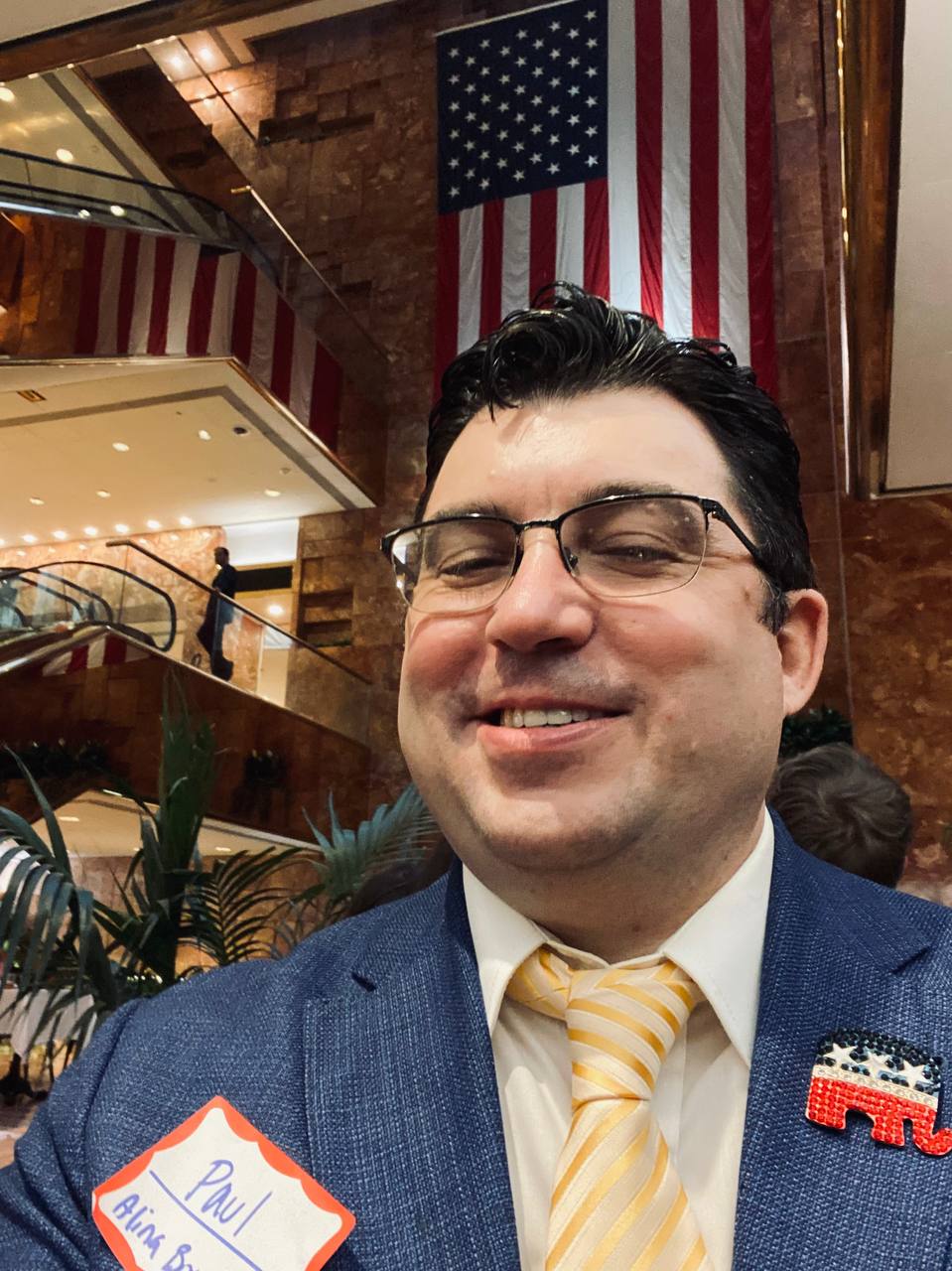
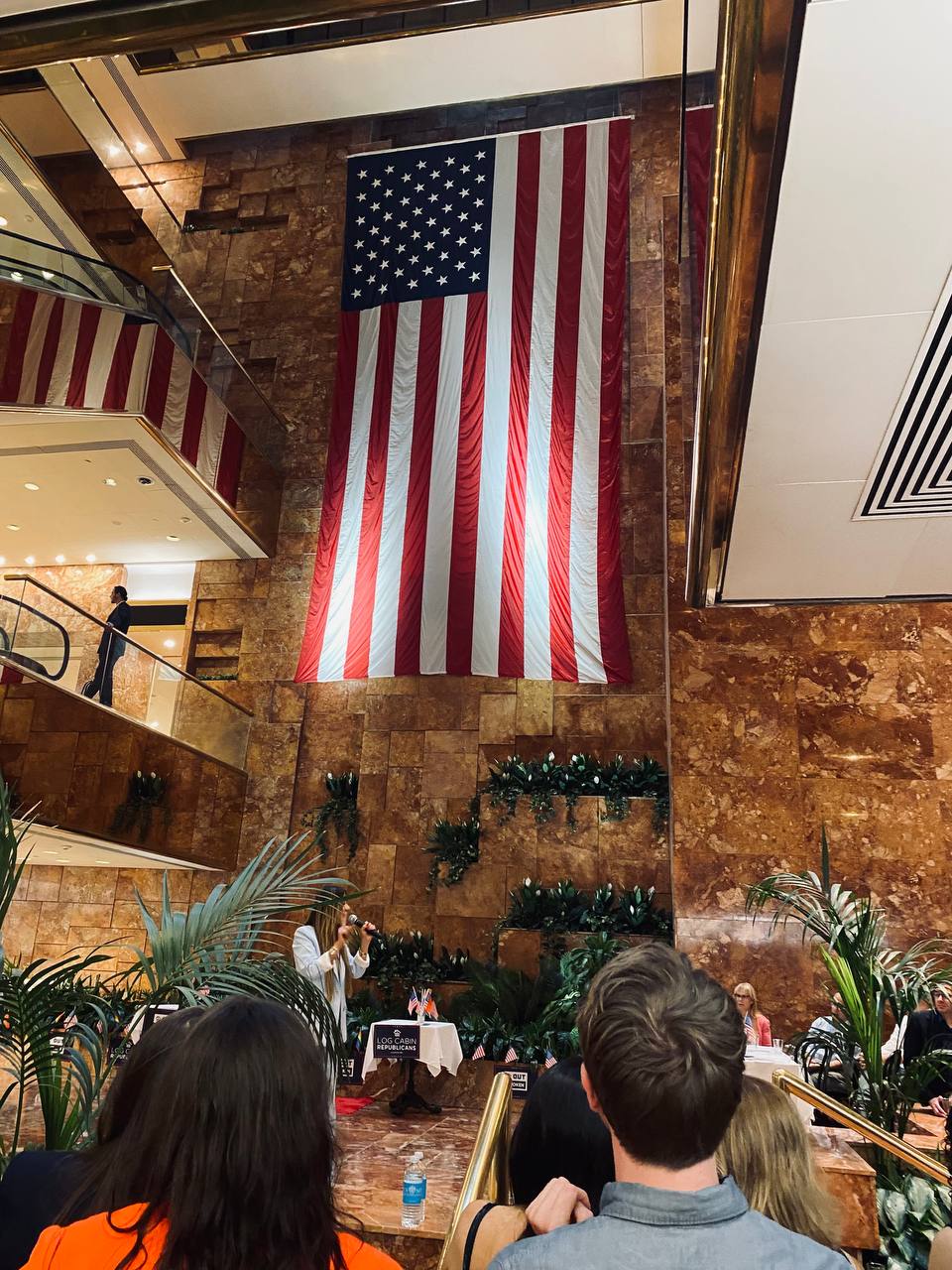
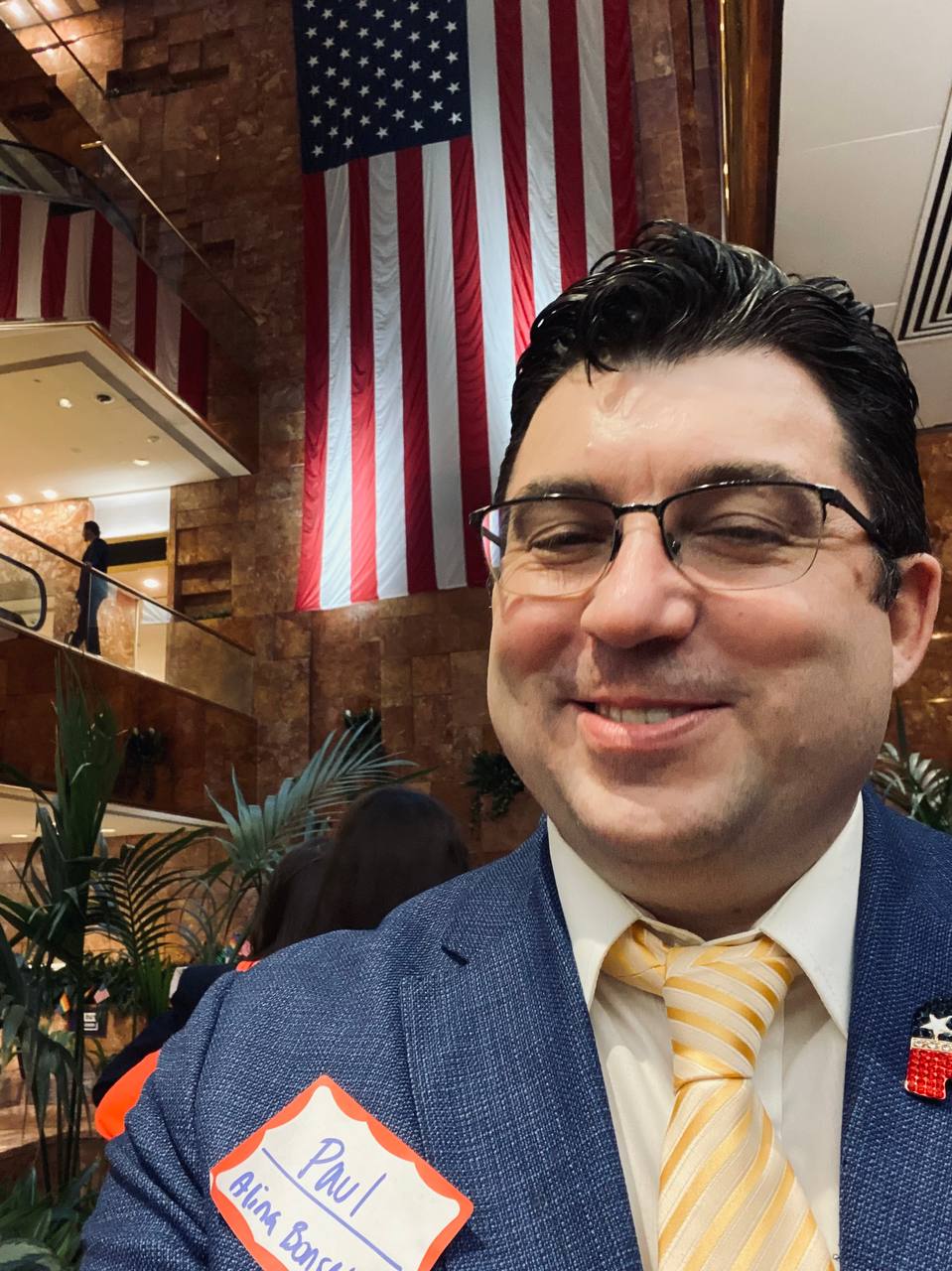
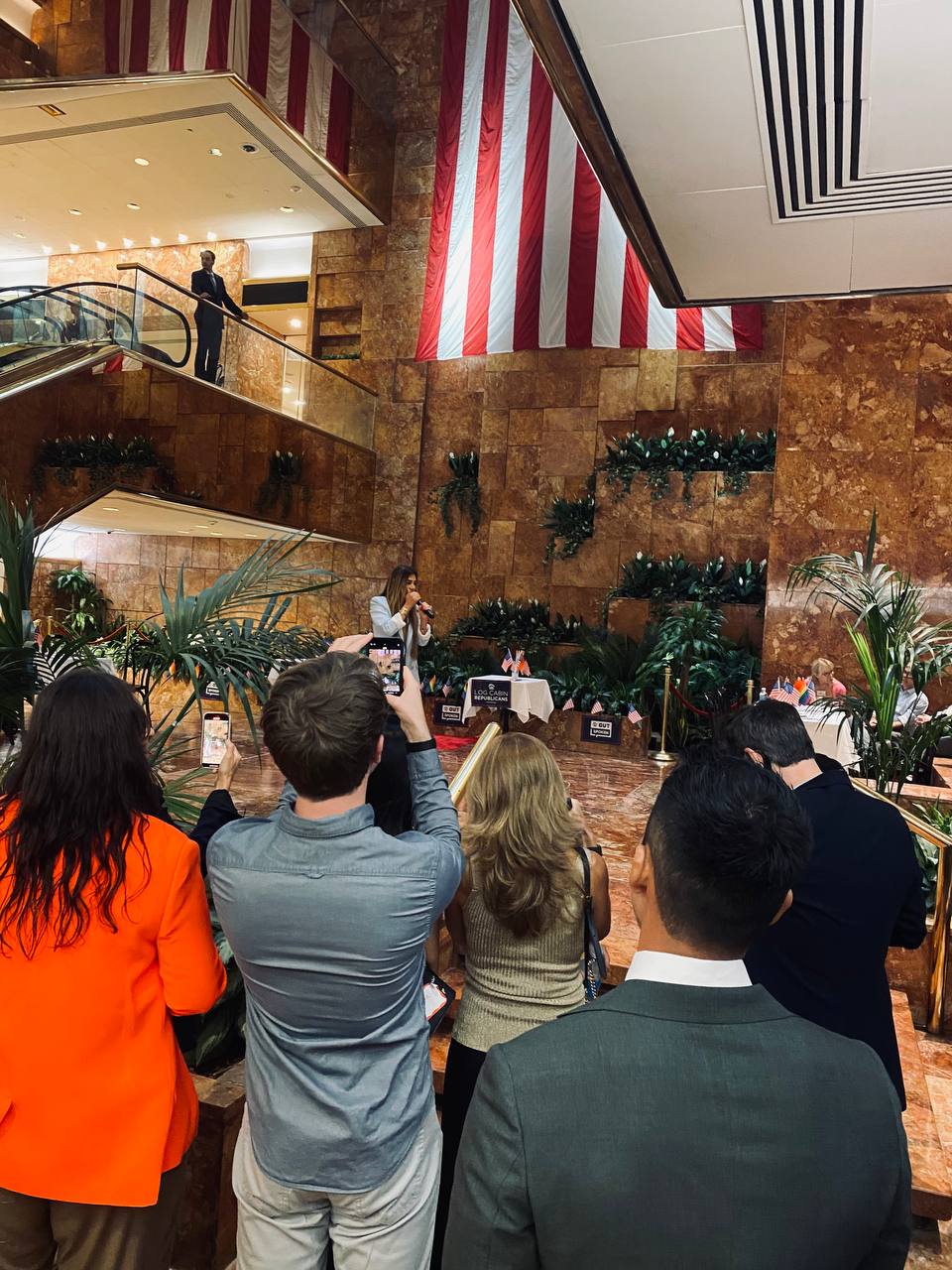
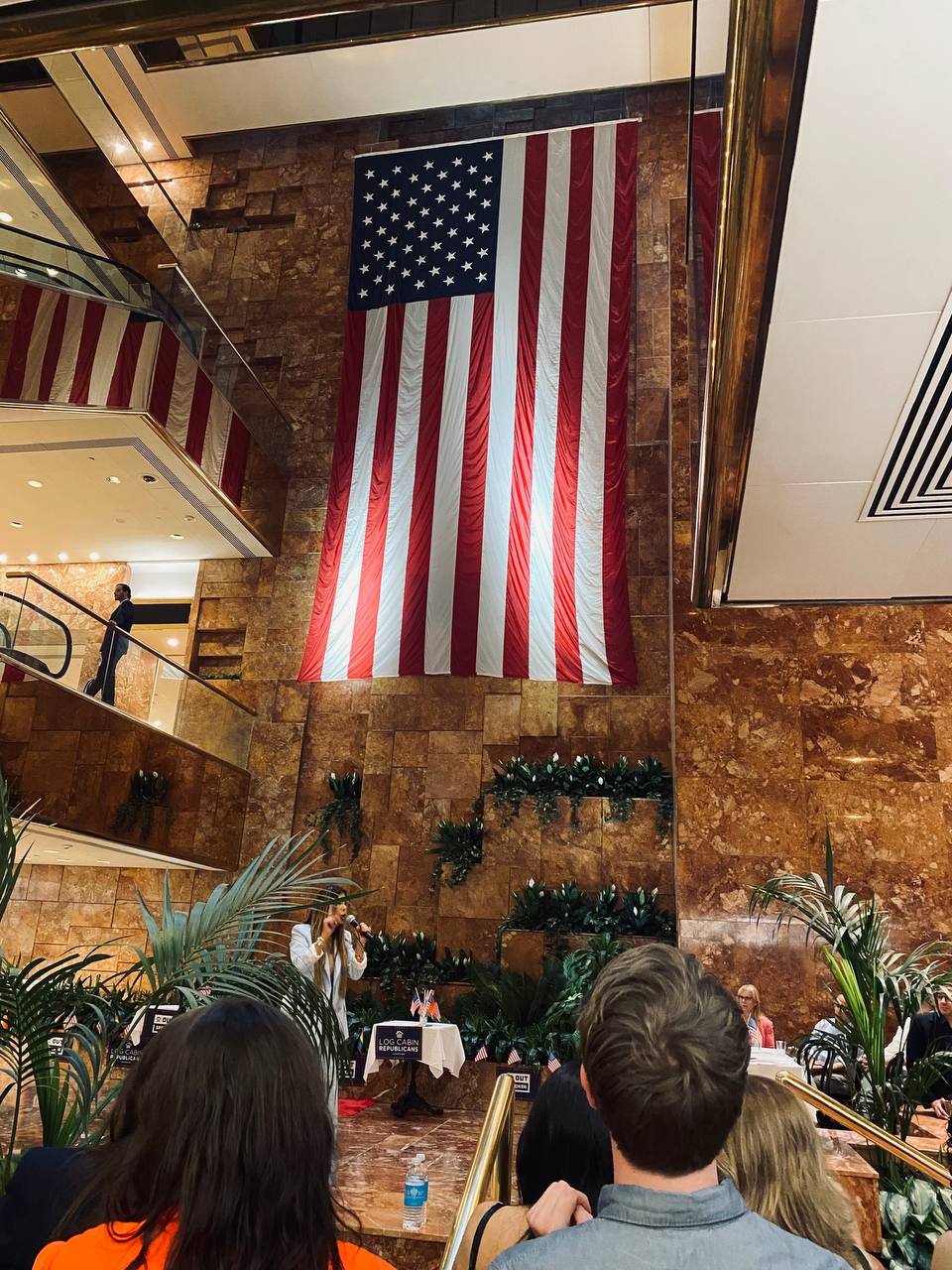
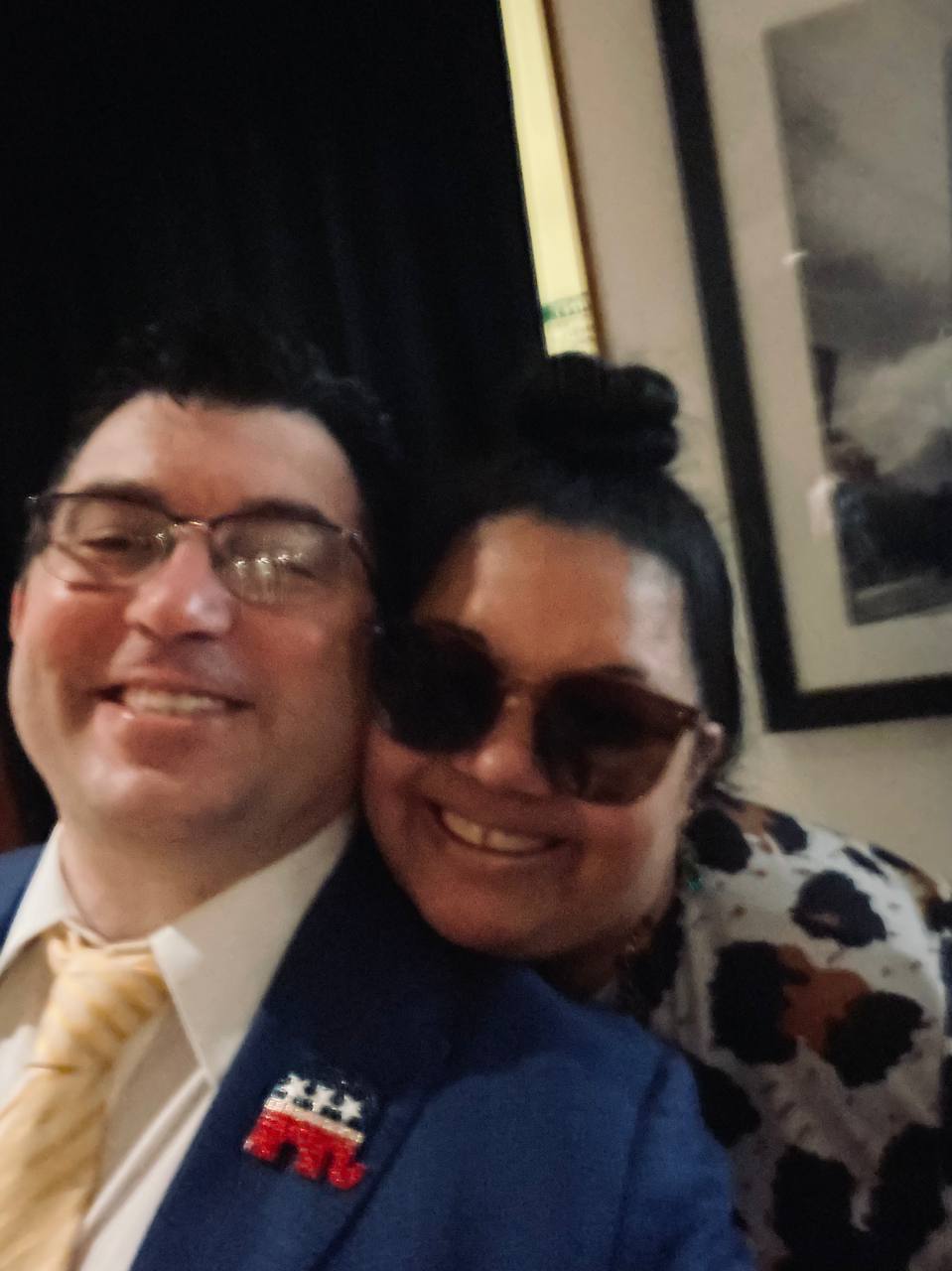
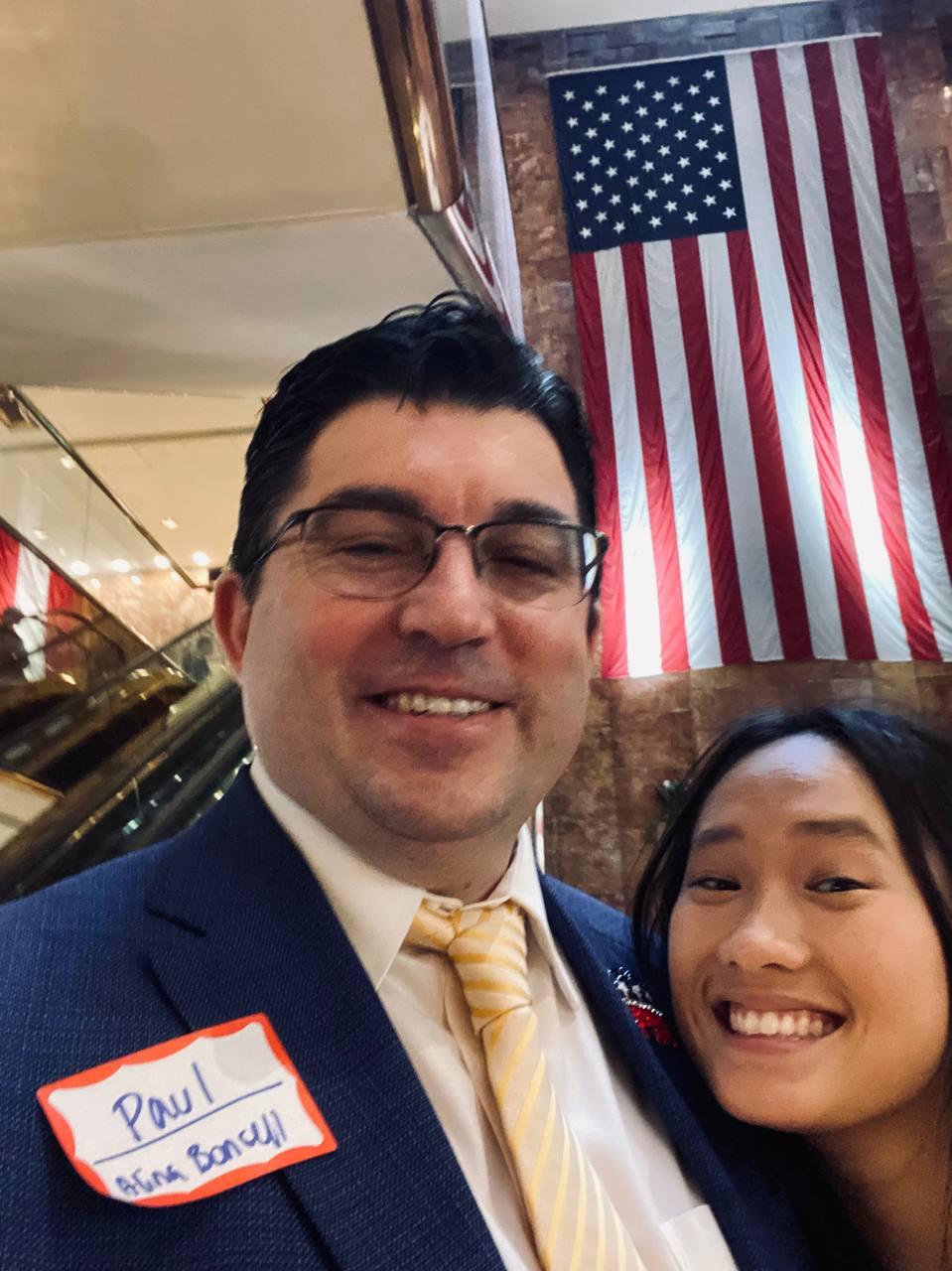
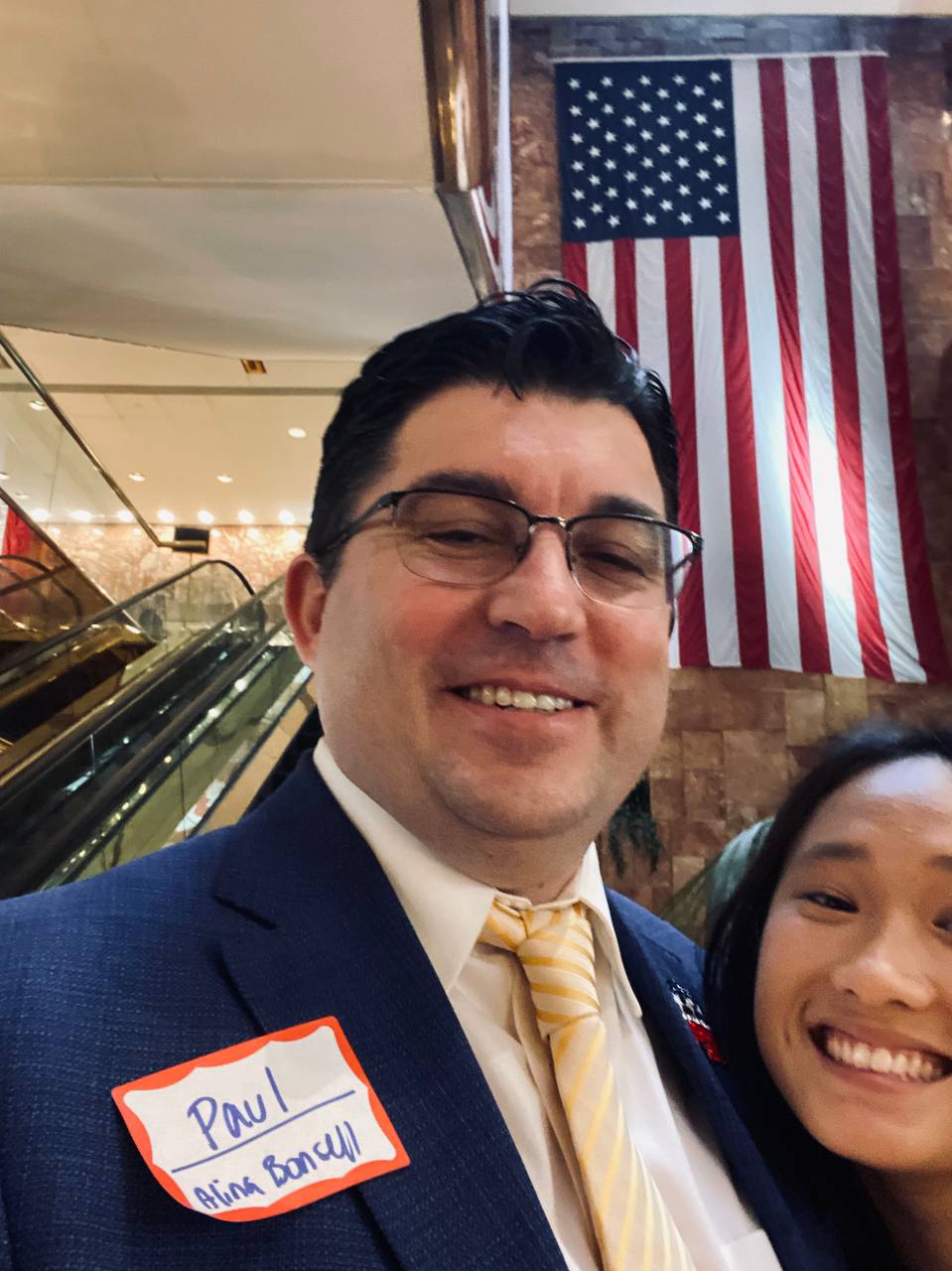
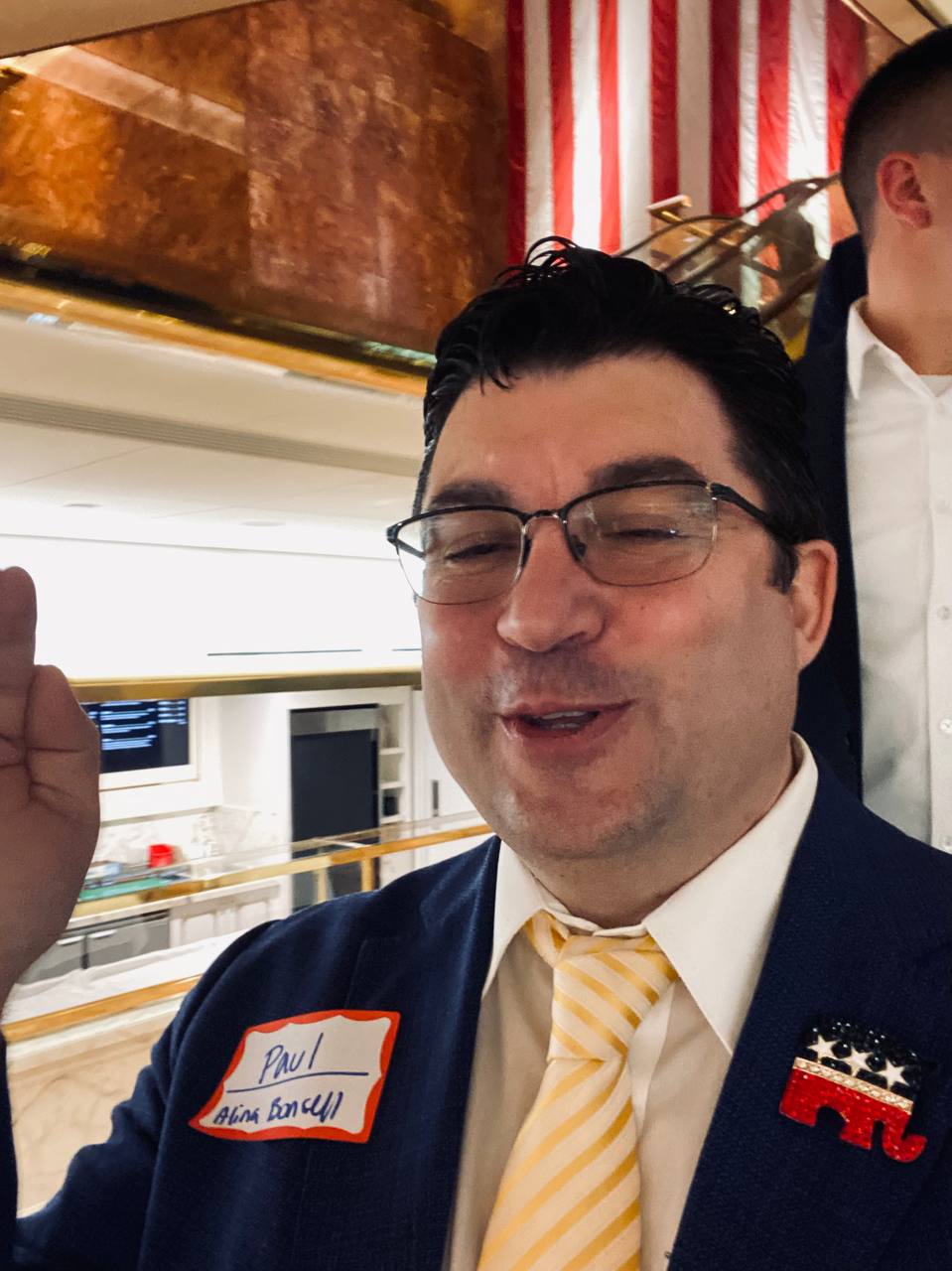
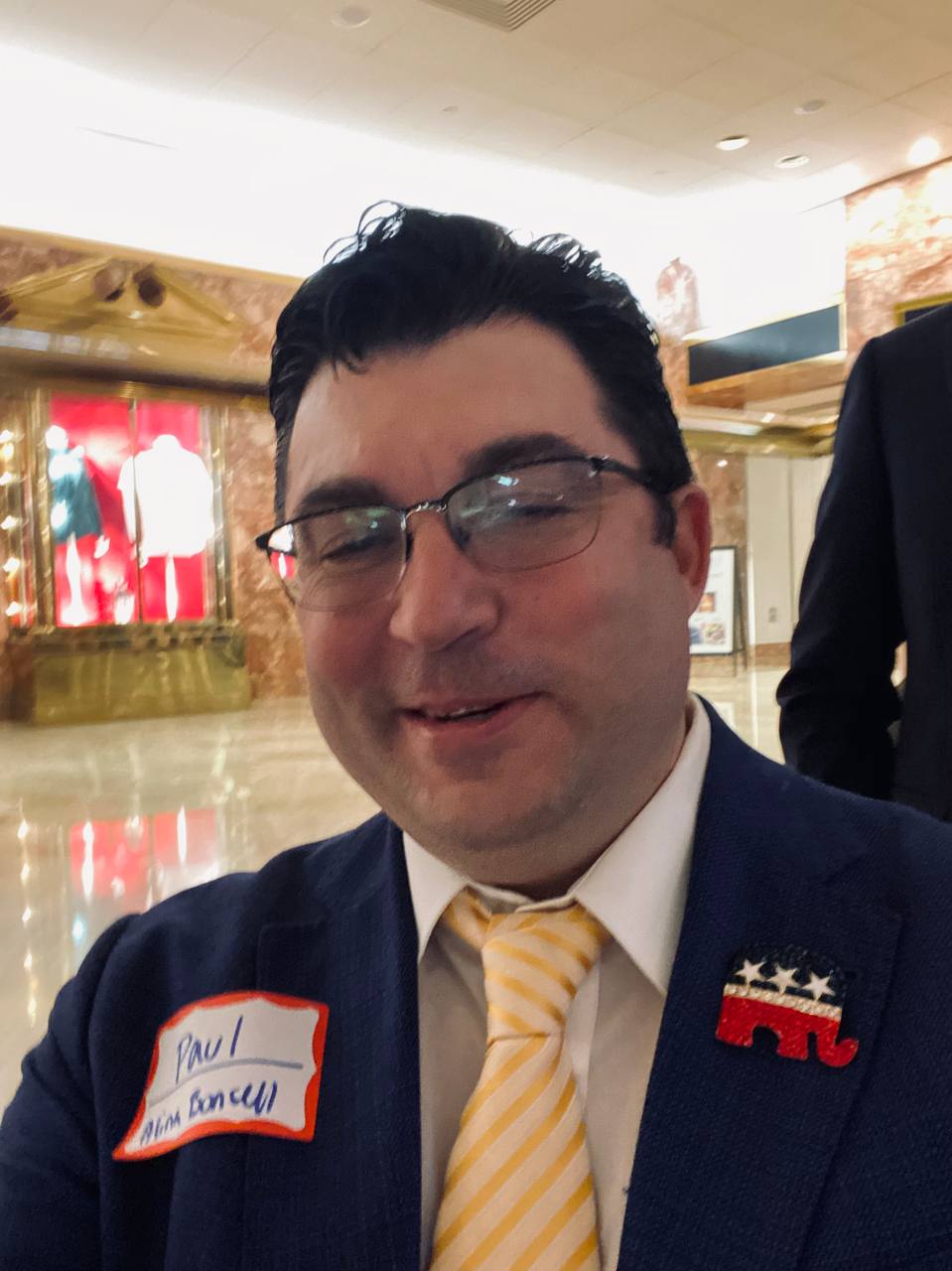
Curtis was fired up to night at trump tower. S as bd I got an opportunity to ride the golden escalator lol 😂
23:58
23:58
23:58
23:58
23:58
23:58
23:58
23:58

23:58
23:58
23:58
JW
23:59
Joyce Wu
In reply to this message
Zohran is actually pretty clever - first round he went after white votes - 2nd round is it’s gonna be Asian neighborhoods who would wouldn’t mind not getting taxed
29 June 2025
MG
00:02
Michael Gianino
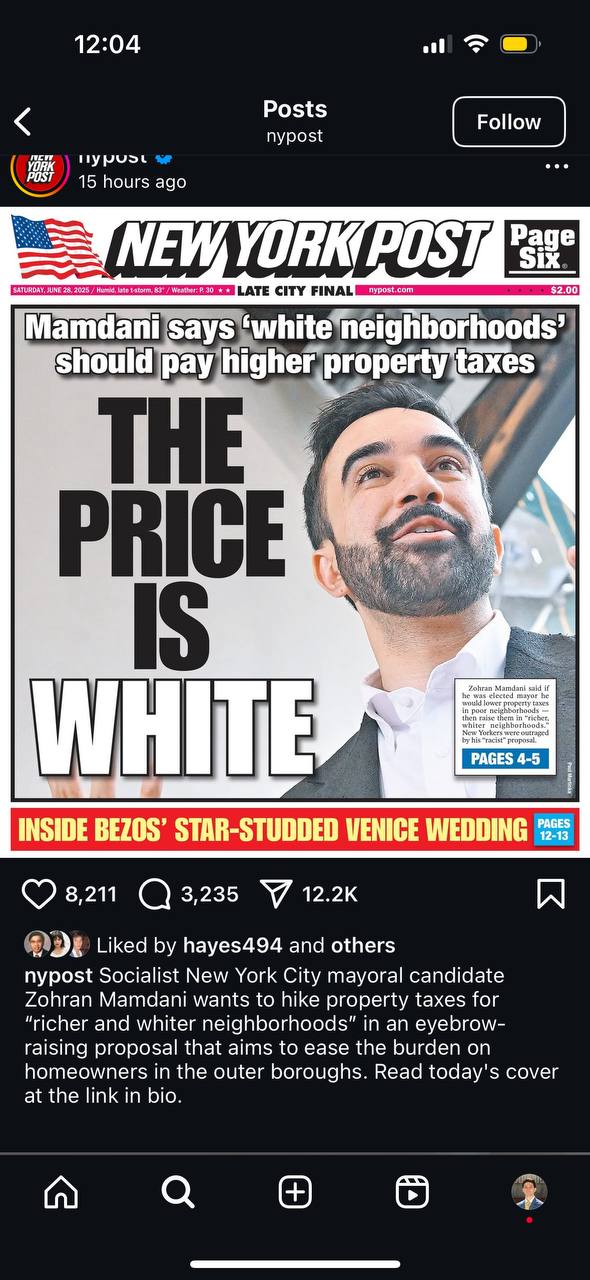
How is he getting white votes? Only white people Ik that are voting for him have purple hair and are confused about their gender let alone economics and the geopolitical landscape of nyc. Everyone else I know is absolutely outraged, as am I
JW
00:04
Pro Palestinian hippies also
S
JW
00:04
Joyce Wu
“asians”
🤣
F
MG
00:04
Michael Gianino
S
00:04
Steven
they are self hating enough to still vote for him
👍
F
MG
JW
00:06
its like the self hating jews in the uws who voted for mamdani
👍
JW
MG
00:06
Michael Gianino
I swear libs will vote for Satan before they vote for a Republican. I used to be proud to be a New Yorker
S
00:07
Steven
honestly if he is as open about this during the general we might have a chance for sliwa or one of the independents to win
00:07
but that 4th non momdani guy has to go
MG
00:08
Michael Gianino
We need everyone to get behind one candidate
S
00:08
Steven
he is going to take about 1-3 % and in a race like this its going to be so marginal that fuck has to go
00:08
we as crs have already endorsed sliwa i have to make a graphic
👍
MG
JW
00:09
Joyce Wu
In reply to this message
He’s gonna get Queens where there are large populations of brown ppl owning property
S
00:10
Steven
who the 3rd independent
00:10
not sliwa adams and cuomo there is someother d bag running
JW
00:10
Joyce Wu
Also East Asians who think this will benefit them but actually we are considered “white” lol 😂
F
S
00:12
Steven
there is only 2 potential flips this cycle my district 47 and one in queens one of the ones next to bob holdens seat
JW
00:12
They just have a lot more resources
F
00:13
Felipe J.
Mamdani is proof it can be done - mobilize a high base turnout
00:14
GOTV heavy, light on tv ads or whatever the consultants are selling these days
00:14
You pull that off in enough places, our mayoral candidate will have a much better shot
JW
00:15
Joyce Wu
Queens and southern BK
S
00:17
Steven
jim walden is the other guy he has to f off
F
00:18
Felipe J.
When I took a lunch break on primary day I saw in the subway fellas were holding open both the emergency doors for people to get on the train without paying
00:19
Only dawned on me later that was a campaign tactic to get people to the polls
👍
JW
JW
00:19
Joyce Wu
Theyre so sneaky
00:19
Lol
00:20
So with Adams - only MAGA might vote for him - Dem blacks really dont like that he’s close to Trump
F
00:20
Felipe J.
Free subway is one of his promises, making it happen like that is a lot better than sneaky
JW
00:20
Joyce Wu
Theyre not gonna vote for him
00:21
He’s running a psychops
00:21
A very effective one
F
00:22
Felipe J.
Exactly
JW
00:22
Joyce Wu
Taxing the white neighborhoods is really taxing Manhattan and Williamsburg
00:22
Which many whites dont care
00:23
White liberals who dont own property
00:25
Free MTA targets blacks
PM
00:33
Paul Mourino
JW
PM
07:57
08:02
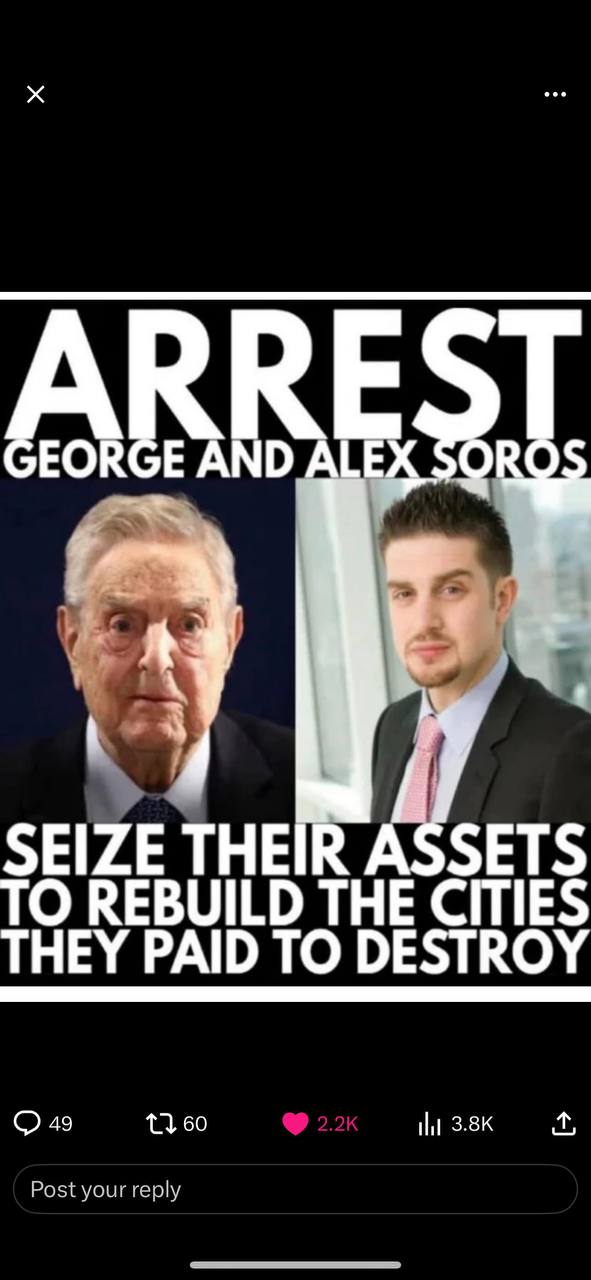
Told you guys - they are all falling for this psychops - just bc Adams signed that bill on antisemitism doesn’t mean they wont vote for Zohran - attacking him also will ensure losing this election
PM
08:39
JW
10:59
Another useful traitor idiot
S
13:42
Steven
Nothing good ever happens
🤣
F
S
13:42
Steven
D
Disclose.tv 29.06.2025 09:16:09
JUST IN - Court cancels Netanyahu's trial hearings this week.
https://www.disclose.tv/id/gdwulaucc8/
@disclosetv
https://www.disclose.tv/id/gdwulaucc8/
@disclosetv
PM
16:37
Hilarious 🤣
JW
F
22:42
Felipe J.
T
JW
JW
22:46
I love my gays but why do we need this every year?! They should have a straight parade
22:46
Straight Pride Month
22:48
We are not the Third World
JW
23:55
Joyce Wu
We are so screwed - the women’s vote is going to Zohran lol… the more I look at him, somehow the cuter he gets
😁
M
23:56
By default, Indians and Arab men are generous to their wives - it’s a known thing
23:57
They have six figure weddings easily and their parents are either doctors or CEOs of companies and if you happen to be in a club with Arabs, theyll send over bottle service
30 June 2025
NW
07:08
This is a good short video that Benny Johnson is about where AOC actually grew up
JW
07:48
Zohran was put as a candidate to get women to vote (bc they can’t run on abortion) - he’s the perfect psychops
07:50
Im not even sure if he’s Muslim tbh (it would be funny if he’s actually Hindu but we’ve been talking shit this whole time) - yes he’s “pro Palestinian” - been but all the white liberals are also
NW
07:58
Nick W
“Democracy is the theory that the common people know what they want, and deserve to get it good and hard.”
JW
08:00
Joyce Wu
In reply to this message
This is why our side needs to stay focused on policy when they attack Zohran
08:00
There are 1 million Muslims in NY - I met a group when I was on the Governor’s assignment
08:01
This whole thing is gonna blow up in ppl’s faces - Hamas thing doesn’t play out bc STILL white women are pro Palestinian
NW
JW
08:02
Joyce Wu
Unlike these white liberals that voting block is comprised of professionals- licensed in NY lol
08:03
Its just annoying that im looking at the psychops at play and all I see are people bidding for AIPAC power but they mostly donate to pro war ppl bc of aid
NW
08:05
Nick W
I keep fluctuating between feeling like NYC is cooked and the people of New York City are not as dumb as the people of LA and will come to our senses and not vote in a commie
JW
08:06
Joyce Wu
In reply to this message
The messaging isnt there - buses are already free lol - how about making Congestion pricing free?!
08:06
With a transfer the bus is free and with low income and seniors it’s 50% off
08:06
Are you gonna ask the MTA to lower their fares?!
NW
08:07
Nick W
Maybe I’m not the right demo - but I think the best angle is painting him as a champagne socialist who hasn’t held a real job for more than a few months before becoming an assemblyman and according to the New York Post barely showed up to 50% of his votes - which apparently or ironically, the things that he says he wants to getsed
M
08:07
Mohammad
In reply to this message
If you look at hiw incompetent the mta is, yes fares should be lowered
🤣
NW
08:07
Privatize thr subways
JW
08:07
Joyce Wu
In reply to this message
Did you hear any candidate say this? This is precisely my point
NW
08:07
Nick W
We need a Doge Audit of NYC and the MTA
👍
PM
F
JW
JW
M
08:08
Mohammad
In reply to this message
The mayoral election is a joke of an election, every1 bad lol
NW
JW
08:09
Joyce Wu
In reply to this message
Yea if one of the candidates said this - tied to Trump but one of them should say this lol 😂
08:09
But they wont bc of the MTA unions
08:09
There’s also a way to say it
M
08:09
Mohammad
Yo I be seeing ads for 10,000 dollar program from daca and other illegals getting home mortgages, any1 know about that?
JW
08:09
Joyce Wu
Ughhh- do I care enough to draft messaging?! Lol 😂
08:10
But who do I want to win? Am not sure
M
08:10
Mohammad
Drafts messaging for who?
08:10
The whole circus about how to make sure z doesn't win only makes him look stronger compared to his older and more experienced rivals
JW
08:11
Joyce Wu
Candidate Sliwa or Adams
08:11
Seriously - this year they didnt talk about abortion
08:12
They always talk about it for every race
08:12
Even when it’s not even relevant
08:12
Muslims generally dont like trans or LGBTQ “bc of religion”
08:13
No one has dared attack him on that lol
08:13
But you can bc trans - likely will never vote for Adams or Sliwa
08:14
Black ppl in general do not like trannies
08:21
Not necessarily bad but hes the one that wont fire the Parliamentarian- remember for “medicaid for migrants”
08:21
Think about the reason why
08:23
Jeffries says it all lol 😂
NW
08:24
Nick W
Do you think they’d move away from if a sexual assault accusation came out?
JW
08:25
Epstein files or something - Lindsay Graham is gay
08:25
Need hard evidence though (that they destroyed)
NW
08:25
Lol
JW
08:26
Joyce Wu
They’d never let it out though - it’s continuous blackmail
08:26
Look how much Trump panicked with Stormy Daniels
08:26
Like who cares if you had an affair
08:27
On the Dem side - more money laundering than anything
NW
08:27
Nick W
I don’t know if they care about Zohran look at Biden
JW
08:27
Joyce Wu
🧐
M
08:28
Mohammad
In reply to this message
Blacks have the highest rates of LGBTQ, thanks to in part to Obamacare
JW
M
08:29
Yo know why they call him ladybug?
JW
08:29
Joyce Wu
No lol
M
08:30
Mohammad
Because a gay prostitute alleged that he had sex woth Lindsay and that he has spots all over hit bottom and he said those are just my ladybugs
08:30
Here's more...
JW
08:31
Joyce Wu
🤮
M
JW
08:34
Joyce Wu
🤮
08:34
Knew he was gross from the beginning
NW
08:34
Nick W
In reply to this message
I was saying that I think the left really has no standards and just like the accusations against Biden if they were accusations against Zohran they’ll commies would ignore it.
The only question is whether the Democratic establishment wants to throw its weight behind this guy or they are quietly hoping he fails so they can keep control of the party
The only question is whether the Democratic establishment wants to throw its weight behind this guy or they are quietly hoping he fails so they can keep control of the party
JW
08:35
Joyce Wu
The Mossad probably has shit load of stuff on his gay escapades considering that he likes that shit
👍
M
M
JW
08:36
That is a good take lol but Schumer already supports him so I dunno
M
08:37
Mohammad
In reply to this message
Probabilistically speaking, Zohran probably has less if any skeletons in the closet, given his age, especially compared to Cuomo, Adams
👍
JW
08:37
In reply to this message
Some 80 year old boomers in SC probably don't know and wouldn't vote for him if they knew
❤
F
08:38
Lol who's down to crowdfund a Lindsay Graham pride float?
NW
M
08:39
Mohammad
In reply to this message
Yeah but those hits on him and his old cringe shit makes zohran seem quirky and likeable
JW
M
08:39
Mohammad
For every 1 person put off by that, 5 ppl will be put on
08:39
Attacking it makes you look like a hater
👍
JW
08:40
Like look good chance z wins, let's not come out with attacks that'll hurt Republicans throughout America now that this race has garnered national attention
NW
08:41
Nick W
I was joking about being a rapper having more likelihood of having something in his past. I wasn’t saying I thought he actually had it. I was more looking at it as a thought experiment - thinking of what it would take for him to lose followers - not necessarily realistic
M
08:41
Makes voters like him
NW
JW
08:41
Joyce Wu
Every woman including myself can claim theyve been “sexually assaulted” in NY bc all the finance bros are super aggressive if they are on some sort of title level
M
08:42
But thr quiet 1z I'm the group have a 18 bedroom crib in the hamptons
NW
08:42
Nick W
In reply to this message
A group convicted of sending millions to Hamas. He gives him a shout out and one of his rap songs and literally says to look them up
JW
08:43
Joyce Wu
In reply to this message
Depends which ones but yea everyone has VP title without the salary
M
08:43
Mohammad
Is hamas 5 the name of a song?
08:43
In reply to this message
Lol they like to flex om clubs to tourists like Yeah I'm the VP at jp morgan or something
NW
08:43
Nick W
In reply to this message
This is an article I found just now but it’s been circling the internet
M
08:43
Mohammad
In reply to this message
Ppl outaide ny think wow this dudes thr vice president of a bank
08:44
In reply to this message
When I menat wholesome I meant like he doesn't rape about drugs, sex, violence, etc.
JW
08:45
Joyce Wu
In reply to this message
O yea heard about this briefly - the psychops is that every white lib is protesting for “Free Palestine” and not concerned about that bc they feel Israel has continually tried to kick ppl out when in actuality Israel is comprised of Jews, Christians, and Palestinians from long time ago - most ppl dont like Netanyahu
👍
NW
NW
08:46
Nick W
I really don’t care that he rapped I was making a joke about rappers having issues with sexual shenanigans. I do think if we were republican they’d make it into a ground breaking negative.
The issue that I do think it’s tied to is that it seems like this guy hasn’t held a real job for more than a few months and almost all his jobs are connected to work i politics.
The issue that I do think it’s tied to is that it seems like this guy hasn’t held a real job for more than a few months and almost all his jobs are connected to work i politics.
JW
08:46
Joyce Wu
Not saying it’s the right thinking but all these protests kinda say a lot about how they vote
08:47
In reply to this message
Lol there’s some Republican candidates like this but liberals dont care
NW
JW
08:47
Joyce Wu
I think we need to attack him continuously on policies that make it WORSE for New Yorkers
NW
08:48
Nick W
The guy is right around my age and has literally done nothing but win a popularity contest. He’s basically a trust fund kid.
08:48
To be fair, that is kind of a perfect representation of the Democratic Party in New York. Someone who hasn’t really held a real job and lives off other people’s money.
🤣
F
JW
JW
08:48
Joyce Wu
Indeed
M
08:48
Mohammad
In reply to this message
Yeah exactly, after seeing his raps I don't think you have to worry about him pulling the hos back then
🤣
F
NW
JW
NW
M
NW
M
08:50
Mohammad
What ever happened to George Santos? How's he not in jail?
JW
08:52
George Santos was sentenced to 87 months in prison on April 25, 2025, for wire fraud and aggravated identity theft. He must surrender to federal custody by July 25, 2025, to begin serving his sentence.
M
08:52
Mohammad
I see him posting memes
08:52
Oh ok
JW
08:52
Joyce Wu
87 months isn’t too long
08:53
If it were Adams, it would be much longer
M
08:54
Mohammad
George did a lotta schmoozing for a certain group on his way out
08:54
That probably brought with it some leniency
🤣
JW
PM
10:48
Paul Mourino
Big beautiful bill 💸 being debated for final passage.
Barnes gives a clear break down of the key components let’s see if these features survive the reconciliation progress
Barnes gives a clear break down of the key components let’s see if these features survive the reconciliation progress
JW
10:51
Joyce Wu
In reply to this message
He should’ve stole from the Dems instead - would’ve been less noticeable
11:06
https://www.reuters.com/world/middle-east/israel-steps-up-gaza-bombardment-ahead-white-house-talks-ceasefire-2025-06-30/ Israel strikes pound Gaza, killing 60, ahead of US talks on ceasefire | Reuters
11:06
Zohran is a white boy
M
11:32
I know a dude that stole 2 billion and fled in Bangladesh
11:33
Better than money for onlyfans
F
F
13:01
Felipe J.
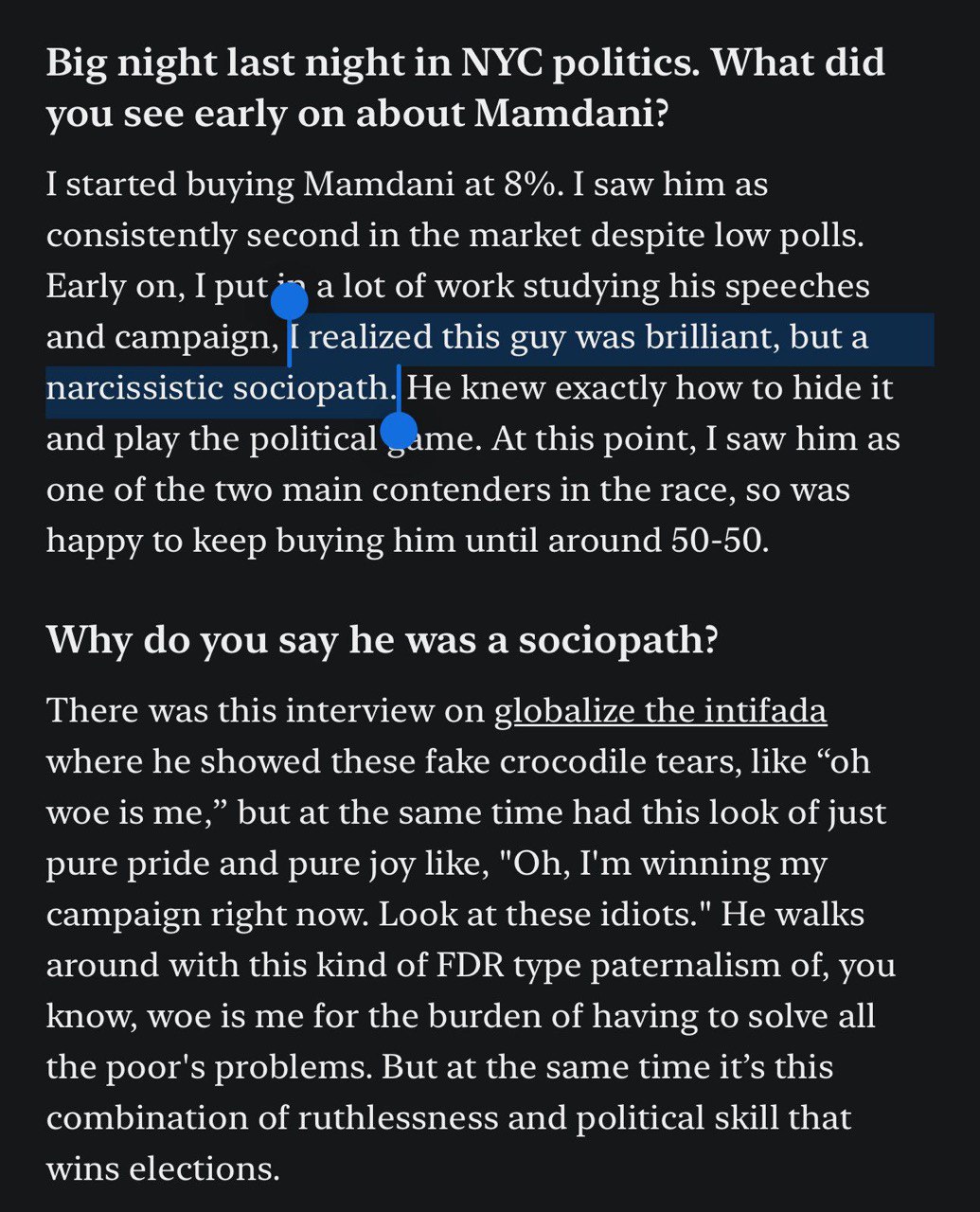
NW
PM
NW
F
F
14:07
Felipe J.
In reply to this message
I got it from another group but if you Google some of the sentences it should be easy to find
👍
NW
PM
14:53
Paul Mourino
Congrats Alina is prime time today on news max
JW
15:27
@fcuello it doesn’t help that he’s got a whole psychops going on and our MAGA friends - we like them but theyre not intelligent to see it
15:28
The guy eats a burrito with a knife and fork - the whole eating like a third world is for the MAGA attacks and ppl like Loomer show their true colors attacking like an useful idiot which gains more votes from moderates
❤
F
15:29
When is our side gonna learn that any identity politics is a turn off for voters
15:33
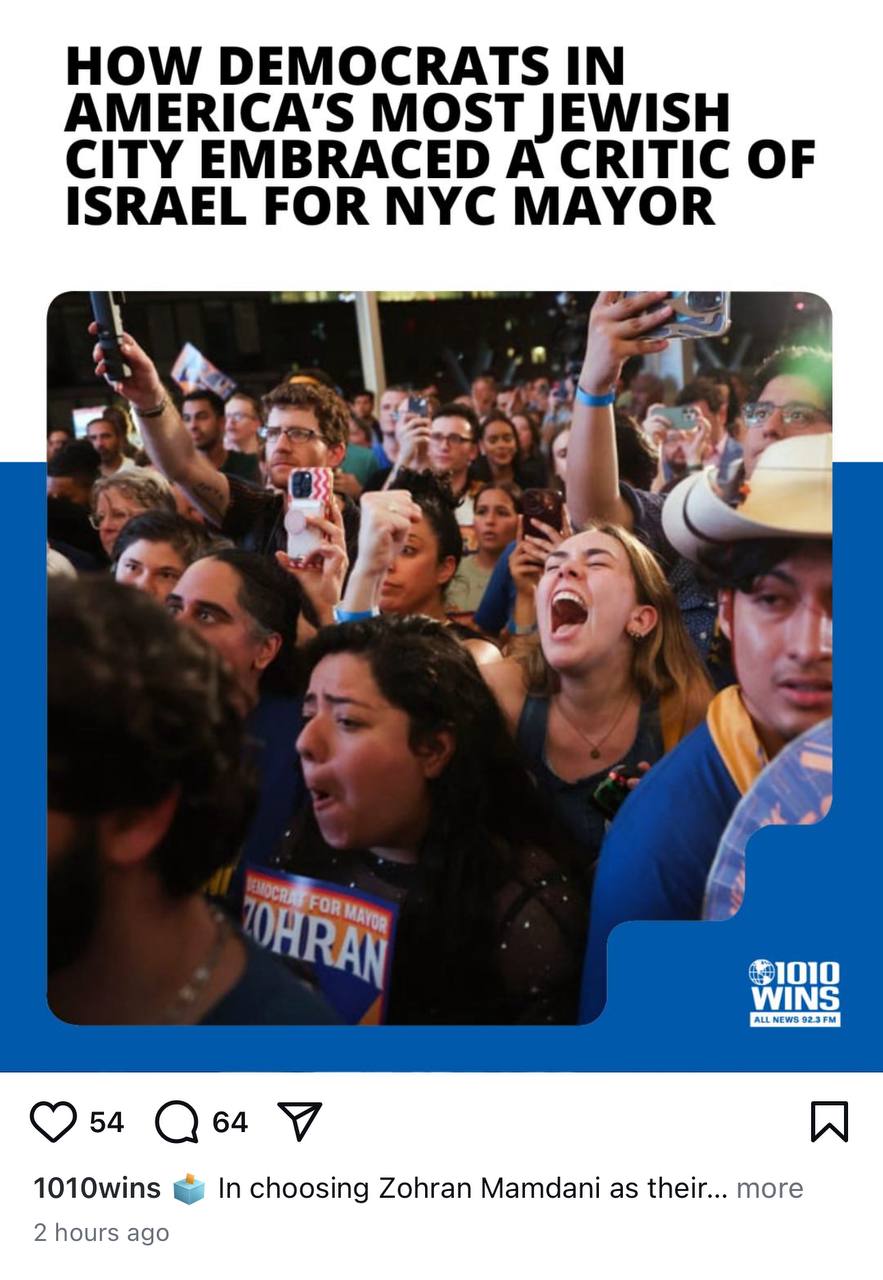
15:33
Literally been saying this
15:34
Get this - AIPAC gives more money to Dems! Imagine that!
🤣
T
F
NW
15:35
Nick W
In reply to this message
Well sadly this isn’t accurate. I wouldn’t want us to embrace identity politics and it wouldn’t work for use but the left thrives on identity politics. That’s a big part of how we have Zohran in the first place. Heck they guy literally used race saying he wanted to race richer and whiter neighborhoods
JW
15:36
😂
15:37
And he is but they say it like it’s a bad thing when Muslims voted for Trump
❤
F
15:37
The Dems are way ahead on outreach
15:38
This war is also very annoying- it’s a big problem bc no one likes war esp NOT MAGA and Dem Jews
NW
15:38
Nick W
I don’t agree with our side doing it - we shouldn’t. I’m just saying the claim that identity politics doesn’t work isn’t true. Identity politics politics doesn’t work for the right. It seems to work great for the left
JW
15:39
Also ppl are confusing Netanyahu with the country and its ppl
15:39
This is where the psychops is at play
NW
15:40
Nick W
In reply to this message
I also agree here it looks very performative and not genuine. I do think it’s bait for the Laura Loomers of our movement. She is one of my least favorite people and gives credence to the very small minority of the right that are very identity driven and dabble in racism
👍
JW
JW
NW
15:41
Nick W
Hopefully the dumbasses on our side don’t stick their heads in the mouse trap
JW
15:41
Joyce Wu
They already have
15:42
Now I know who the crazies are in our party and DAF
15:42
Low IQ
15:42
Like Gaetz - he gets it
15:42
Then our ppl attacked him
15:43
This whole time they were plotting to put this guy in from probably more than a year ago
NW
15:45
Nick W
I’ve been saying this to some of my other friends for a bit now. The right is becoming the left attitude wise.
- some people are dabbling in racism and identity politics
- someone like Vivek says something that we disagree with and then people accuse him of being a fraud and “kick him out” - not to mention the racism from people like Loomer.
- Trump does something we don’t like the sky is falling it’s WW3 and he’s a neocon puppet if Israel who betrayed us.
It’s exhausting and a bad path
🔥
- some people are dabbling in racism and identity politics
- someone like Vivek says something that we disagree with and then people accuse him of being a fraud and “kick him out” - not to mention the racism from people like Loomer.
- Trump does something we don’t like the sky is falling it’s WW3 and he’s a neocon puppet if Israel who betrayed us.
It’s exhausting and a bad path
JW
JW
F
JW
15:47
Joyce Wu
I just think a lot of ppl are auditioning for AIPAC lol 😂
NW
15:47
Nick W
That being said, it’s also reasonable with Zohran to have concerns about his pro-Islamist leaning especially after seeing the way Europe or Minnesota have gone
JW
15:48
Joyce Wu
Indeed
NW
15:50
Nick W
I’m still hopefully that it’s a little too early for a man open Commie to win mayor of NYC
PM
JW
16:00
He said we should not have regime change and that’s what Netanyahu wants
16:01
Gaetz got attacked bc he was not for the war
PM
16:01
Paul Mourino
In reply to this message
We have to train to understand sophistry and how to out flank it
There’s several ways to approach it. Lawyerly excercise in rehortic but u have to be able to recognize the phenom first so let’s start training at Plato’s republic
❤
There’s several ways to approach it. Lawyerly excercise in rehortic but u have to be able to recognize the phenom first so let’s start training at Plato’s republic
NW
F
JW
16:01
Joyce Wu
Netanyahu is the problem
PM
JW
16:02
Joyce Wu
🥾
16:02
Id trade him for Santos
PM
16:02
Paul Mourino
But more like an opportunist lil brother then a full on enemy maybe 🤔 a fren-enemy
16:04
How much coin does zohran have behind him
JW
16:05
The rank choice was all a scheme
16:05
To raise multiple channels of money but they all came from the same sources
16:05
Across all candidates
16:06
So you got a lot of TAXPAYER funded dollars
❤
F
16:06
From matching funds
16:06
Rather than 1 candidate
F
16:10
Felipe J.
So That’s why the NYGOP only ran one guy 💀
16:11
Never miss an opportunity to miss an opportunity
PM
16:22
Alina’s hot today
PM
18:24
Paul Mourino
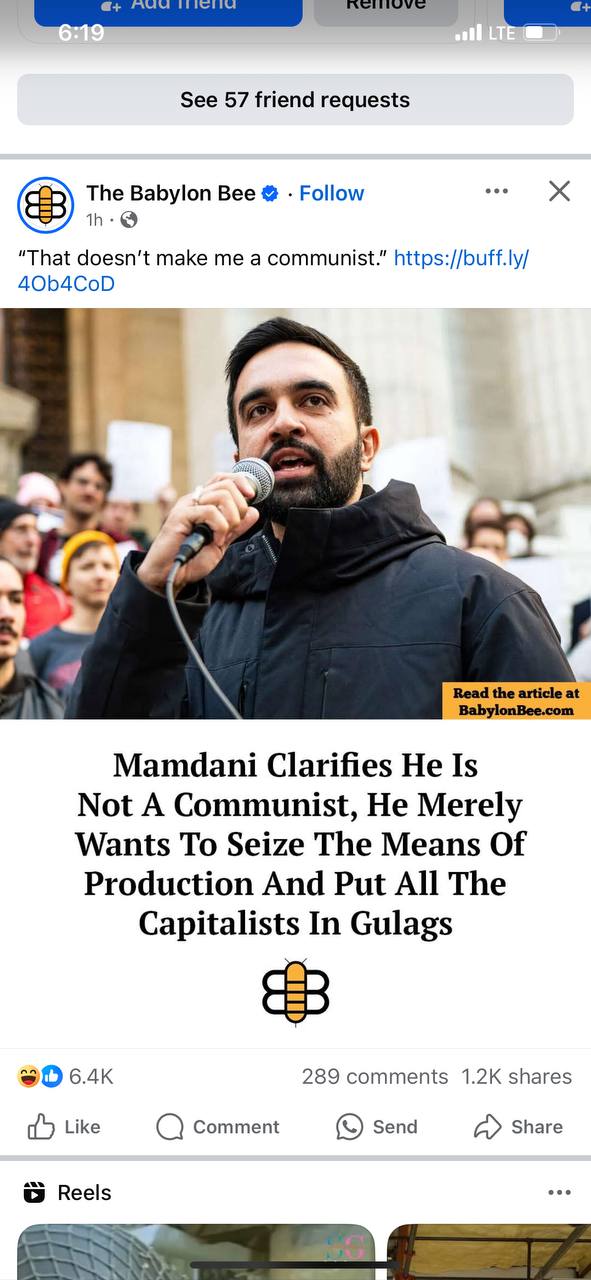
18:24
PM
19:20
Paul Mourino

NW
19:20
Trump tzu
Art of the deal 😂
Art of the deal 😂
19:21
Elon’s at it again bc of the Green New Deal
19:21
19:22
Dude no one wants EV
PM
19:22
Paul Mourino
Oh my. Bad Elon bad
19:22
Gotta put that guy in time out focus on mars bruh 😎
JW
19:22
Joyce Wu
He should relocate
19:23
Afterall, he’s really an immigrant
NW
19:23
Nick W
Oh boy, I’m gonna wait and see what actually happens.
JW
19:24
Joyce Wu
Yea he’s gonna say “Woops my bad it was due to my autism”
🤣
F
PM
19:38
Paul Mourino
Attention span of a squirrel 🐿️ 😆
JW
20:09
Seriously Elon shouldnt have slept with Ashley, a wannabe Mossad agent
PM
20:49
Paul Mourino
Let play soccer no let’s box no let’s do both lol
https://www.instagram.com/reel/DLbzxSxt_er/?igsh=MWxwNWdnMzU0a2w0ag==
https://www.instagram.com/reel/DLbzxSxt_er/?igsh=MWxwNWdnMzU0a2w0ag==
1 July 2025
PM
PM
PM
06:21
Paul Mourino
G
General Mike Flynn 30.06.2025 17:53:46
The American people need to get real and serious about the direction our nation is heading. If the mayoral race is anything, it’s a wake up call for EVERY AMERICAN that we are experiencing a Marxist revolution and we need to clearly define it, understand who is at the helm, and then work in our own local communities to defeat it. The rule of law, as defined by our constitution, affords every citizen rights to be safe and secure in their lives. This guy gets elected as mayor of NYC, it’ll be anarchy run by a socialist tyrant who thinks white people are bad and police are not necessary.
@GeneralFlynn
@GeneralFlynn
M
09:07
?
09:12
09:12
I wish I did math Olympics now
JW
M
11:31
Mohammad
Lol
11:31
Netanyahu would annex Toronto and make it a part of new york
F
11:51
Felipe J.
That’s happening anyway we don’t need Bibi for that
11:52
He should get to work on Cuba lmao
👍
JW
JW
12:06
Joyce Wu
Alligator Alcatraz
❤
F
PM
12:12
Paul Mourino
BBB passes senate w Vance
12:24
12:24
Someone remind garbarino not to fall asleep this time lol 😆
🤣
NW
F
JW
12:26
I’m wondering what Elons real beef is? Is he pissed that Tesla is getting shafted on subsidies or something
JW
PM
12:44
Paul Mourino
I know I know. I love the space x work he s doing and done of the other tech stuff but there’s more here then Mets the eye
F
14:52
None of the lockdown cunts have faced justice and they should
👍
JW
JW
15:18
We need to change our messaging to beat this guy
PM
15:24
This is nuts 🥜
15:24
Exactly trump n musk r bro feuding while none of these assholes are being indighted nor prosecuted
F
15:31
Felipe J.
In reply to this message
Ban foreign ownership of nyc housing units and watch how everyone can afford to be a homeowner all of a sudden
💯
T
NW
15:31
No more rooskie and Saudi oligarchs buying everything
🔥
T
NW
M
M
16:13
Mohammad
In reply to this message
Or better yet change policies to counter him more effectively, but we know that's not gonna happen.
16:18
Imagine buying a rent stabilized portfolio like Floyd Mayweather right before zohran
NW
17:03
In reply to this message
I 100% agree with this there is an absurd amount of housing in NYC and other major cities like London that are owned by foreign oligarchs and foreign ultra wealthy that sit empty most of the time
PM
17:21
Paul Mourino
In reply to this message
lol please rephrase are we strong enough to reject communism
Sadly the reality is no
Sadly the reality is no
PM
17:45
Paul Mourino
Jesus whept elon is opening a can of hurt now going after Bannon
17:45
17:46
This is bad news 🗞️ for all of us
F
18:33
Felipe J.
Higher odds of Elon getting deported
❤
PM
M
18:49
In reply to this message
Forget residential, new york commercial real estate, especially in Manhattan is dependent upon 3rd world black money to survive
❤
F
NW
F
19:22
Felipe J.
Yeah there’s hundreds of buildings that should have become apartments basically as soon as the pandemic hit
2 July 2025
PM
07:04
Paul Mourino
F
PM
08:51
Paul Mourino
F
PM
09:25
Paul Mourino
lol 😆
PM joined group by link from Group
PM
09:56
Paul Mourino
Welcome to the parlor pm
👍
P
JW
10:00
Joyce Wu
In reply to this message
Not gonna work:
1) Adams - the dems wanted him out bc he was corrupt to the core and not a team player- if you gonna steal, better donate to the machine - we dont want sloppy seconds - Dems want him completely out so hes not getting any votes not even black - they dont like him
2) liberal jews - voting for Zohran bc they dont like Netanyahu’s war - same with all the college students
3) Zohran’s dad is Columbia professor- everyone should connect the dots
1) Adams - the dems wanted him out bc he was corrupt to the core and not a team player- if you gonna steal, better donate to the machine - we dont want sloppy seconds - Dems want him completely out so hes not getting any votes not even black - they dont like him
2) liberal jews - voting for Zohran bc they dont like Netanyahu’s war - same with all the college students
3) Zohran’s dad is Columbia professor- everyone should connect the dots
10:02
Also as a member of the Asian Commission - the Dems wanted this vote - particularly Asians who are Muslim - bc there are over 1 million of them and they’re not what we are saying - they are professionals with licenses - medical doctors, accountants, business owners
NW
JW
10:03
Joyce Wu
These ppl will not be deported lol 😂
10:08
Heres the psychops- you can’t get rid of American born Communists
👍
P
NW
10:16
Nick W
F
10:36
Felipe J.
In reply to this message
Dems tried to purge Eric and are still trying because he defected from the party line on infinite illegals
10:36
Within hours of him saying nyc was spending too much on housing illegals the feds indicted him
👍
P
10:37
The same people who will tell you flying first class to turkey one time will defend hunter biden selling paintings for millions
PM
11:37
Paul Mourino
House debating the BBB right now let’s go 😎
11:37
My vote 🗳️ yes to pass the BBB
JW
11:41
Joyce Wu
In reply to this message
I can’t vote for Adams bc George Santos is sitting in jail for 8 years.
11:41
Adams should be getting more years
11:44
Knew it! After he slept with Ashley wannabe Mossad Agent - was definitely gonna betray Trump
PM
11:59
Paul Mourino
lol these Dems yall getting cut no unanimous consent lol 😆
12:00
It’s whack a mole democrat on the BBB debate
P
12:01
PM
In reply to this message
If he does, I don't mind. In his old interviews he flirted a lot on libertarian stuff and the last thing the LP needs this guy to change the party. Especially now that he seems behind Massie
PM
12:03
Paul Mourino
The Dems in congress r loosing minds over bbb
PM

13:26
Team Alina hitting the streets in district 5 w upgraded kicks
PM
14:02
Paul Mourino
Founding father james swan led by example imagine if today’s billionaires acted like him …
https://www.instagram.com/reel/DLlR2pHMy6B/?igsh=MWtrYzFrY3EyaGJiNg==
https://www.instagram.com/reel/DLlR2pHMy6B/?igsh=MWtrYzFrY3EyaGJiNg==
14:10
House leadership headed to White House to review bbb
14:10
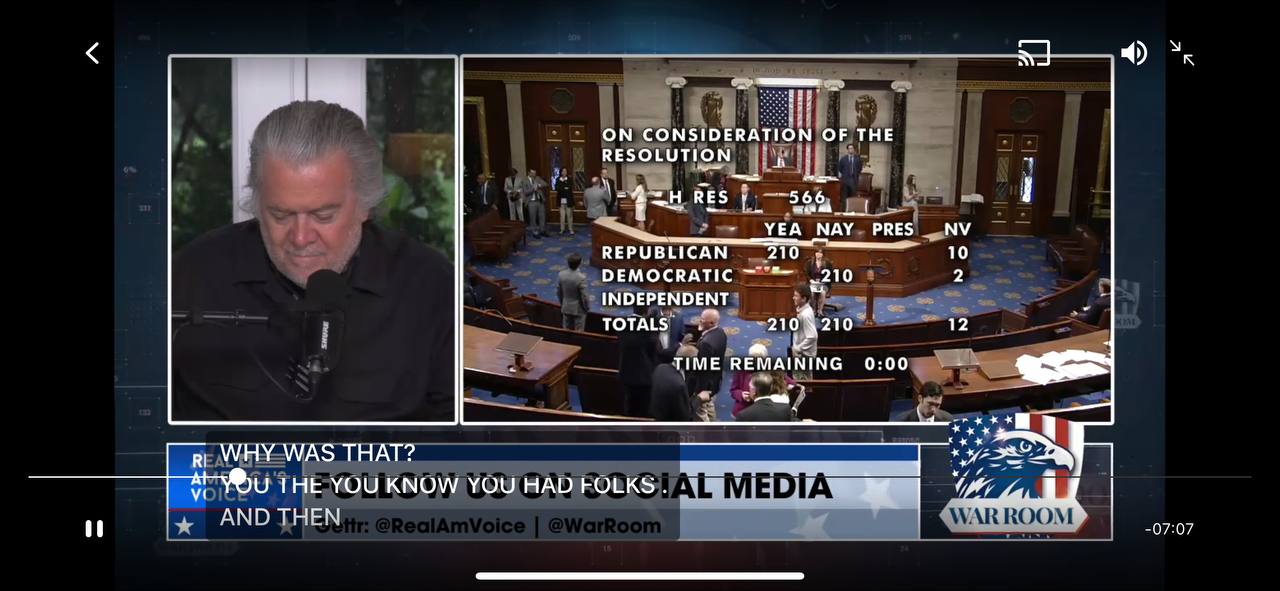
PM
17:23
Paul Mourino
BBB back in house floor for rules vite , debate n finale vote to pass
F
17:24
Felipe J.
T
Tom Fitton 02.07.2025 17:23:11
PM
20:27
Happy Independence Day
P
20:41
PM
Happy independence day.
MG
20:41
Michael Gianino
I usually say happy birthday America
S
20:43
Steven
i usually say fuck britain
⚡T
21:18
⚡️Luc Trudel
Fight for Independence Again
FFIA
FFIA
PM
21:29
Paul Mourino
In other local news team Alina qualified today for matching fund s
21:30
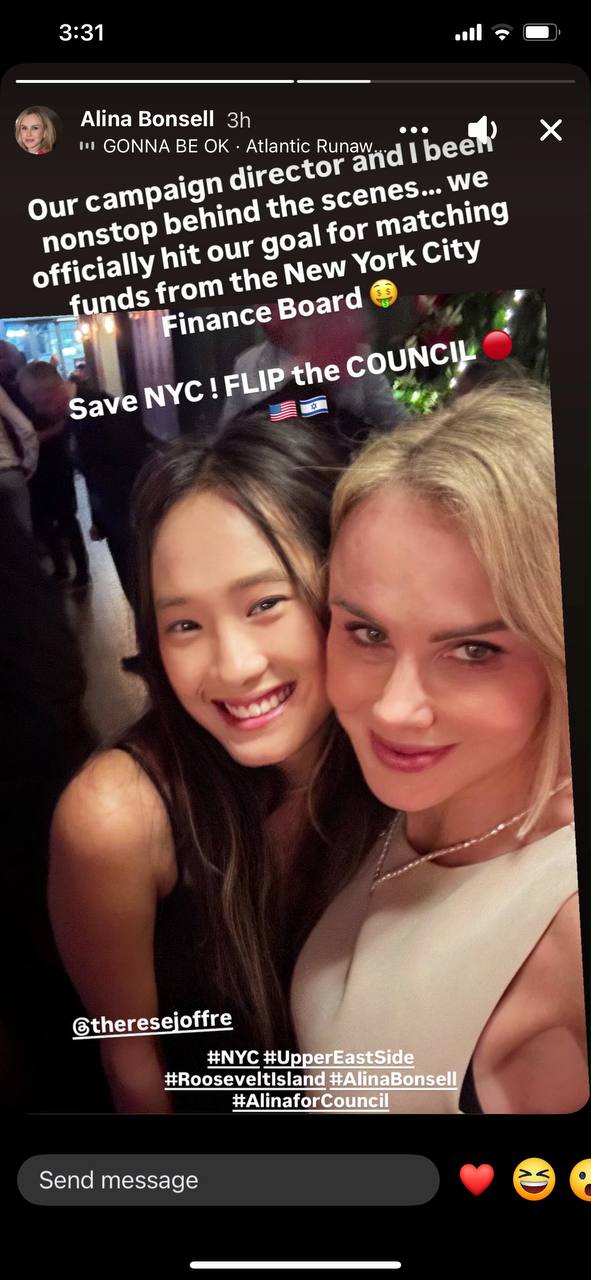
P
F
JW
JW
F
JW
22:39
This idiot - Ive completely lost respect for him
❤
P
F
JW
22:56
We voted no wars and we get more wars than ever before
👍
P
22:56
THIS will be the real reason why Zohran will win
22:56
Even though it’s not even our problem
23:01
In the United States, the draft is not currently active, but federal law allows for conscientious objector status, which can exempt individuals from military service based on religious, moral, or ethical beliefs that oppose participation in war. Here’s a concise overview:
Conscientious Objector Status: You can apply for conscientious objector (CO) status if drafted, which requires demonstrating a sincere opposition to war in any form due to religious, moral, or ethical beliefs. This is not limited to traditional religious beliefs; the Supreme Court (e.g., United States v. Seeger, 1965, and Welsh v. United States, 1970) has expanded eligibility to include deeply held moral or ethical beliefs, even without a belief in a Supreme Being.
Process: If a draft is reinstated, you would register with the Selective Service System (males aged 18–25 are required to register). Upon being called for service, you can file a claim for CO status, typically by submitting a written statement and appearing before a local board to explain your beliefs. Supporting documentation or witnesses may be required. The board decides whether to grant CO status based on the evidence.
Types of Exemptions:
Full Exemption (1-O): Conscientious objectors opposed to all military service may be assigned to civilian alternative service, such as medical or public service work.
Noncombatant Service (1-A-O): Those who object to killing but are willing to serve in noncombat roles (e.g., medics) may be assigned to noncombatant military duties.
Clergy Exemption: Ordained ministers or seminarians are exempt from military training and service under the Selective Service Act, but not from registration. This exemption is automatic for those whose “customary vocation” is preaching and teaching their religion, though part-time or irregular preaching does not qualify.
Limitations: CO status cannot be based on political, sociological, or personal convenience reasons. Claims must reflect deeply held beliefs, and the process can be rigorous, requiring proof of long-standing conviction (e.g., through religious affiliation or documented history).
Historical Context: During past drafts (e.g., WWII, Vietnam), conscientious objectors faced challenges, including imprisonment if claims were denied. Modern guidelines are broader but still require thorough documentation.
If you’re preparing for a potential draft, consider documenting your beliefs now, as the window to file a CO claim can be short (as little as 9 days after an induction order). Consulting with religious advisors or organizations like the Center on Conscience & War can help strengthen a claim.
For further details, check the Selective Service System’s website (sss.gov) or resources from organizations supporting conscientious objectors.
Conscientious Objector Status: You can apply for conscientious objector (CO) status if drafted, which requires demonstrating a sincere opposition to war in any form due to religious, moral, or ethical beliefs. This is not limited to traditional religious beliefs; the Supreme Court (e.g., United States v. Seeger, 1965, and Welsh v. United States, 1970) has expanded eligibility to include deeply held moral or ethical beliefs, even without a belief in a Supreme Being.
Process: If a draft is reinstated, you would register with the Selective Service System (males aged 18–25 are required to register). Upon being called for service, you can file a claim for CO status, typically by submitting a written statement and appearing before a local board to explain your beliefs. Supporting documentation or witnesses may be required. The board decides whether to grant CO status based on the evidence.
Types of Exemptions:
Full Exemption (1-O): Conscientious objectors opposed to all military service may be assigned to civilian alternative service, such as medical or public service work.
Noncombatant Service (1-A-O): Those who object to killing but are willing to serve in noncombat roles (e.g., medics) may be assigned to noncombatant military duties.
Clergy Exemption: Ordained ministers or seminarians are exempt from military training and service under the Selective Service Act, but not from registration. This exemption is automatic for those whose “customary vocation” is preaching and teaching their religion, though part-time or irregular preaching does not qualify.
Limitations: CO status cannot be based on political, sociological, or personal convenience reasons. Claims must reflect deeply held beliefs, and the process can be rigorous, requiring proof of long-standing conviction (e.g., through religious affiliation or documented history).
Historical Context: During past drafts (e.g., WWII, Vietnam), conscientious objectors faced challenges, including imprisonment if claims were denied. Modern guidelines are broader but still require thorough documentation.
If you’re preparing for a potential draft, consider documenting your beliefs now, as the window to file a CO claim can be short (as little as 9 days after an induction order). Consulting with religious advisors or organizations like the Center on Conscience & War can help strengthen a claim.
For further details, check the Selective Service System’s website (sss.gov) or resources from organizations supporting conscientious objectors.
23:03
“It is against MAGA to go to war as America First”
PM
23:24
Big beauty bill
3 July 2025
JW
02:01
Joyce Wu
https://www.bloomberg.com/news/articles/2025-07-02/israel-urges-china-to-pressure-iran-to-rein-in-nuclear-ambitions Israel Urges China to Pressure Iran to Rein In Nuclear Ambitions - Bloomberg
02:02
I literally told my friend this - they are talking to China
02:02
China is one of Israel’s biggest trading partners
❤
F
02:02
Massie is against the war
PM
JW
07:36
Joyce Wu
Its that guy for Ukraine
07:37
All these ppl who are into war should be purged and the Epstein or whatver docs they have be exposed so we don’t have to waste time
❤
P
F
07:37
Zelensky we know is gay
😁
P
07:37
Is Netanyahu gay also? Lll
👍
P
JW
08:54
Is this guy gay?
09:06
Yiatin Chu is working for Cuomo - FYI - anyone in NYYRC
09:06
To me it’s one of the biggest betrayals bc she was a Republican for less than 2 years running as a Republican candidate
09:06
And now shes working for Cuomo
09:17
Apparently the Fitzgerald is gay
PM
P
10:00
PM
In reply to this message
We really don't have solid conservatives here. Too many people like Chu.
10:17
Campaign finance fraud
PM
11:29
Paul Mourino
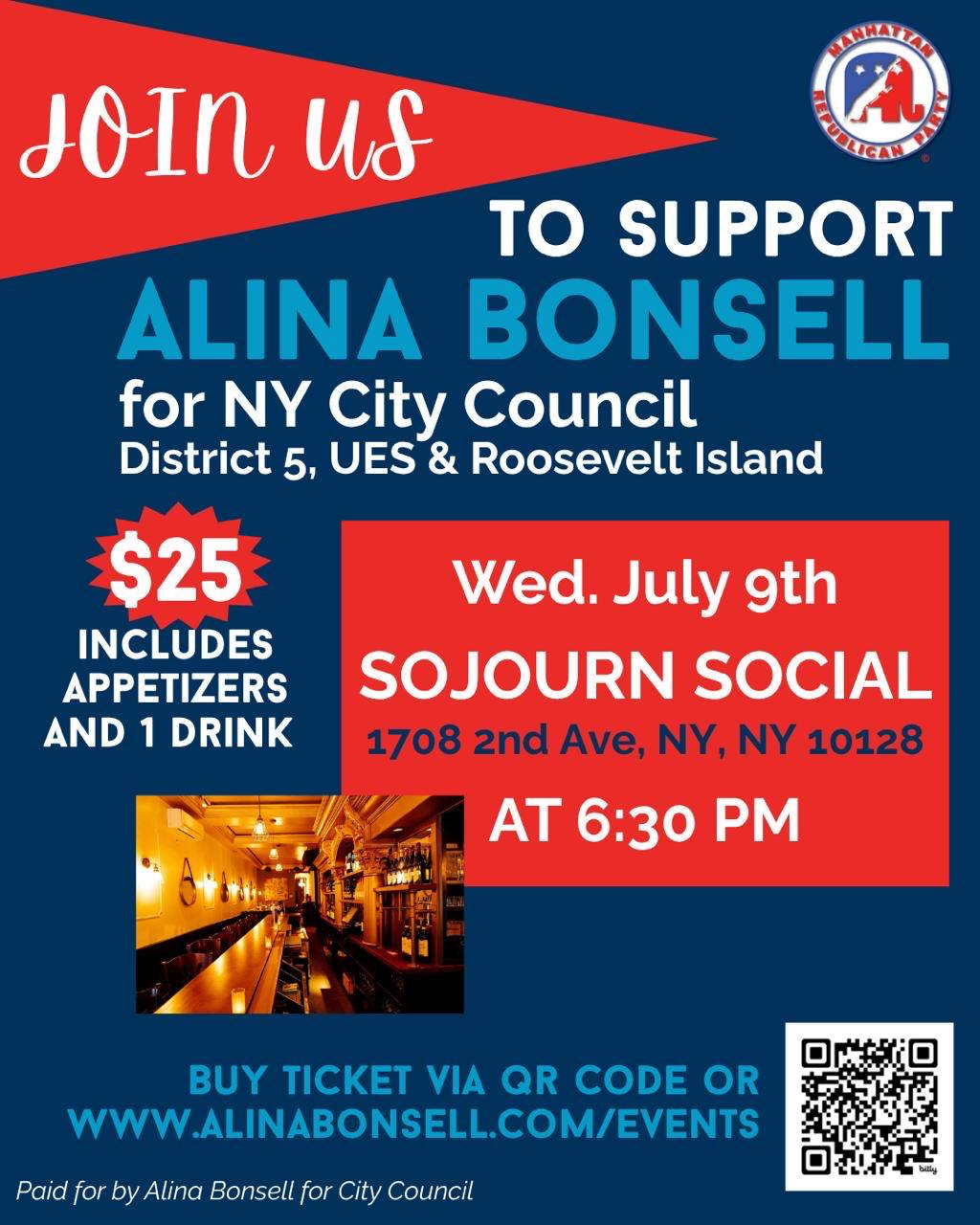
PM
15:52
Is this the guy
15:52
15:52
15:52
PM
17:16
Paul Mourino
BBB Passes
JW
19:17
Joyce Wu
Curtis was on Fox - he did well! He said it - 1 million Muslims
19:17
Glad he got my message lol 😂
19:17
Dont attack the religion bc they were pretty pissed seeing Zohran at the gay parade
😁
P
⚡T
PM
22:16
Paul Mourino
Luc it’s not true
22:17
22:19
There’s several major items in the bill that are mission critical
100 % tax refund for all new plant n equipment equipment
Full funding to remove 10 million illegals
Full funding to build 100 new nuclear reactors for civilian use
100 % tax refund for all new plant n equipment equipment
Full funding to remove 10 million illegals
Full funding to build 100 new nuclear reactors for civilian use
DM
23:49
Doug Mayhew
Ok, those seem quite important, yes. Outwardly suggestive of an industrial expansion initiative…
I suggest looking into the fine print on the nuclear plants, to see if they are intended to provide general purpose industrial electricity, or more narrowly aimed at powering AI or crypto-mining data centers, or a mixture…
👍
I suggest looking into the fine print on the nuclear plants, to see if they are intended to provide general purpose industrial electricity, or more narrowly aimed at powering AI or crypto-mining data centers, or a mixture…
⚡T
4 July 2025
F
09:11
Felipe J.
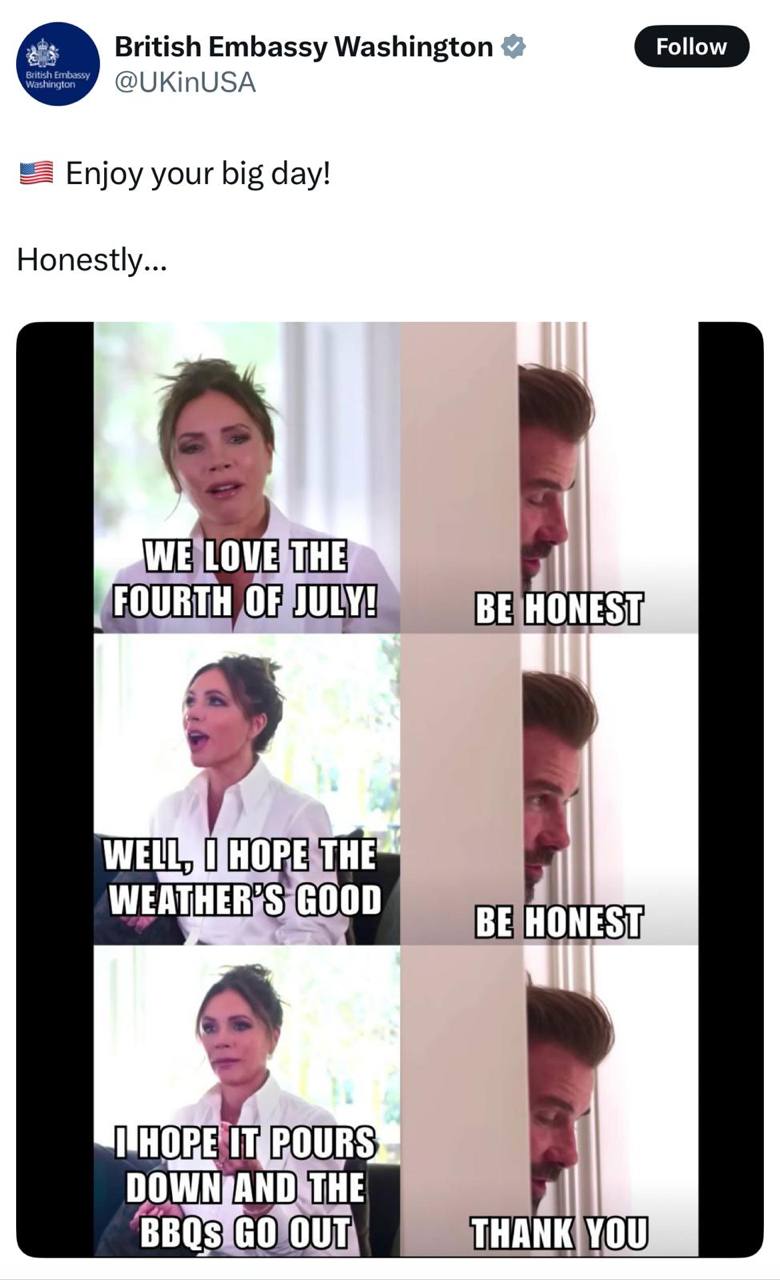
PM
PM
JW
10:31
Joyce Wu
No third terms - can you imagine if it was Obama
👍
P
10:31
Oh wait we did have 3rd term Obama
❤
F
PM
10:32
Paul Mourino
Yes we did lol 😆
10:34
F
10:35
lol hsppy to forget that guy
F
PM
11:22
Paul Mourino
F
DM

JW
PM
14:00
Paul Mourino
My fav Washington actor on Independence Day
F
JW
14:13
Joyce Wu
That makes Smashly’s kid half black and half Jewish bc she says she’s half Jewish
14:14
O and the kid is gonna run on being a minority of a single mother
14:15
Zohran we know didnt get in by being “half Asian” - we don’t qualify for affirmative action
14:18
Like why lie about your race?! He inherently is racist bc he thinks that blacks get in easier (which isn’t true)
14:28
Zohran is MORE privileged than a White person
14:28
His dad is a professor
14:29
Mother is Bollywood
14:29
In India to be this successful, you also need to be lighter skin color - it’s a thing
F
14:29
Felipe J.
Subcontinentals who were sent to the African colonies like Uganda were there to help run the empire
14:29
He’s literally a British empire brat
🔥
PM
JW
14:30

14:35
JW
JW
15:02
Based!
5 July 2025
PM
11:49
Good morning g I trust everyone’s celebrations were joyous
❤
MW
PM