Plato’s Parlor
Previous messages




.jpg) 🤣
🤣
 ❤
❤

 ❤
❤



 🤣
🤣
 🤣
🤣
 🤣
🤣

 🥴
🤣
🥴
🤣

 ❤
❤

.jpg)








 👍
👍
 🤣
👍
🤣
👍

 👏
🤬
👏
🤬



.jpg)


 👍
👍









 🤣
🤣


.jpg)



 ❤
👍
❤
👍


 💯
Next messages
💯
Next messages
15 May 2025
JW
14:48
Joyce Wu
16 May 2025
PM
11:13
Paul Mourino
lol young trump lol 😆
PM
11:57
Paul Mourino
Howdy 🤠 yall a friend of mine canceled for the metropolitan republican Galla tonight if anyone is interested text me we have an extra ticket
12:08
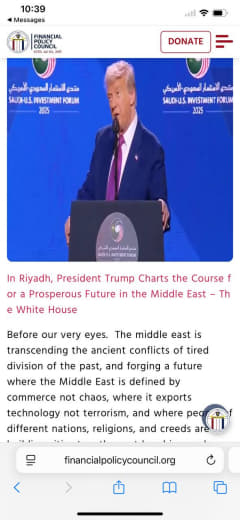
Also major potential policy change in Middle East coming off trumps recent travels n visit
PM
14:07
Paul Mourino
Finally the nuggets released
PM
18:37
Paul Mourino
Real life Indiana jones 😎 Timothy albrino has some wild things to say
17 May 2025
PM
08:00
Paul Mourino
PM
PM
Cat Morris joined group by link from Group
PM
21:03
Paul Mourino
Meme saturdays
21:04

21:04

21:04

21:04
21:04
21:04

21:05
Welcome to the parlor cat 😎🤓
CM
21:06
Cat Morris
Excited to be here 🐱
❤
F
18 May 2025
PM
09:54
Paul Mourino
B
Benny Johnson 18.05.2025 09:03:32
INSANE: Mexican Navy Ship SMASHES into Brooklyn Bridge! CHAOS as New Yorkers Flee in Terror, Attack?
https://youtu.be/BFPJXpAmMKc
https://youtu.be/BFPJXpAmMKc
PM
09:55
Paul Mourino
Lordy cpt Jose Quervo forgot to measure the tides 🙄
Alina 💚 joined group by link from Group
A?
13:49
Alina 💚
Hi
13:55
Hi are u from manhattan ?
PM
15:42
Paul Mourino
Welcome Alina
❤
A?
15:48
Lower Manhattan but Long Island 🏝️ originally
PM
23:42
Kash n bongino updates from inside doj snd fbi
23:42
Hmm 🤔
19 May 2025
PM
00:19
Paul Mourino
F
00:49
Felipe J.
D
Donald J. Trump 19.05.2025 00:48:33
CONGRATULATIONS REPUBLICANS!!! MAKE AMERICA GREAT AGAIN!!!
A?
PM
00:59
Paul Mourino
Indeed do share ur best memes, fun media and insightful news 🗞️
01:00
I was doing a lil late night news catch-up before bed tonight …
01:01
Meme of the week was definitely the trump magic carpet ride 🤓🤣😇
01:01
NW
PM
09:52
Paul Mourino
Good morning parlor team wishing everyone a productive week.
For those in nyc in June July there’s a few upcoming events worth participating; and if anyone is Campaigning, or writing blogs, or killing it with content do share your projects and the parlor team can assist. I have a blog item coming out this week on the new Bretton woods agreements in light of President trump’s / Scott bessent / Howard lutnik recent trips abroad.
Future looks very bright
Have a great 😊 👍 week.
❤
For those in nyc in June July there’s a few upcoming events worth participating; and if anyone is Campaigning, or writing blogs, or killing it with content do share your projects and the parlor team can assist. I have a blog item coming out this week on the new Bretton woods agreements in light of President trump’s / Scott bessent / Howard lutnik recent trips abroad.
Future looks very bright
Have a great 😊 👍 week.
F
PM
13:40
Paul Mourino
For a million bucks. Can yall guess what the mp stands for ?
5 letters 1 vowel
- - - m p
5 letters 1 vowel
- - - m p
20 May 2025
PM
12:20
This interview looks insightful
F
12:32
Felipe J.
Oh yes he’s very good
12:32
He interviewed me on his show a few years ago
PM
22:46
Paul Mourino
F
CM
22:46
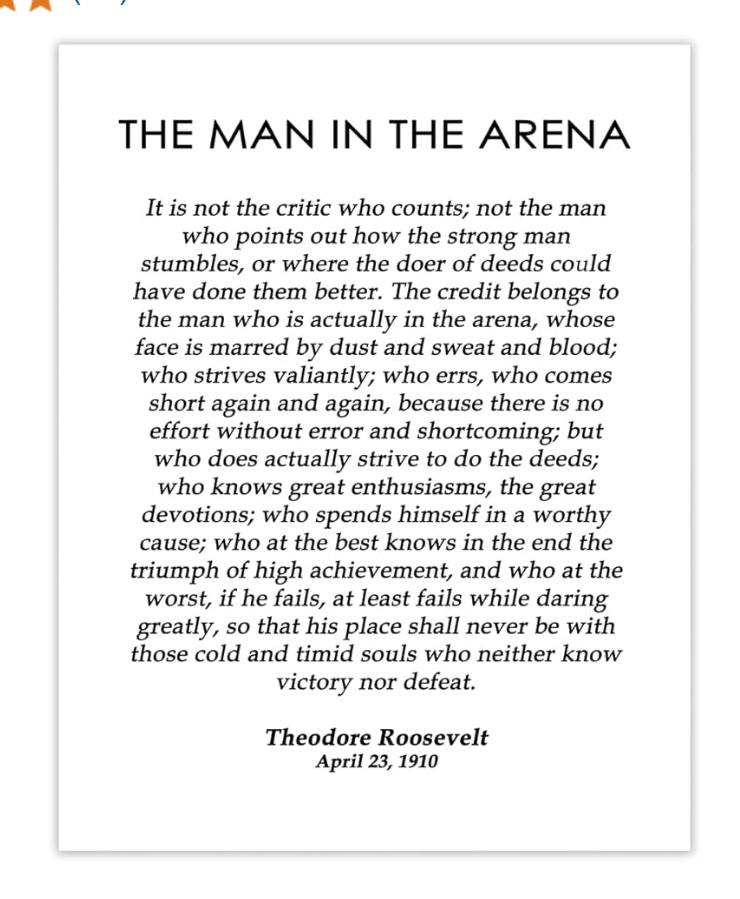
This evenings inspiration
23:26
In reply to this message
Pretty sure this one got me on a watchlist, but I sure was right about the politburo - apparently they even called themselves that
23:29
Don’t know why the link says 2022 it’s from May 21
PM
23:30
Paul Mourino
Reliving glory days.Of 2016
23:33
Golden dome is sdi lol 😆
❤
F
21 May 2025
PM
07:35
Paul Mourino
Tish is starting to crack
JW
Agim joined group by link from Group
PM
11:58
Paul Mourino
Welcome brother Agim glad to have ya. A complementary meme in honor of your membership to the parlor
11:58

A
12:00
Agim
Thank you for the invite Mr. Mourino, good to be here!
PM
12:01
Paul Mourino
I have not had the opportunity to look into the inside of the budget fight yet but as of last night it was hand to hand combat in the Republican caucus. Trump threw down on both lawler and massie for different reasons… but the jury is still in chambers on the final spending numbers
Hussein joined group by link from Group
PM
12:11
Paul Mourino
Hussein welcome glad to have u
H
12:11
Hussein
Thank you for the invitation!
PM
15:21
Paul Mourino
Enjoy piece just published by the FPC
https://financialpolicycouncil.org/towards-a-new-bretton-woods-let-the-sober-men-speak/
https://financialpolicycouncil.org/towards-a-new-bretton-woods-let-the-sober-men-speak/
15:22
Two for two this week 🤠
PM
15:42
Oh the memes
22 May 2025
PM
PM
01:12
Paul Mourino
Antonio Russo joined group by link from Group
AR
10:04
Antonio Russo
Good Morning MAGA!!
❤
F
PM
10:43
Paul Mourino
Good morning mark welcome glad to have. Ya. Some excellent campaigning last night at ritzy gathering to share and waiting to hear more from congress on budget Brew ha ha
10:44
10:45
And celebrating my new job as campaign mgr for Alina Bosnell 😎🤠 watch out city hall we on ur case… running for 6th district city council upper east side Manhattan
❤
F
10:45

A?
10:46
Sid gave her shout outs tis morning on his talk show 😎
10:47
Wabc77 local nyc radio
10:47
file:///var/mobile/Library/SMS/Attachments/82/02/E9ABDF94-2525-4ACF-B8E8-D8F6D9857F88/MOV_5288.mov
10:49

AR
11:07
Antonio Russo
Great News Paul, Let’s Go Alina!!
11:20
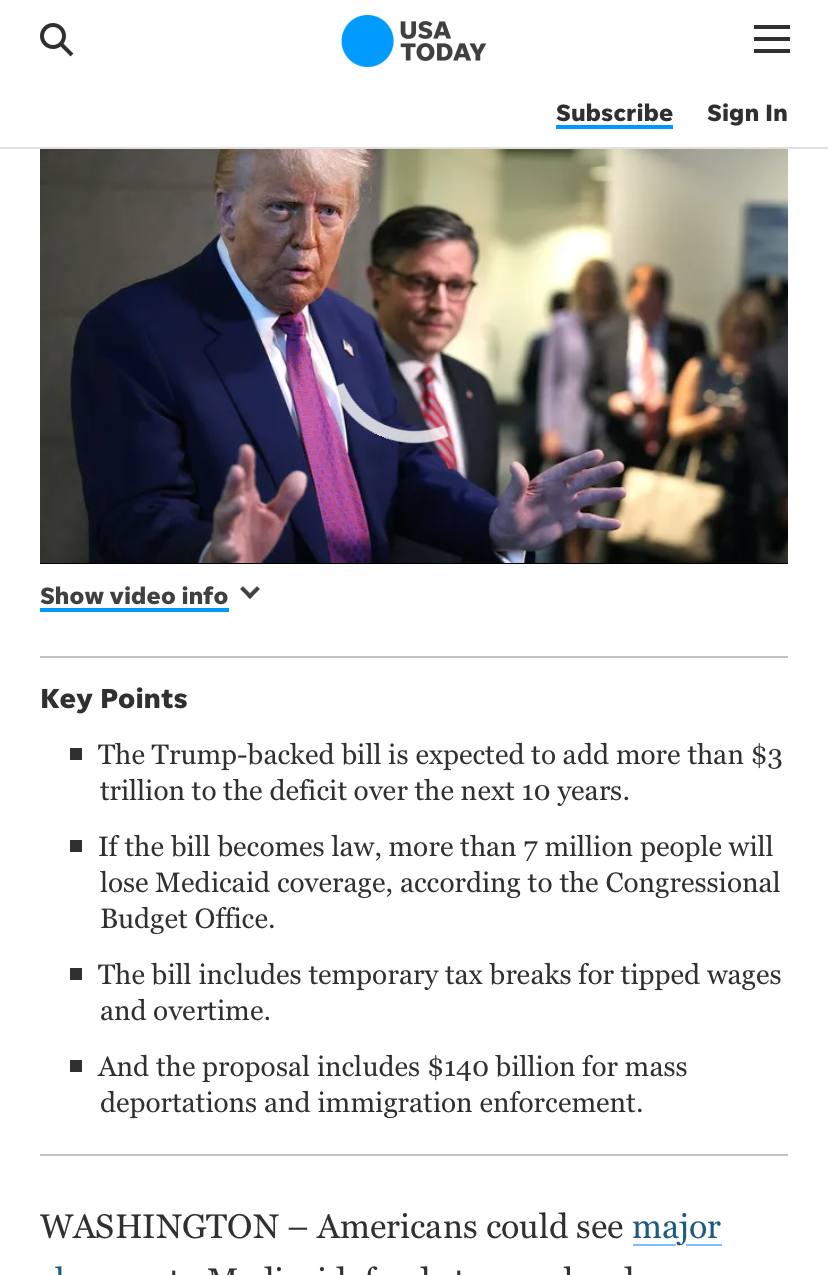
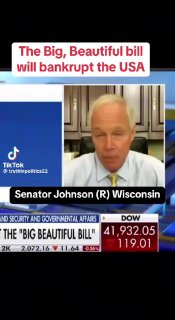
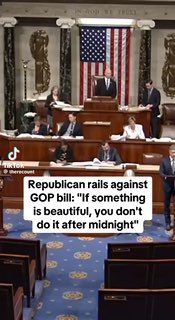
The Bill also increases the deficit by 4 Trillion dollars.
11:22
7 Trillion dollars will be added to deficit.
11:25
How does everyone feel about this?
S
11:27
Steven
nothing new good pr for no tax on tips
11:27
but then they add it with this shit so its as expected
AR
11:34
Antonio Russo
Yes apparently it’s only applied to cash tips which no one has been paying to begin with.
🤣
F
S
11:35
Steven
what cashtips i didnt get any cash tips proceeds to buy a car
11:35
no i dont commit tax fraud on tips to buy nice things
AR
11:37
Antonio Russo
No sir the dealership is not going to tip you for purchasing the car, you would tip the salesperson for good service, primarily used in the food service industry.
S
11:38
Steven
yes i know i was pretending to be a waiter using their cash tips to buy a car
AR
11:39
Antonio Russo
Ahh yes, the waiter was never going to the IRS to begin with to claim her cash tips.
11:40
So this no tax on cash tips benefits who exactly. When will the middle class get taxes cut?
PM
12:00
Paul Mourino
Yes it’s disappointing. To compare the mission of doge & initial finds vs execution of material changes now the compromise kicks in.
A further study is needed to see what in gods good green earth is going on. 🤦🏻🤦🏻🤦🏻 no doubt this will be a fight every step of the way
A further study is needed to see what in gods good green earth is going on. 🤦🏻🤦🏻🤦🏻 no doubt this will be a fight every step of the way
12:01
There’s a prosecution question also where’s the indightments and prosecutions???
12:16
In reply to this message
This was true back in the late 90s before y2k, graham leech biley act and quantitative easing etc…I went home with 300$ cash in pocket from 2 days work sat/sun
at a car wash. 🧼
Making 3$ an hour on the books. Alas the good ole days on the late 90s. Damit where’s Marty mcfly n my Time Machine
at a car wash. 🧼
Making 3$ an hour on the books. Alas the good ole days on the late 90s. Damit where’s Marty mcfly n my Time Machine
PM
18:07
AR
18:48
Anyone concerned about Qatari force one?
JW
18:49
What if it’s bugged
18:50
Well actually it shouldn’t be bc it would be “Made in America”
18:50
🇺🇸
F
18:50
Felipe J.
DOD is apparently under obligation to take it apart and check for bugs etc
18:50
I’m not sure if I’m more worried about that than the other thing tbf 😬
JW
18:51
Joyce Wu
Ughhhh dont ask me about ethics lol
18:51
A
18:51
Agim
Estimates have it could cost upwards of billion dollars to take it about and equip it with air force one technology.
18:52
Apart*
M
18:56
Mohammad
In reply to this message
I think they contracted L3 Harris to check the plane out for bugs
A
19:00
Agim
It's going to take years for the DOD to take the plane apart piece by piece, there could be bugs hidin into the firmware of every microcontroller on the plane.
AR
19:02
Antonio Russo
I’m thinking we can take the plane an sell it to Israel and reduce the deficit.
M
AR
19:14
Antonio Russo
Correct at least we will get something back.
19:26
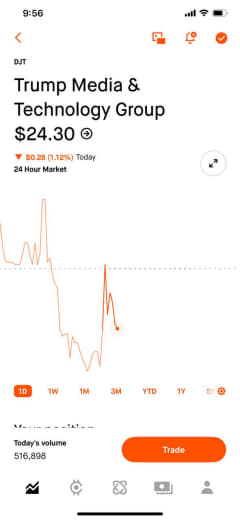
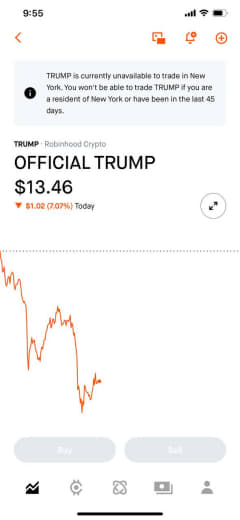
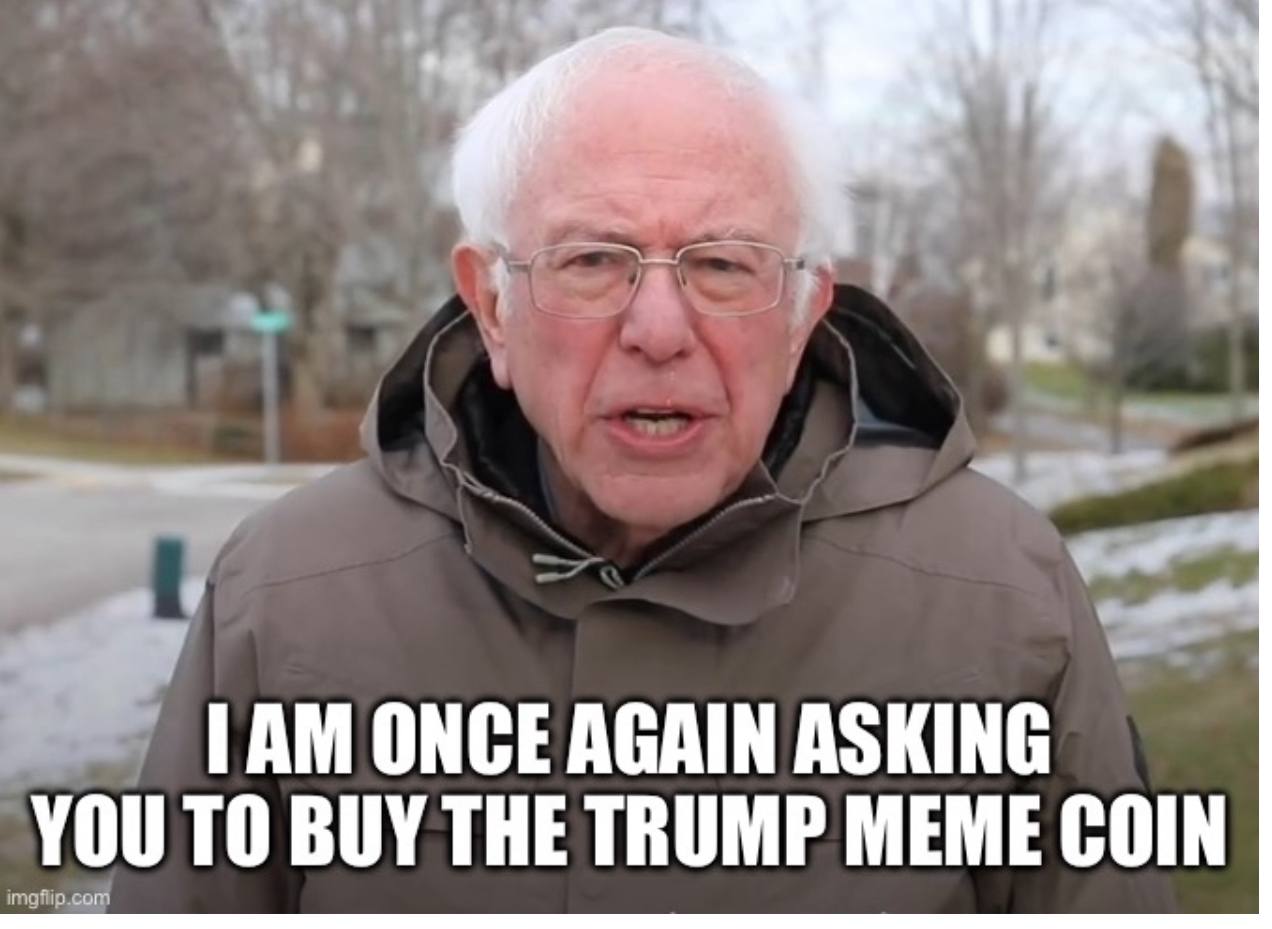
Has anyone purchased Trump meme coins?
M
19:27
Mohammad
In reply to this message
No we won't well be giving them a free plane along with money for the privilege lol
F
19:33
It peaked at like 800 bucks, I should have sold it 😆
PM
A
AR
20:03
Antonio Russo
Has anyone purchased Trump meme coins? I’m thinking of purchasing but wife thinks I’m crazy.
A?
PM
22:13
Paul Mourino
Special invite to our parlor friends Alina will be table at her neighborhood festival next sat June 7th 11am to 4 pmcome on out and meet the candidate for city council district 5 😆😉
22:16
Also join the movement
Make America hot again 🔥
https://www.wsj.com/style/conservative-dating-apps-events-singles-date-right-stuff-68d61917?st=rgcqZN&reflink=article_imessage_share
Make America hot again 🔥
https://www.wsj.com/style/conservative-dating-apps-events-singles-date-right-stuff-68d61917?st=rgcqZN&reflink=article_imessage_share
AR
A?
AR
A?
22:18
Alina 💚
Follow me - watch my videos see what my campaign is about :)
PM
22:28
Paul Mourino
Yes I agree with massie and Johnson this was not what was expected, nor will it be the last word on spending.
Unless there’s some play with Moody’s and the bond market that trump / bessent have cooking; Or indightments pending from kash and bongino.
Unless there’s some play with Moody’s and the bond market that trump / bessent have cooking; Or indightments pending from kash and bongino.
AR
22:31
Antonio Russo
Indictments will reduce the federal deficit??
F
22:31
Felipe J.
Well if the bill doesn’t pass taxes go up so there is that way go balance e the budget
PM
22:33
Paul Mourino
All these people involved in budget are part of a big grift which eventually comes back to them in campaign contributions and other forms of spoils. If we man up and start hauling people for theft racketeering trafficking or embezzlement then it changes the dynamic… right now they think 🤔 they can continue to get away with murder
22:35
The doge revelations have not been baked into the cake yet. My thinking is the establishment still thinks it can steal with reckless abandon.
AR
22:35
Antonio Russo
Are you suggesting republicans in the house are conspiring in criminal conduct?
F
22:35
Felipe J.
Call the cops quick
PM
22:35
Paul Mourino
Some are definitely 👍 lol 😆
❤
F
AR
22:37
Antonio Russo
Who do we need to lock up?
PM
22:37
Paul Mourino
First do the easy one james comey
AR
22:38
Antonio Russo
James Comey was not involved in the spending bill.
F
22:39
Felipe J.
John Brennan!
22:39
Dibs on running the interrogation
PM
22:39
Paul Mourino
Yes Brennan another good candidate
Hmm 🤔 mark allow me to introduce u to dynamics.
Hmm 🤔 mark allow me to introduce u to dynamics.
22:41
It’s an establishment blob that transcends party. Let me introduce to Mike bence and his body of work on free speech on internet and the blob. Do u know him?
AR
22:44
Antonio Russo
It interesting it certainly transcends party lines I would agree
PM
22:45
Paul Mourino
He was on war room today 5 pm show detailing the connection Harvard - intel community - us policy control.
Getting back to budgets. The republicans and Dems. Pushing for crazy huge spending are part of this machine
Getting back to budgets. The republicans and Dems. Pushing for crazy huge spending are part of this machine
AR
22:46
Antonio Russo
We must halt all spending especially military spending
22:47
This Bill adds hundreds of billions to defense spending as if they need any more money
22:48
As a life long republican I am appalled at this spending budget
F
22:48
Felipe J.
Sounds like you don’t want it to pass
22:49
Very possible scenario
AR
22:49
Antonio Russo
I need to see more cuts
F
22:49
Felipe J.
I’d bet on it not passing tbh
PM
22:49
Paul Mourino
I listen to Russ vought today and it didn’t make sense
AR
22:50
Antonio Russo
Republicans will lose the house and senate if this bill passes come midterms
F
22:59
Felipe J.
Nah that’s what the tariffs were for
PM
23:08
Paul Mourino
At this point I can only support this budget on faith knowing trump took a trillion off the budget 2017. Need something more clear then Russ vought war room chat today. it maybe a play to push thru all the funding for what needed operationally and they use exec power afterward to cut and remove the excess.
AR
23:11
Antonio Russo
8 Trillion dollars were added to deficit in 2019, how did we save a trillion???
23:12
It was the largest deficit increase in American history…
23 May 2025
PM
06:37
Well Agim looks like Hardrock casino 🎰 with Steve cohen is a go
PM
07:12
Paul Mourino
Hmm 🤔 200-300 trillion dollars. 💵 Jaime diamond speaks to gen z
https://www.instagram.com/reel/DJpFtd6zVps/?igsh=eTEyOG55YmJ4bnZq
https://www.instagram.com/reel/DJpFtd6zVps/?igsh=eTEyOG55YmJ4bnZq
AR
08:52
Antonio Russo
Good Morning MAGA!!
08:53
I’m encouraging everyone to invest into Trump meme coin, he needs all of our support.
PM
AR
09:01
Antonio Russo
I apologize, I’m going to be investing heavily and encourage my fellow MAGAS to do the same.
PM
09:23
Paul Mourino
Really. I have my doubts on it. I love but distrust some of these coins But if it’s part of the budget play. Maybe it’s a way to secure market vslue ??
AR
09:36
Antonio Russo
Trump has promised to make us all rich again, we just need to invest in him.
09:36
Fight, Fight, Fight!
PM
09:57
Paul Mourino
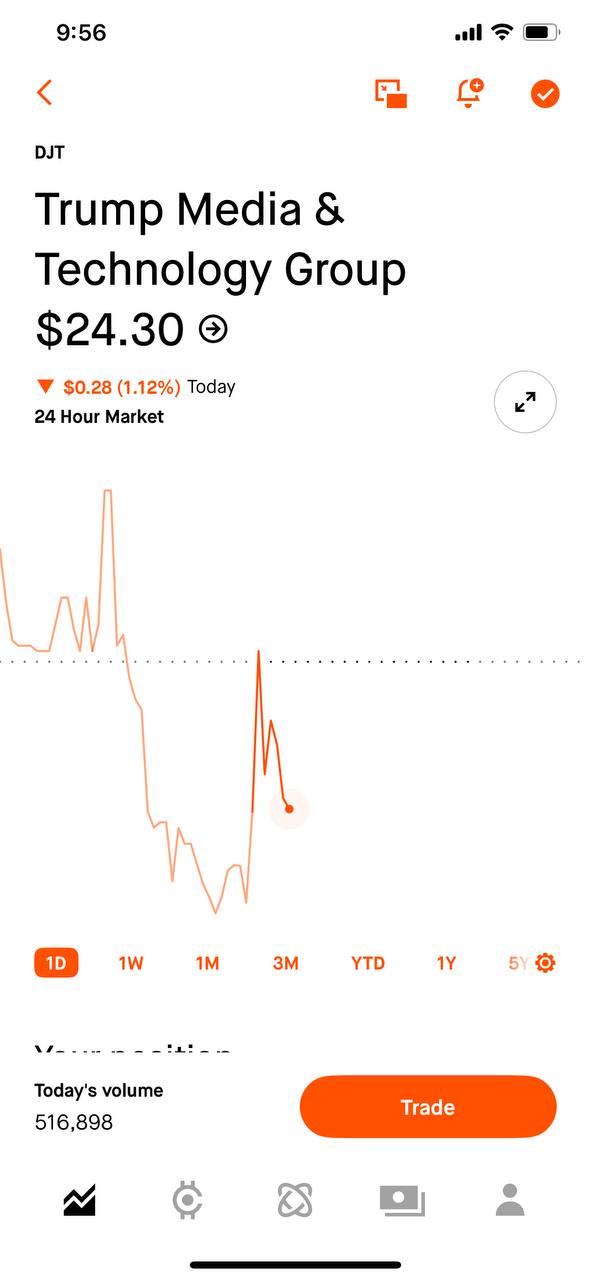
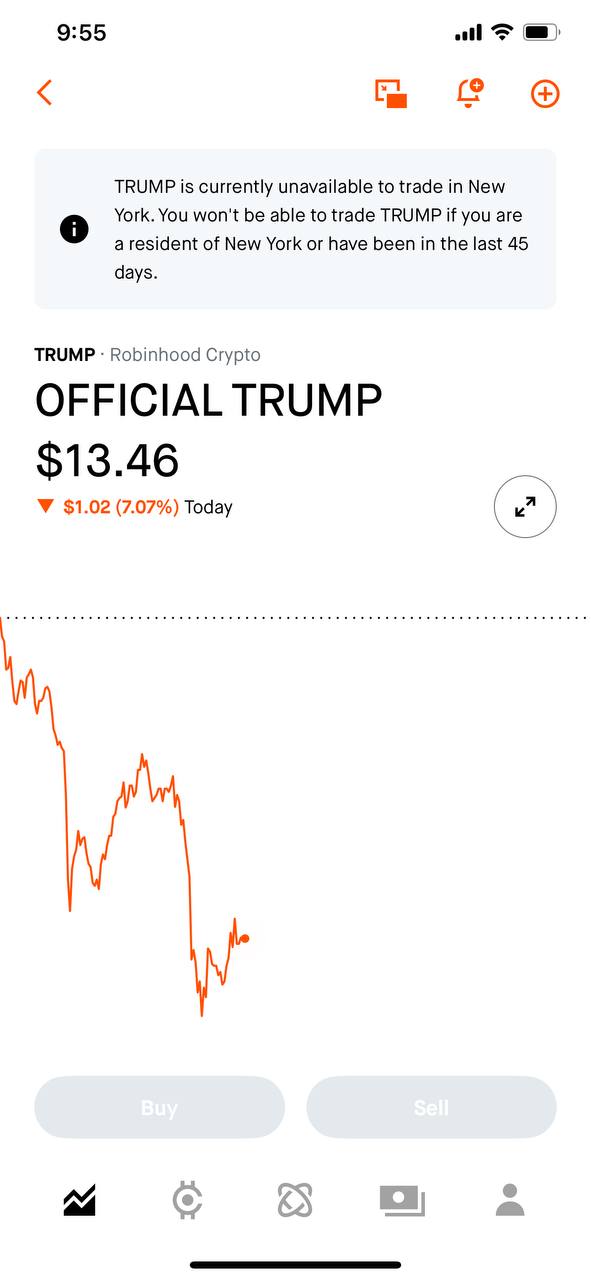
lol 😆 well according to market gods cant do it in nyc 🤔💸🤦🏻🤦🏻
09:57
09:57
09:57
TBD
AR
10:54
Antonio Russo
😯
10:54
You must have faith in Trump.
10:56

10:56
Our lord and savior
PM
11:05
Paul Mourino
lol 😆
😐
AR
11:05
NW
11:05

NW
11:05
Let the weekend meme war begin 😆🤠
JW
AR
11:11
Antonio Russo
Correct I ask you all to invest as much as you can.
PM
11:12

NW
NW
AR
11:14
Antonio Russo

PM
12:06
Paul Mourino
K
12:08
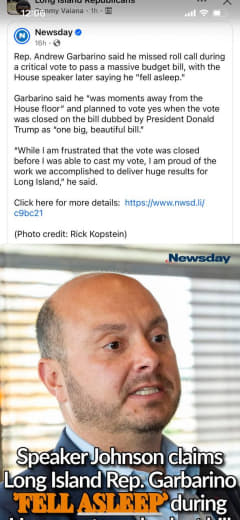
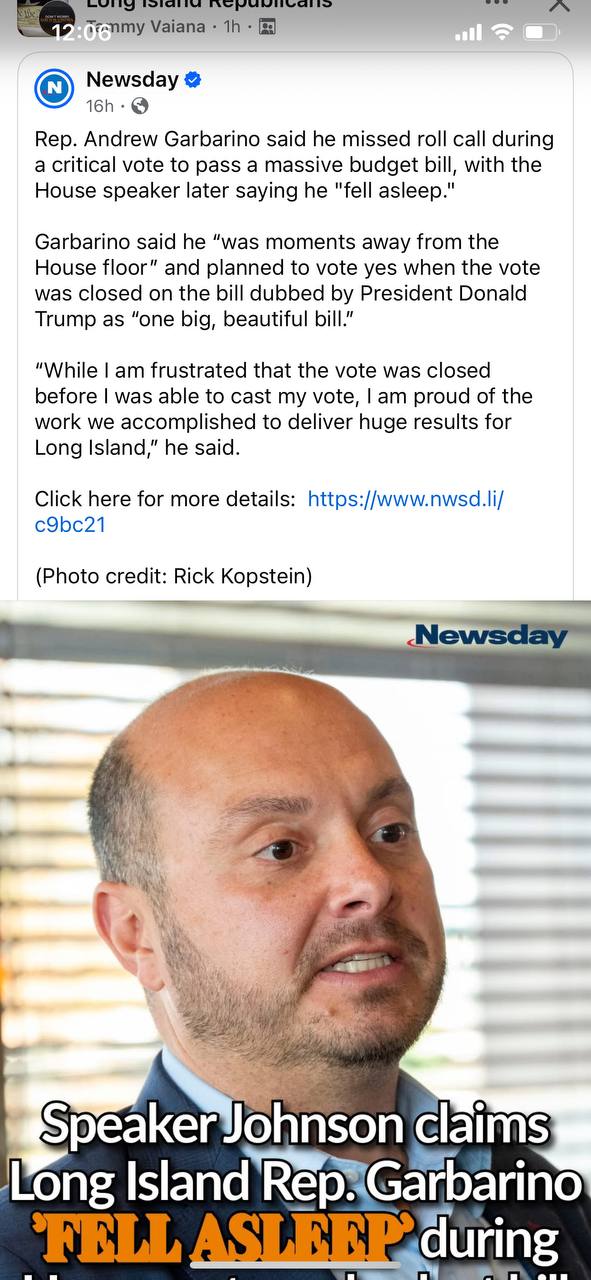
Oh no 🤦🏻🤦🏻🤦🏻 congressman garbarino fell asleep 😴 during budget vote 🗳️ 😆
Well I’m glad massie got his support almost neigh 🐴
Well I’m glad massie got his support almost neigh 🐴
AR
12:14
It’s time to invest my friends and show Trump our support.
NW
PM
12:52
Paul Mourino
Yes I know Andre from back in the day lol
12:52
We will help him after his trail by dojo 😆
🤣
NW
13:17
Clean up the voting rolls at boe and it’s a win 🏆
❤
K
F
AR
13:29
Antonio Russo
Where is Lawler?
13:30
We’re waiting for him to bring back our SALT tax deductions!
PM
13:43
Tax Harvards endowment lol 😆
❤
F
AR
13:44
Antonio Russo
We need our SALT tax deductions back
👎
NW
13:47
Are you familiar with the SALT tax deductions 🧂 🌶️
F
14:43
Just having someone there during polling to check the roll makes a big difference
AR
14:50
Antonio Russo
What does Albany and polling have to do with federal salt tax deductions??
F
14:50
Felipe J.
Replying to different points
14:51
With you the point is you don’t need salt deductions if Albany lowers your state taxes
🔥
NW
AR
14:53
Antonio Russo
So we’re just going to blame Albany for federal taxes?
F
14:53
Felipe J.
Most states don’t even have some of the taxes covered by salt
14:54
Leaving salt in there is a giveaway specifically to high tax high spend blue states
14:54
Why on earth would Trump prioritize rich liberals in blue states lmao
💯
NW
NW
14:58
Nick W
SALT deductions are forcing low tax states to subsidize high tax states. Federal government taxes are separate problem - but allowing salt deductions incentivize states to have higher taxes
❤
F
PM
15:00
Whsts the deal on Whitney for mayor ?
15:01
Salty education going on
me love ❤️
me love ❤️
AR
15:06
Antonio Russo
New York contributed 9% of the federal income which state is subsidizing New York??
NW
15:15
Nick W
It’s subsidizing New York’s ability to charge its residents, higher taxes. Instead of getting the hit of New York’s ridiculous taxes in addition to normal federal taxes salt, softens it by reducing the amount that we would owe in federal government taxes.
So instead of the system working properly, where New Yorkers would petition their state and local governments to reduce taxes / vote in those who will lower taxes, they just get it by proxy through the reduction of federal taxes.
So instead of the system working properly, where New Yorkers would petition their state and local governments to reduce taxes / vote in those who will lower taxes, they just get it by proxy through the reduction of federal taxes.
15:24
Using gross numbers strips away the context. It’s taxes New York owes to the federal government versus taxes they pay (with salt deductions). Not how much New York pays in taxes versus other states.
I don’t think it’s a federal government‘s job to incentivize a state to have high state taxes.
I don’t think it’s a federal government‘s job to incentivize a state to have high state taxes.
PM
15:42
Paul Mourino
Ergo ny is bankrupt lol 😆
👎
AR
NW
15:43
Ergo ergo federal budget is bat shit 💩 looney thanku congressman lawler
AR
16:04
Antonio Russo
NYC alone generates more money than the entire state of Florida…
💩
NW
16:05
Go New York, Go New York, Go!!!
PM
17:02
Paul Mourino
Nyc Steals more money the Florida
F
17:03
Felipe J.
But even if both of those things were the other way around
17:03
It’s still a giveaway to “their guys” as opposed to “our guys”
17:04
Trump should come out and say make Stefanik governor and we can talk SALT 😆
🤣
NW
PM
17:05
Paul Mourino
There ya go. I’ll wake up garbarino 😆
🤣
NW
17:06
In reply to this message
Where did mayor Adams get 6 billion to spend on illigal immigration program.
They stole it from FEMA
They stole it from FEMA
17:07
Ergo ergo
⚡T
AR
17:47
Antonio Russo

F
AR
17:48
Antonio Russo
God Bless Donald J Trump
F
17:48
Felipe J.
You get the constitution, Declaration of Independence, federalist papers AND new and old testaments 😆
AR
17:49
Antonio Russo
Yes sir
AR
18:28
We need the files 🗂️💃🤸♀️🤷♀️🧟♀️
18:32
kash promised us the files
18:32
Disappointed
18:33
I hope Kash is not hiding something from us
PM
19:11
Paul Mourino
Well during that interview w Maria bartotoma it looked like a hostage interview 😆
AR
19:28
Antonio Russo
Kash is hiding the files from us who do you think he’s trying to protect?
19:29
Markets are down an other 200+ points today.
19:31
What the hell is going in???
19:32
On*
19:32
lord help us!
NW
19:37
Nick W
I feel like Bongino and Kash are two of the people we should be able to trust so this is very concerning especially saying Epstein off-ed himself
However, I do think it’s kind of silly that if we think that Epstein did not kill himself that they would go through the trouble of killing Epstein and not go through the trouble of burying an obfuscating and destroying files.
However, I do think it’s kind of silly that if we think that Epstein did not kill himself that they would go through the trouble of killing Epstein and not go through the trouble of burying an obfuscating and destroying files.
F
19:37
Felipe J.
Diddy trial is going thru
NW
19:38
Nick W
I’m willing to give them time before trying to burn them at the stake, but I am troubled by what seems to be happening with the Epstein situation
F
19:38
Felipe J.
All roads lead to Rome
PM
NW
19:38
Nick W
Felipe can you elaborate?
PM
19:38
Paul Mourino
Partido deus
AR
19:40
Antonio Russo
Bessent is having Trump add another 50% tariffs to the EU.
19:41
It sounds like Bessent is looking to have consumers pick up the tax cuts, we’re already paying significantly more at the grocery stores.
PM
19:45
Elons great 👍 in Saudi forum lol 😆
AR
19:46
She’s right!
19:46
Where is Elon hiding?
F
20:16
Felipe J.
In reply to this message
Diddy was (apparently) running the same sort of racket as Epstein, blackmail by sextape
AR
20:25
Antonio Russo
Yes he was
20:30
Let’s go Knicks!!
PM
21:57
Paul Mourino

NW
21:58
Try out new head gear ⚙️
How does the parlor vote 🗳️
How does the parlor vote 🗳️
Paul Mourino pinned this message
JW
PM
PM
23:49
Paul Mourino
🤣
NW
23:50

23:51
23:51
23:51
23:51

23:51

23:51

23:51
23:51

23:51

23:51
23:51

23:51

23:51

S
24 May 2025
PM
00:10
Paul Mourino
Bitcoin monestaries lol I’m in
https://x.com/bannons_warroom/status/1926058087384781191?s=46&t=qvsvPJEXfOVbSyFwodbteA
https://x.com/bannons_warroom/status/1926058087384781191?s=46&t=qvsvPJEXfOVbSyFwodbteA
AR
00:29
Anyone know why the event was run so poorly, considering the billions of dollars that were spent on it?
PM
06:33
Harvard yard and shadow diplomacy Benz special
👍
A
PM
07:10
Paul Mourino
Generational money
Boomers. All about money
Gen x …. Is it all about money
Gen y …. Where is all the money
Millennials … what is money
💰 💰 💰
👍
Boomers. All about money
Gen x …. Is it all about money
Gen y …. Where is all the money
Millennials … what is money
💰 💰 💰
A
PM
08:03
Paul Mourino
Jamie diamond on how we saved the world in 2008 lol… same thing happen in 1908 at JP Morgan Jrs. parlor on 26 th and Madison.
https://www.instagram.com/reel/DFw4W4IownS/?igsh=MWIxdHoxc2ZzZHp6Nw==
😱
https://www.instagram.com/reel/DFw4W4IownS/?igsh=MWIxdHoxc2ZzZHp6Nw==
NW
08:10
🤖 ai 🤖 lol 😆 james comey comes clean 🧼
https://www.instagram.com/reel/DJ9T42AtyHb/?igsh=MXJhYmR5bmswaGxiaA==
https://www.instagram.com/reel/DJ9T42AtyHb/?igsh=MXJhYmR5bmswaGxiaA==
JW
08:10
Trump should reinstate the ban
08:10
Can’t stand thar we have to pay for all these foreign HIV ppl
08:11
Most of the medicaid pays for this
08:11
How do I know?! how do I know everything- lol 😆
❤
F
08:12
No one ever wondered why they flooded countries with Africans when all over was ridden with HIV on that continent
PM

JW
08:15
Joyce Wu
I assume you’re referring to HIV PEP (post-exposure prophylaxis), as “peRP” seems to be a typo. If you meant PrEP (pre-exposure prophylaxis) or something else, please clarify, and I can adjust the response. Below is information on the cost of HIV PEP based on available data.
Cost of HIV PEP (Post-Exposure Prophylaxis)
HIV PEP is a 28-day course of antiretroviral medications taken within 72 hours of potential HIV exposure to prevent infection. The cost of PEP can vary significantly depending on factors like insurance coverage, location, and whether assistance programs are used. Here’s a breakdown:
Without Insurance:
A full 28-day course of PEP can cost between $600 and $4,000 in the U.S., depending on the specific medications prescribed (e.g., tenofovir/emtricitabine with raltegravir or dolutegravir) and the healthcare setting (e.g., hospital, clinic, or pharmacy).
For example, a source from 2021 indicates costs around $900 or more for a full course, while another from 2019 notes costs as high as $4,000 without insurance due to high copays or deductibles.
With Insurance:
Many insurance plans, including Medicaid, cover PEP, often reducing out-of-pocket costs significantly. In some cases, the cost can be as low as $2.25 on average with insurance, with maximum costs around $7.30 when pharmacists coordinate benefits (e.g., through hospital-based programs).
Before insurance involvement, out-of-pocket costs could be as high as $475 on average or up to $3,733.40 for a full regimen without assistance.
Assistance Programs:
Patient Assistance Programs (PAPs): Pharmaceutical companies offer PAPs to provide free or low-cost PEP for uninsured or underinsured individuals. Requests can often be processed urgently to ensure timely access.
Co-payment Assistance Programs (CAPs): These help cover copays or deductibles, further reducing costs.
Victims of Sexual Assault: The U.S. Office for Victims of Crime may cover partial or total costs of PEP and related care for those prescribed PEP after sexual assault.
Occupational Exposure: If PEP is needed due to workplace exposure (e.g., needlestick injury for healthcare workers), costs are typically covered by workplace health insurance or workers’ compensation.
In some regions, clinics like those in San Diego or Philadelphia offer PEP through patient assistance programs for uninsured or underinsured individuals, sometimes at no cost.
Regional Variations:
In Canada, a month-long course of PEP can cost $900 or more, with coverage varying by province/territory and exposure type (occupational vs. non-occupational).
In the UK, PEP is available for free through the NHS at sexual health clinics or emergency departments, but only for those meeting specific guidelines.
Additional Notes
Effectiveness and Adherence: PEP must be taken daily for 28 days and started within 72 hours of exposure to be effective. Costs may increase if additional medical visits or tests (e.g., HIV, STDs, or hepatitis) are required.
Comparison to PrEP: If you meant PrEP (pre-exposure prophylaxis), it’s a different regimen for ongoing HIV prevention. PrEP costs can range from $20–$60/month for generics with discounts (e.g., GoodRx) to $1,800–$4,500/month for brand-name drugs without insurance. PrEP is often covered by insurance with no copays under the Affordable Care Act.
Accessing PEP: To get PEP, contact a healthcare provider, emergency room, or PEP hotline (e.g., NYC’s 24/7 PEP Hotline at 844-373-7692 or Philly’s at 833-933-2815) immediately after exposure.
If You Meant PrEP or Something Else
If you intended to ask about PrEP or another HIV-related medication, please confirm, and I can provide specific cost details. For PrEP, costs are generally lower for generics, and many insurance plans cover it fully. If you have details about your location, insurance status, or specific medications, I can tailor the response further.
For more information on PEP costs or assistance programs, visit:
HIV.gov for U.S.-based resources
x.ai/grok for general inquiries or to explore assistance options
Cost of HIV PEP (Post-Exposure Prophylaxis)
HIV PEP is a 28-day course of antiretroviral medications taken within 72 hours of potential HIV exposure to prevent infection. The cost of PEP can vary significantly depending on factors like insurance coverage, location, and whether assistance programs are used. Here’s a breakdown:
Without Insurance:
A full 28-day course of PEP can cost between $600 and $4,000 in the U.S., depending on the specific medications prescribed (e.g., tenofovir/emtricitabine with raltegravir or dolutegravir) and the healthcare setting (e.g., hospital, clinic, or pharmacy).
For example, a source from 2021 indicates costs around $900 or more for a full course, while another from 2019 notes costs as high as $4,000 without insurance due to high copays or deductibles.
With Insurance:
Many insurance plans, including Medicaid, cover PEP, often reducing out-of-pocket costs significantly. In some cases, the cost can be as low as $2.25 on average with insurance, with maximum costs around $7.30 when pharmacists coordinate benefits (e.g., through hospital-based programs).
Before insurance involvement, out-of-pocket costs could be as high as $475 on average or up to $3,733.40 for a full regimen without assistance.
Assistance Programs:
Patient Assistance Programs (PAPs): Pharmaceutical companies offer PAPs to provide free or low-cost PEP for uninsured or underinsured individuals. Requests can often be processed urgently to ensure timely access.
Co-payment Assistance Programs (CAPs): These help cover copays or deductibles, further reducing costs.
Victims of Sexual Assault: The U.S. Office for Victims of Crime may cover partial or total costs of PEP and related care for those prescribed PEP after sexual assault.
Occupational Exposure: If PEP is needed due to workplace exposure (e.g., needlestick injury for healthcare workers), costs are typically covered by workplace health insurance or workers’ compensation.
In some regions, clinics like those in San Diego or Philadelphia offer PEP through patient assistance programs for uninsured or underinsured individuals, sometimes at no cost.
Regional Variations:
In Canada, a month-long course of PEP can cost $900 or more, with coverage varying by province/territory and exposure type (occupational vs. non-occupational).
In the UK, PEP is available for free through the NHS at sexual health clinics or emergency departments, but only for those meeting specific guidelines.
Additional Notes
Effectiveness and Adherence: PEP must be taken daily for 28 days and started within 72 hours of exposure to be effective. Costs may increase if additional medical visits or tests (e.g., HIV, STDs, or hepatitis) are required.
Comparison to PrEP: If you meant PrEP (pre-exposure prophylaxis), it’s a different regimen for ongoing HIV prevention. PrEP costs can range from $20–$60/month for generics with discounts (e.g., GoodRx) to $1,800–$4,500/month for brand-name drugs without insurance. PrEP is often covered by insurance with no copays under the Affordable Care Act.
Accessing PEP: To get PEP, contact a healthcare provider, emergency room, or PEP hotline (e.g., NYC’s 24/7 PEP Hotline at 844-373-7692 or Philly’s at 833-933-2815) immediately after exposure.
If You Meant PrEP or Something Else
If you intended to ask about PrEP or another HIV-related medication, please confirm, and I can provide specific cost details. For PrEP, costs are generally lower for generics, and many insurance plans cover it fully. If you have details about your location, insurance status, or specific medications, I can tailor the response further.
For more information on PEP costs or assistance programs, visit:
HIV.gov for U.S.-based resources
x.ai/grok for general inquiries or to explore assistance options
08:15
Local health departments or hotlines for region-specific guidance
Let me know if you need clarification or additional details!
Let me know if you need clarification or additional details!
08:16
Need Trump to reinstate HIV ban of foreigners from other countries and getting citizenship
❤
F
AR
08:46
Antonio Russo
You want us to take blood test for every person coming into the country??
08:50
I assume you would like us to reinstate internment of Japanese Americans as well?
08:59
If we’re going to reinstate anything it needs to be the ban on China. Why do we need to pay and treat all these people for COVID, we would save lots of money. 💰
PM
09:05
Paul Mourino
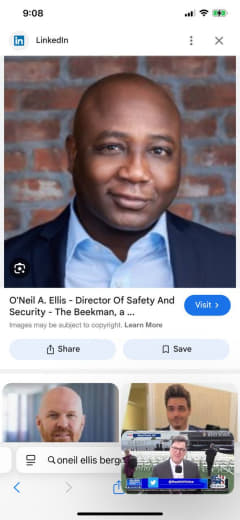
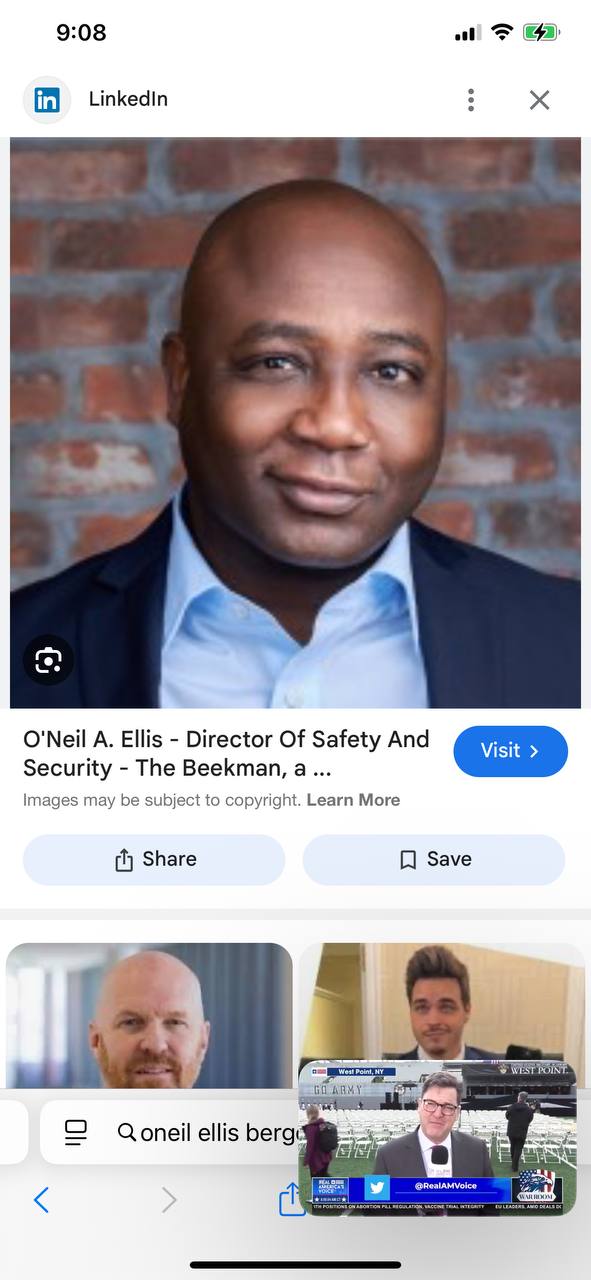
Congrats to O’Neil Ellis running for councilman in Bergen county nj
AR
09:08
Anyone know why the event was run so poorly, considering the billions of dollars that were spent on it?
PM
09:09
Paul Mourino
JW
AR
09:10
Antonio Russo
They are making it seem like Trump is profiting from the presidency.
JW
09:10
Joyce Wu
It takes care of getting rid of migrants bc they come here to get all this free medicaid
AR
09:11
Antonio Russo
Not sure what drug store or doctor you can go to and say give me free drugs.
09:12
It’s not like we have universal healthcare.
JW
09:12
Joyce Wu
FULL DISCLOSURE: I’m not Chinese
❤
K
AR
09:13
Antonio Russo
Well Trump will get rid of Medicaid
🤣
JW
09:13
Problem solved
09:14
Has anyone seen Elon Musk, I’m getting little concerned?
09:16
Someone told me they seen him running down Pennsylvania Avenue with a chain saw!
JW
09:25
They can’t get rid of that
AR
09:27
Antonio Russo
New budget bill has 700 billion in cuts to Medicaid
09:27
I’m pretty sure they will end Medicaid
JW
09:39
Joyce Wu
Did you know that Social Security pays for kids that are challenged? They will not get rid of these 2 things - which is probably easier to stop people from coming if they can’t afford it in the first place
💯
K
NW
AR
09:40
Antonio Russo
DOGE has identified billions in social security fraud l.
JW
09:40
Joyce Wu
For example, if I have 6 kids and not married by paper but by religion, 2 kids come out challenged - it comes from both medicaid and social security
09:40
Do we really want these ppl to get American citizenship later?
AR
09:41
Antonio Russo
Doge will cut both these programs, this is why it’s import to invest in Trump coin.
JW
09:42
Joyce Wu
SSI pays I think $30k when I looked it up for each kid that’s challenged- almost said the R word lol 😂
AR
09:42
Antonio Russo
You will need to diversify ur portfolio
JW
09:42
Joyce Wu
In reply to this message
You can’t cut for ppl who are American citizens gaming the system
09:42
Thats why need to stop them before they become citizens
💯
K
AR
09:43
Antonio Russo
The people committing Fraud are citizens, both programs must come to an end.
09:43
Elon has identified billions in fraud.
JW
09:44
Joyce Wu
They will vote on the Dem side
AR
09:44
Antonio Russo
You see what they’re doing with the mice 🐁 🐭
JW
09:57
Joyce Wu
In reply to this message
All the illegals are frauds bc they came to steal benefits that weren’t theirs
09:57
Definitely should start banning travel Mark lol
AR
10:07
Antonio Russo
In reply to this message
You cant be an illegal and get Medicaid you need to have some sort of documentation that you’re here legally. You can just show up and pick up a card like at Costco.
10:09
Can’t*
10:11
And if you’re going to reference NYC, these ppl are her under asylum which is legal while their case is being heard.
NW
10:54
Nick W
In reply to this message
“[T]hey used the catering service from the fyre festival lol,” 💀
10:56
In reply to this message
I’m a crypto guy but this has such a bad idea and gives the appearance of corruption. The coin and even World Liberty Financial it’s just a bad look. Maybe he’s trying to sabotage the event so this thing will go away lol.
AR

11:05
They are making it out like he’s some sort of grifter!
F
11:06
Felipe J.
Well they used to call us KGB agents so you know
11:06
From my perspective we’ve made a lot of progress
🤣
NW
AR
11:07
Antonio Russo
The Russians and foreign agents are the ones investing into this crypto
NW
AR
11:10
Antonio Russo
You need to diversify
11:11
Trump may run for third term
❤
F
11:11
The coins are going to boom
11:14

PM
NW
11:16
Nick W
This is beginning to feel like one of those random crypto chats you get added to on Telegram / WhatsApp. You getting commission or something?lol
😁
AR
11:17
In reply to this message
I’d quicker put my life savings into the Trump meme coin than bet on the fact that Trump will END Social Security and Medicaid.
🤣
F
11:20
But hopefully he can clean it up
AR
S
11:36
Steven
In reply to this message
Oh this is where they draw the line how about they instead fought to ban porn completely when they were trying to pass the take it down act when we had a genuine excuse to do it
❤
F
11:37
Fucking cowards i hate these people all they want to do is tax cuts and take money away from the poor and elderly instead when they have the chance to pass something socially conservative they cuck because they dont really care
AR
11:37
Antonio Russo
They banned porn in Florida, I can no longer visit this state.
11:39
They banned porn and allow kids to carry now.
S
11:41
Steven
Yeah good
11:41
As they should
AR
11:44
Antonio Russo
Ban Porn!?!?
11:44
What are we in North Korea!
F
11:45
Felipe J.
Sweden did it recently
11:45
I know you wouldn’t mind being in Sweden
AR
11:46
Antonio Russo
No Sir, any country that bans freedom of expression is not for me.
F
11:46
Felipe J.
Mass debating is not free expression
AR
.mp4_thumb.jpg)
F
11:51
Felipe J.
R
Roger Stone 24.05.2025 11:50:56
ICYMI
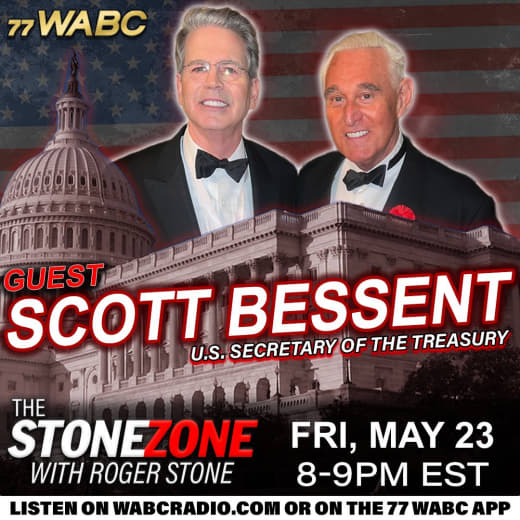
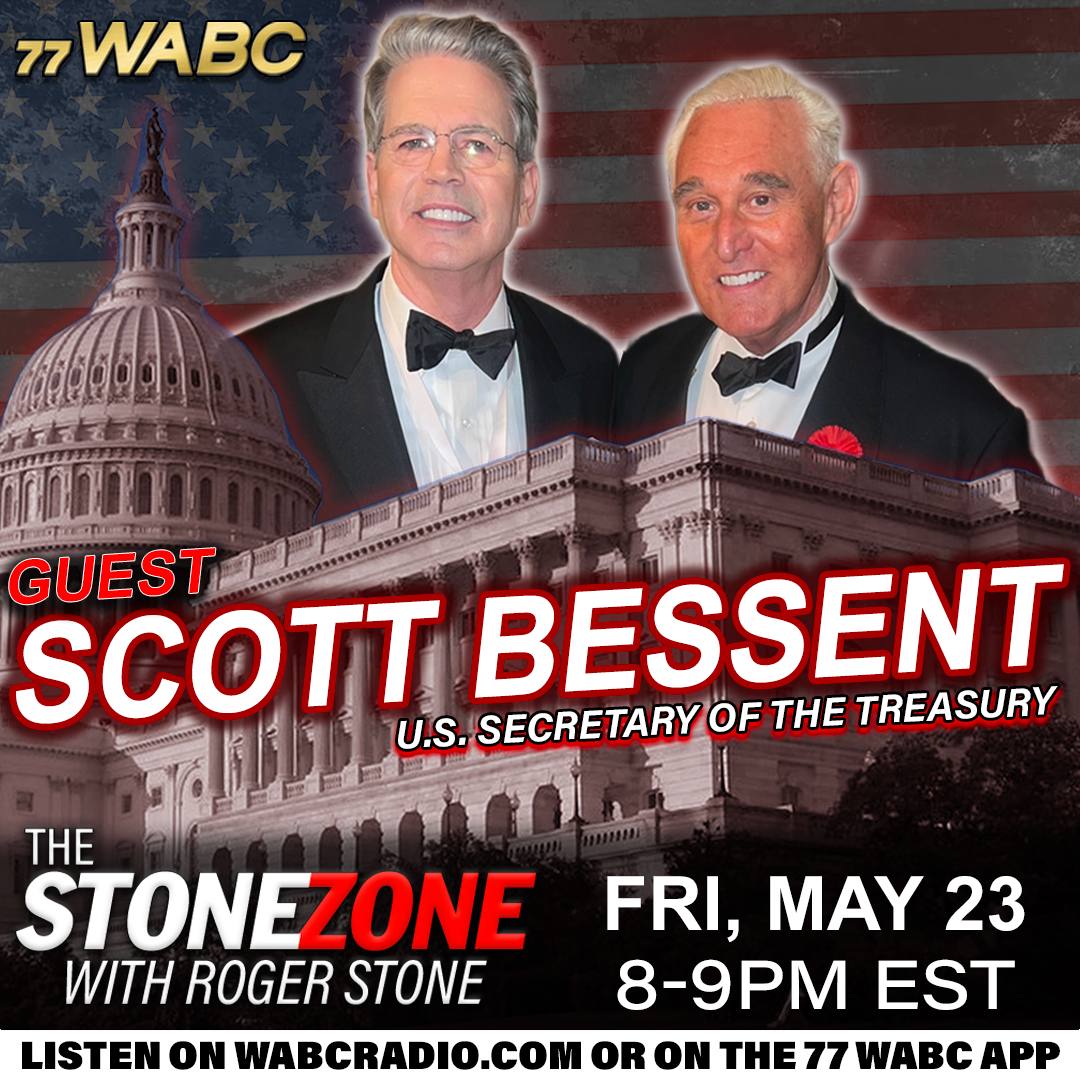
Scott Bessent — the GREATEST Secretary of the Treasury since Alexander Hamilton — Outlined President Trump's Plan to Make America Prosperous Again! 🇺🇸 💰
Secretary Bessent Joined The StoneZONE on 77WABC Radio.
🎧LISTEN: https://wabcradio.com/episode/scott-bessent-05-23-25/
Scott Bessent — the GREATEST Secretary of the Treasury since Alexander Hamilton — Outlined President Trump's Plan to Make America Prosperous Again! 🇺🇸 💰
Secretary Bessent Joined The StoneZONE on 77WABC Radio.
🎧LISTEN: https://wabcradio.com/episode/scott-bessent-05-23-25/
AR
11:52
Antonio Russo
Oh stop it, this guy has no clue what he’s doing… Trump will have it out of office very soon.
11:53
He’s still trying to figure out who pays for the Tariff!
S
12:02
Steven
Dont care about "freedom" if society is a degerate sespool which it is people clearly dont have the capabillity to control themselves so someone has to lead them in a moral direction ban porn ban sugar ban artifical sweetners ban sex toys and enforce a modest dress code
12:03
In reply to this message
They banned makeing money from porn basically you can consume it for free and make it as long as you dont earn a penny from it but they said they wont be punishing people who consume paid porn
F
12:05
Felipe J.
In reply to this message
He does talk about that in that interview if you care to listen
AR
12:05
Antonio Russo
So you prefer government control what we can and cannot eat, view and discuss.
12:05
Sounds like a dictatorship
12:06
Trump is very pro Porn!
12:07
He actually had several consensual relationships with several porn stars.
PM
12:28
Paul Mourino
In reply to this message
lol should we give Martin his first troll 🧌 award 🥉 😆
❤
F
NW
12:30
In reply to this message
Well he’s the only guy I know whose got porn stars the who owe him money 💰 lol 😆
❤
F
AR
12:31

12:34

PM
12:34
Inside inside meme for Martin
12:35
I’m 😅 tempted to post it on a certain page lol 😆
12:38
Omg/okeefe gaetz reveal another one. Recording of gop primary challenger to rep Luna. Assisation attempt recording 🙄🙄🙄
https://x.com/catturd2/status/1926310850232483970?s=46&t=qvsvPJEXfOVbSyFwodbteA
😱
https://x.com/catturd2/status/1926310850232483970?s=46&t=qvsvPJEXfOVbSyFwodbteA
NW
F
12:47
She identifies as hurt music video lol 😆
https://www.instagram.com/reel/DIwzmZqSvyY/?igsh=aGNmaTZmMHAxMXBk
https://www.instagram.com/reel/DIwzmZqSvyY/?igsh=aGNmaTZmMHAxMXBk
S
F
S
12:58
Steven
In reply to this message
Yeah and rather not be known for being the most obeese country and have degenerates walking around fucking the same sex and cutting off their dicks adding tits dressing up like a woman and paradeing like they do how would a christian dictator ship be worse if anything it would be better
13:00
In reply to this message
Not sucking the gop's dick and voting for a prick who is comprimising on everything and a party that comprimses on every issue i care about because the other side is just that much worse news flash you VOTE FOR THE LESSER OF TWO EVILS YOU WILL ALWAYS EVENTUALLY GET THE GREATER OF TWO EVILS
F
13:00
Felipe J.
Have fun in El Salvador
S
13:01
Steven
When you eventually get mandated sex changes and outright genicide of white people dont say i didnt tell you
F
13:02
Felipe J.
We are up tremendously on both those things what are you on about
S
13:04
Steven
Nope because trump is going to be gone soon and who is going to replace him jagmeet vance yeah let me know how that works out for you
F
13:04
Felipe J.
Trump 2028 baby get in
S
13:05
Steven
Good wont vote again
AR

13:10
The tech bros are not happy with the new bill. 💵
F
13:15
Felipe J.
Yeah I don’t think it’s gonna pass
PM
13:30
Paul Mourino
Good clip
25 May 2025
PM
AR
10:51
Antonio Russo
Good morning MAGA!!
AR
12:13
Israelis are killing children now, shame on them!!
12:15
Democrats needs to stop funding Israeli terrorist.
12:15
Gos bless America
12:16
God*
F
14:14
Felipe J.
PM
14:23
Paul Mourino
Jesus whept
14:24
It ain’t over till it’s over
AR
14:31
Antonio Russo
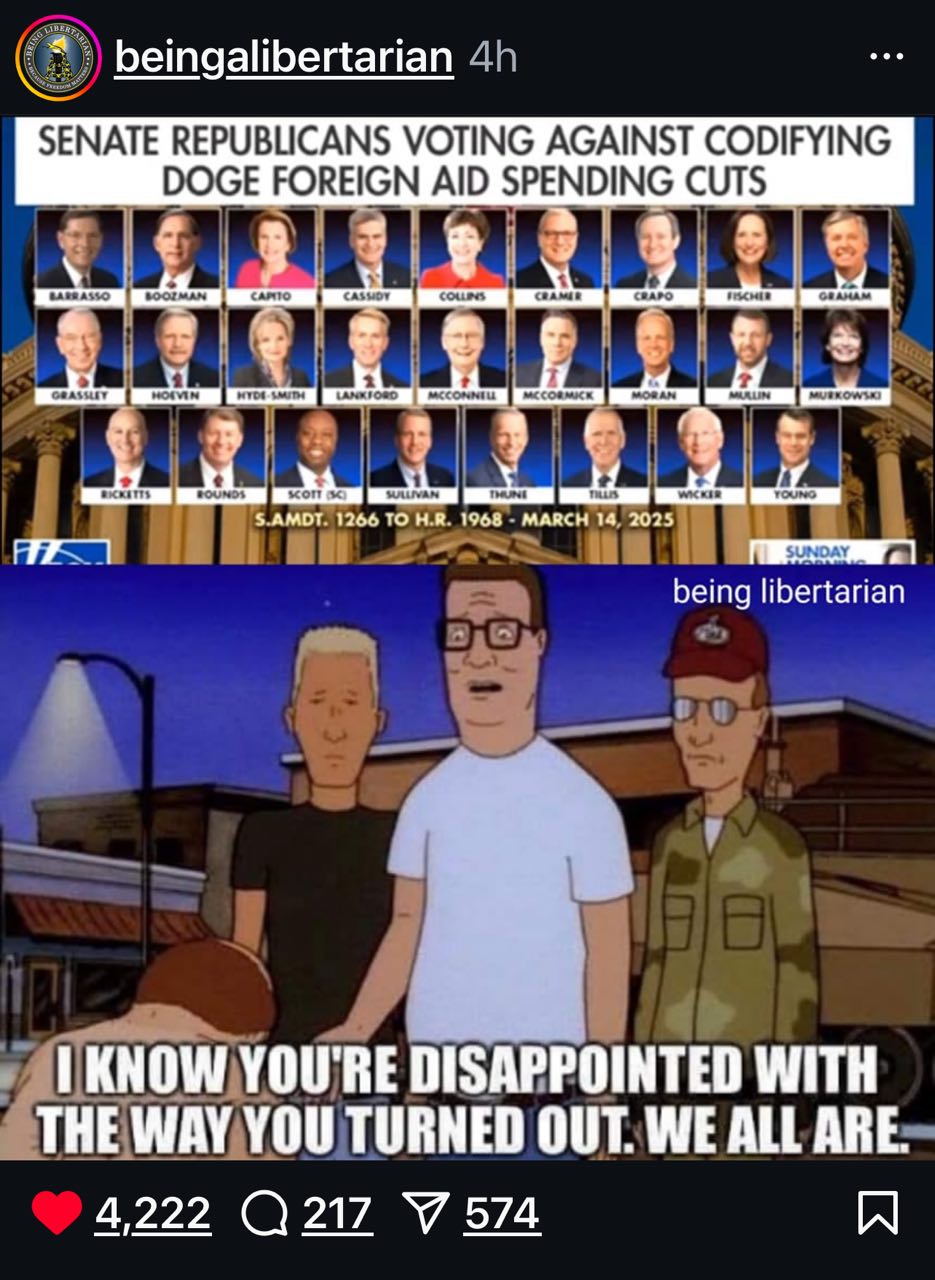
What happen to defense spending cuts?
14:32
What happen to Israeli genocide cuts?
14:44
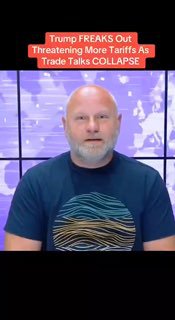
F
18:55
Felipe J.
D
Donald J. Trump 25.05.2025 18:44:28
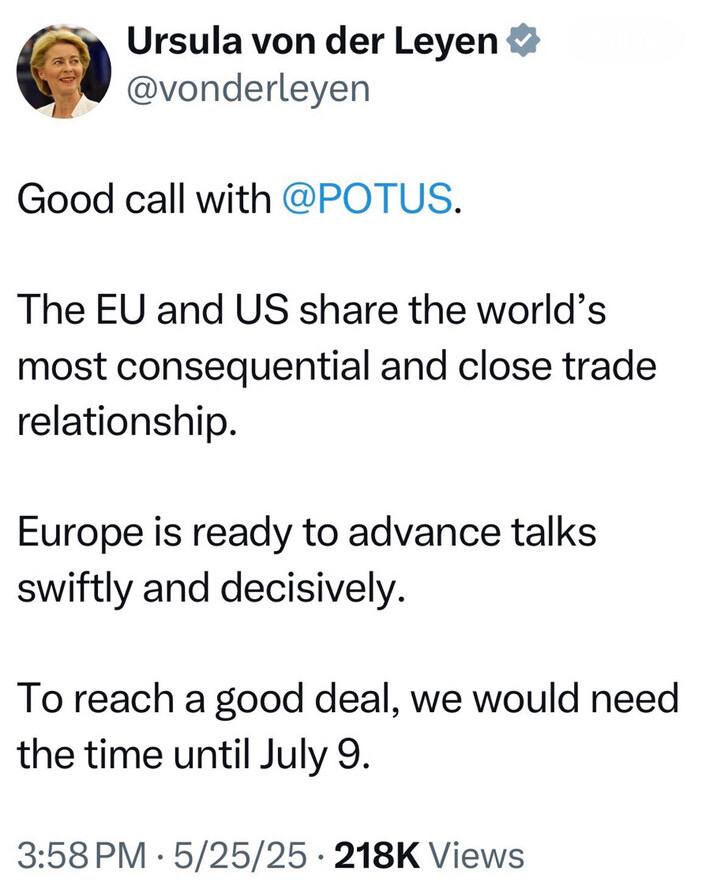
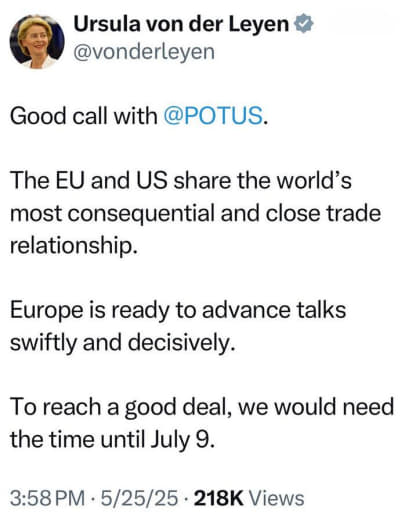
I received a call today from Ursula von der Leyen, President of the European Commission, requesting an extension on the June 1st deadline on the 50% Tariff with respect to Trade and the European Union. I agreed to the extension — July 9, 2025 — It was my privilege to do so. The Commission President said that talks will begin rapidly. Thank you for your attention to this matter!
PM
23:04
Congressman garbarino is getting 60/40 roasted lol 😆 sleepy dwarf memes
23:05
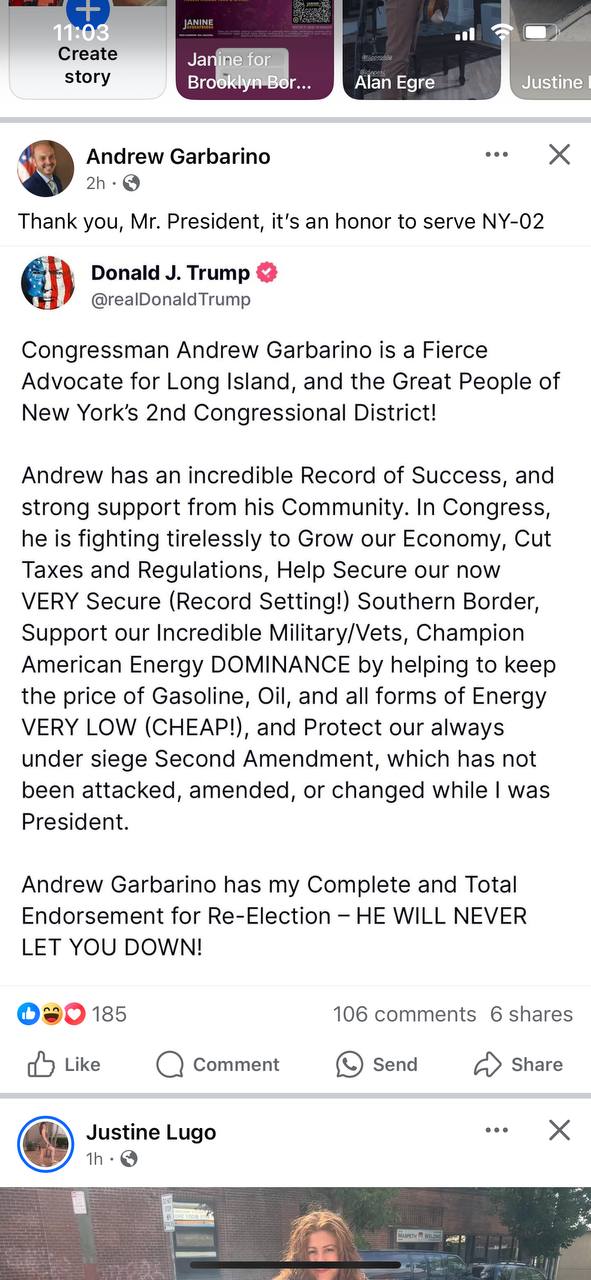
23:06

26 May 2025
PM
00:16
Paul Mourino
Wow Robert Barnes calls for Dan bongino s resignation …
👍
F
⚡T
AR
01:07
Antonio Russo
we need to drain the Swamp!
01:09
We need Epstein Files
👍
⚡T
01:14
Who is Kash protecting??
👍
⚡T
PM
07:07
Where my hood at.
07:08
Yes LES is as advertised.
PM
07:53
Come on Kash where the indightments at
F
10:17
Felipe J.
He’s too busy busting moves in nightclubs in front of honeypot spy chicks
PM
10:21
Paul Mourino
lol 😆 omg let’s hope not
10:21
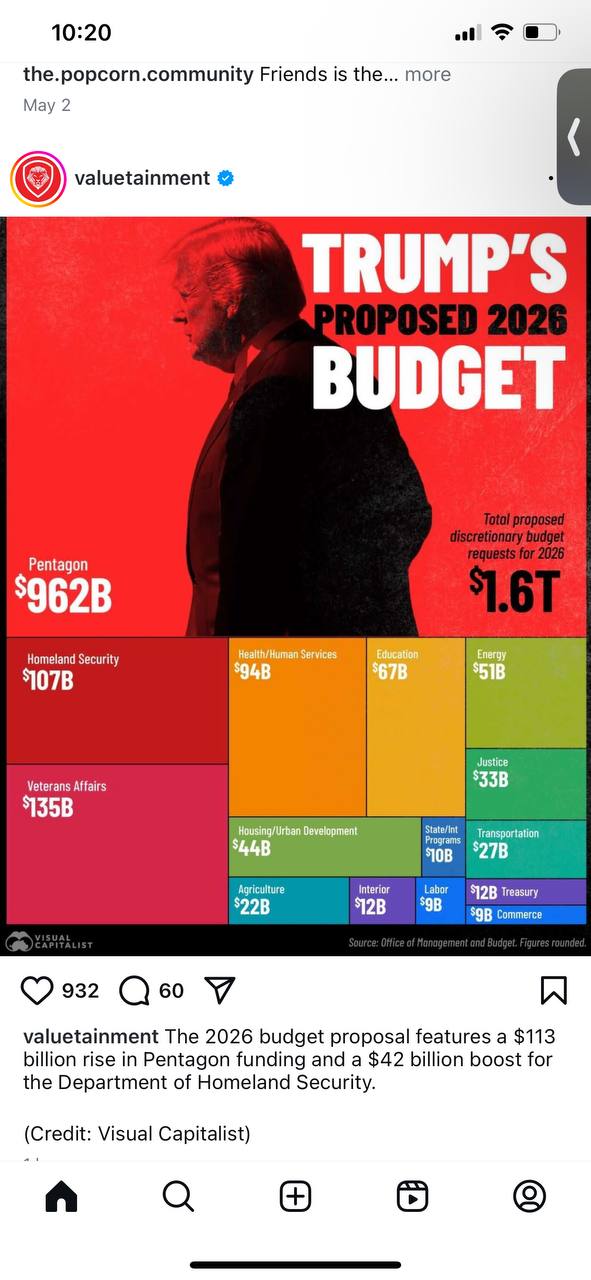
10:23
The entire energy department should be scrapped given Senator Kennedy’s revelation from witness testimony last year
10:24
Will only make exception if every penny of the proposed 51 billion is building nuclear power plants
F
10:37
Felipe J.
Ironically the real work that energy dept does is maintaining the nuclear weapons arsenal
AR
10:39
Antonio Russo
Instead of cutting internal programs, We cut all funding to Israel.
💯
⚡T
PM
27 May 2025
PM
08:56
Paul Mourino
Good morning friends
Please enjoy my latest piece on
towards a new Bretton Woods:
Let the sober men speak
https://financialpolicycouncil.org/towards-a-new-bretton-woods-let-the-sober-men-speak/
Please enjoy my latest piece on
towards a new Bretton Woods:
Let the sober men speak
https://financialpolicycouncil.org/towards-a-new-bretton-woods-let-the-sober-men-speak/
AR
15:42
Where does financial policy councils get its data from? How is Bessent remotely fiscal responsible with indiscriminately applying and encouraging Trump to apply 50 - 100% tariffs on countries we had free trade agreements with???
15:43
USA is now becoming fiscally responsible, was that a joke??? 😂
15:44
Has the publisher of this article not seen the tax bill and its implications on the deficit? Perhaps they have living user a rock?
15:47
Under*
PM
17:04
Latest from Alina
AR
PM
17:16
Paul Mourino
I did not discuss the budget in that paper and yes it was written before big beautiful thing passed and no I’m not happy with the budgets size and lack of doge cuts.
Where are we then in the process of?
We are fighting to institute revolutionary change in the largest and longest continuous government on earth. It’s not a time to complain but to dig in a little deep to figure this stuff out and develop a better solution
Where are we then in the process of?
We are fighting to institute revolutionary change in the largest and longest continuous government on earth. It’s not a time to complain but to dig in a little deep to figure this stuff out and develop a better solution
17:17
So yea more to come when I get more details from inside this crazy ness
AR
17:17
Antonio Russo
In reply to this message
Yeah let’s get rid of the Federal Reserve and we can all rely on Bitcoin… Genius 🙄
F
17:18
Felipe J.
Almost an entire century between Jackson killing the second bank of the United States and Woodrow Wilson establishing the Fed
17:19
Happens to coincide with America’s steepest growth
17:19
📠 only
PM
17:29
Paul Mourino
In reply to this message
Definitely review the article Felipe shared and I’ll dig up some additional reference materials too
Lena W. joined group by link from Group
PM
23:09
Paul Mourino
Good evening Lena welcome 🤗 to the parlor
AR
LW
28 May 2025
PM
01:05
Paul Mourino
Fantiastic gathering tonight
01:05

01:05

NW
08:07
Nick W
In reply to this message
Standing on principle by abstaining from voting touting the lesser of two evils excuse is exactly how a country is lost. This is why the dems over the last century have incrementally moved the ball and have control over every aspect (Hollywood, the media, academia, finance sector (ex Blackrock, social media etc.) and we are fighting Sisyphean battle to get the country to turn in the right direction.
Trump is not a perfect candidate he has his flaws and we shouldn’t be afraid to criticize him. But he’s also is not a uniparty neocon and he’s a huge improvement from the likes of McCain and Romney.
Presumably since you didn’t vote for him you think that was the right choice and others should have done the same. Can you explain the beneficial outcome (long or short term) of us all taking that stand and having a President Harris? Especially after all seeing how much damage the Biden Harris admin managed to do in 4 years.
Trump is not a perfect candidate he has his flaws and we shouldn’t be afraid to criticize him. But he’s also is not a uniparty neocon and he’s a huge improvement from the likes of McCain and Romney.
Presumably since you didn’t vote for him you think that was the right choice and others should have done the same. Can you explain the beneficial outcome (long or short term) of us all taking that stand and having a President Harris? Especially after all seeing how much damage the Biden Harris admin managed to do in 4 years.
AR
09:05
This fool told us the deficit was going to be the end of humanity, now not so much of a big deal when the government is spending money in his projects.
PM
09:22
Paul Mourino
Fool who u talk en bout 😆
09:22
09:23
A
09:44
Agim
In reply to this message
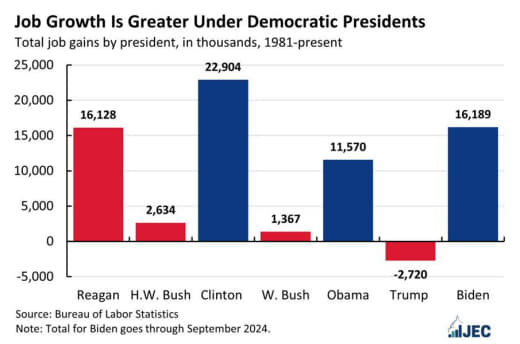
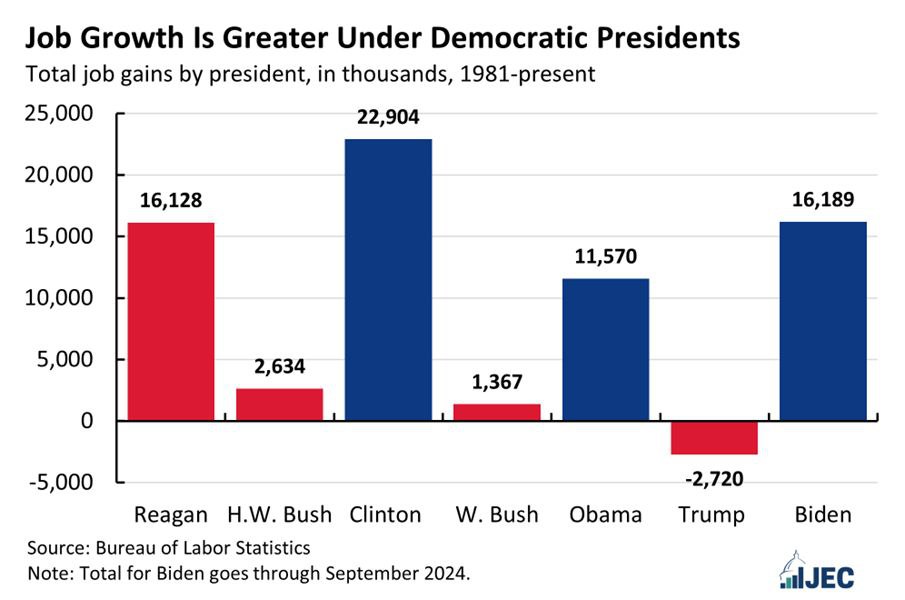
The economy seem to be pretty good under Biden... what damage did they cause exactly, was it the largest bipartisan infrastructure bill in American history, the bipartisan chips act, the lowering of drug prices?
PM
10:03
Paul Mourino
In reply to this message
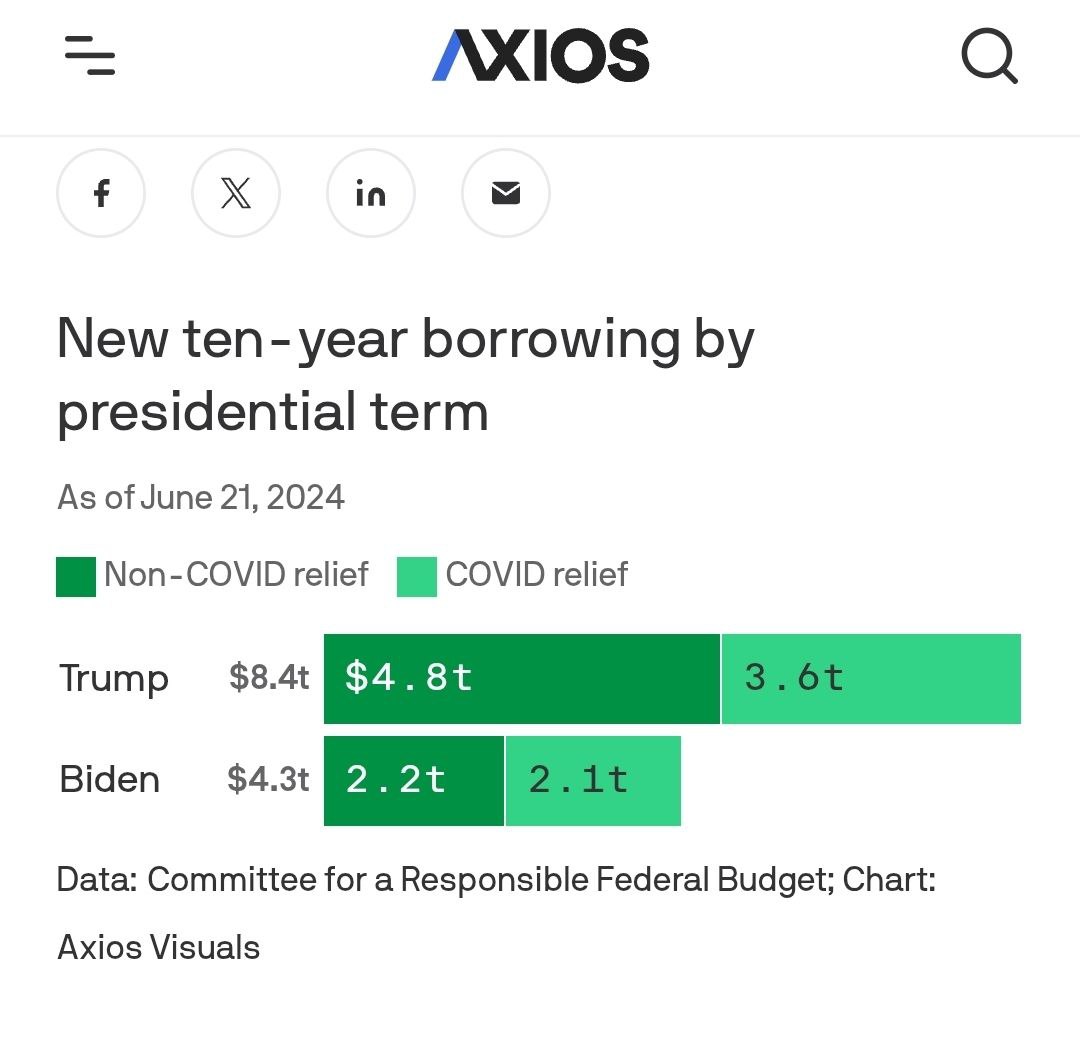
Agim Biden’s number were All government spending and expansion of the beauracy not healthy nor sustainable.
What did those growth numbers mean in nyc?
Adams spent 6 billion of federal fema money on nyc illegal immigration program housing food and education and job placement and relocation. And when emergencies hit. Forest fires in upstate or train 🚂 chem spill in east Palestine or hurricane devastation in Florida or s Carolina zero response from emergency mgt services.
What did those growth numbers mean in nyc?
Adams spent 6 billion of federal fema money on nyc illegal immigration program housing food and education and job placement and relocation. And when emergencies hit. Forest fires in upstate or train 🚂 chem spill in east Palestine or hurricane devastation in Florida or s Carolina zero response from emergency mgt services.
A
10:04
Agim
PM
10:07
Paul Mourino
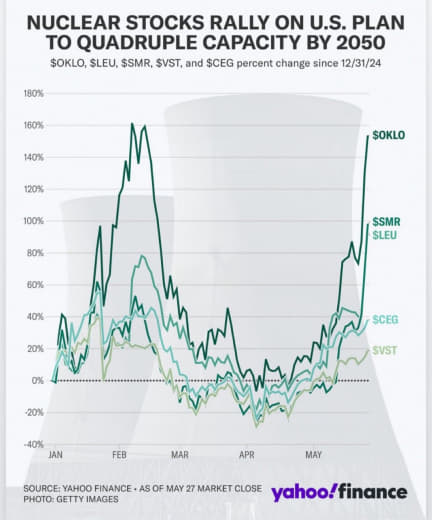
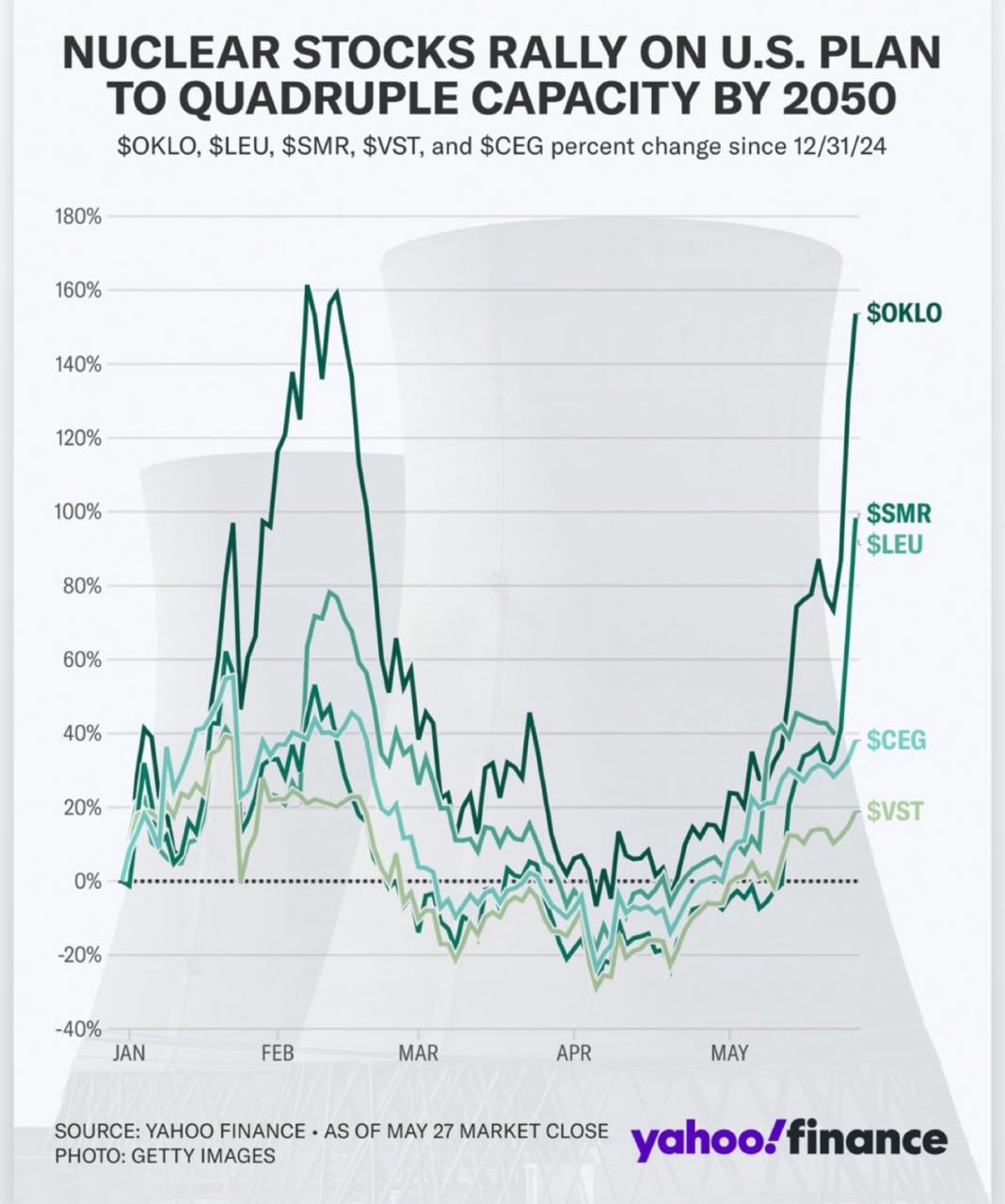
Good morning parlor as we deep dive on economics and other policy questions. May I introduce yall to the discoveries of Johannes Kepler. President trump just sign a 4 part eo deal to build 400 nuclear power plants in US and 1 of those EOs. Calls for new gold standard in science. Therefore let’s begin at the begining of modern science. With the method of Johannes Kepler. This was one of several pages created back in 2008/09. Unfortunately the original is gone but this page has most of the content and editors note there are a few math and geometry errors you’ll find should u pick up the challenge to sharpen ur science and math skills
https://www.keplersdiscovery.com/
https://www.keplersdiscovery.com/
A
10:08
Agim
PM
10:09
Paul Mourino
In reply to this message
Yes Agim news flash politicians lie
Bureau of labor and statics has poor data. What does the number 16189 mean in real terms?? I just man s planned it above 👆
Bureau of labor and statics has poor data. What does the number 16189 mean in real terms?? I just man s planned it above 👆
A
10:09
Agim
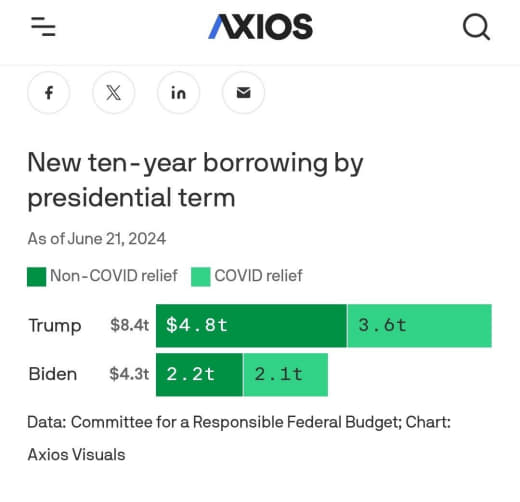
Paul ur saying biden spent less money than trump but grew the economy because it was used for government spending which isn't sustainable???
PM
10:10
Agim put politics aside for a minute and surf 🏄♂️ the Kepler page
Humor me here
Humor me here
A
10:12
Agim
So we're not to believe the spending stats?
10:12
How are we measuring the economy?
PM
10:13
Paul Mourino
There’s a difference between building 400 nuclear powers plants and 400 immigrant shelters 🤣
A
10:13
Agim
You have a different set of job growth and spending numbers?
PM
10:13
Paul Mourino
Keplerian standards
10:14
In essence we r examining number … what do the numbers mean ?
A
10:15
Agim
You think Trump is going to build 400 nuclear plants because he signed an executive order??? 😂
PM
10:15
Paul Mourino
trump eo to create a gold stand at of science is meaningless unless we have bonnified scientific knowledge.
A
10:15
Agim
That's like believe Elon musk is going to save 2 trillion dollars...😂
10:16
Believing*
PM
10:16
Paul Mourino
Meh 😑
A
10:16
Agim
I would like to see this administration get 1 nuclear plant built in 4 years.
PM
10:17
Paul Mourino
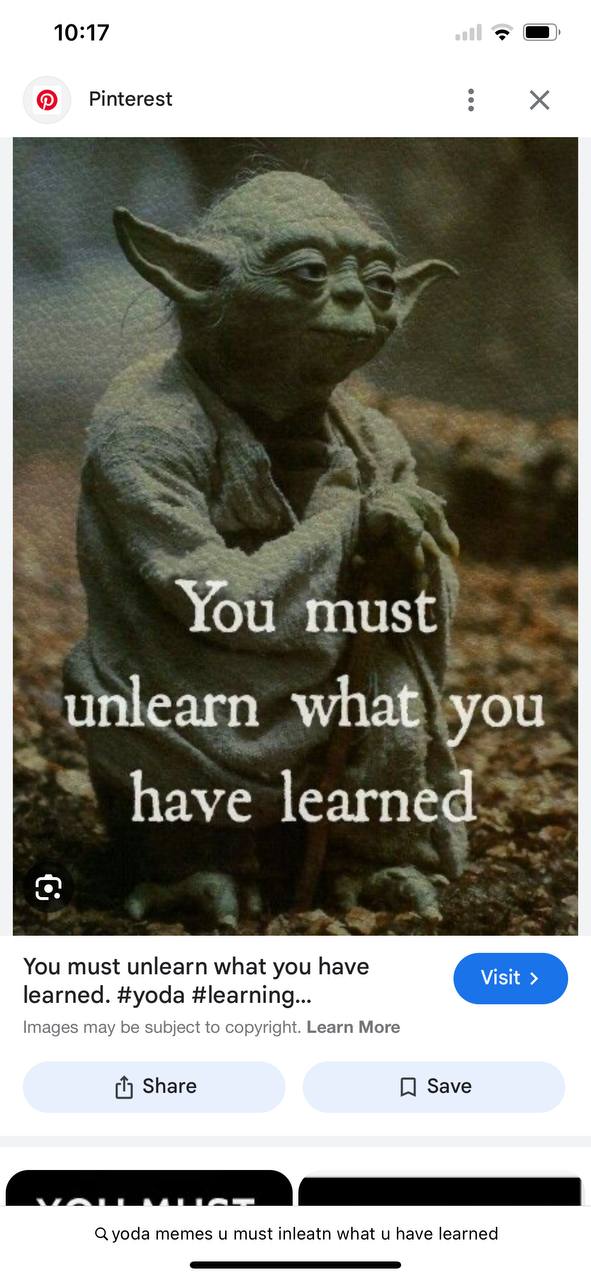
A
10:18
Agim
Lolll
PM
10:18
Paul Mourino
My young padawan
AR
10:22
Antonio Russo
MAGA here!!
PM
10:23
Paul Mourino
Good morning mark we were explore trumps new gold standard in science eo.
AR
10:23
Antonio Russo
I need everyone to invest into Trump coin, it’s at an all time low great time to invest.
PM
10:23
Yes yes we all know ur hooked on trump coin 🤣🙄
🤣
NW
AR
10:25
Antonio Russo
Paul I don’t know what that is. These Libs believe the world n global warming. 😆
10:26
The weather hasn’t been more beautiful in NY😍
PM
10:29
Paul Mourino
I gave u homework 📚 study it
AR
10:32
Antonio Russo

Paul this is the only book we need to read!
PM
10:34
Paul Mourino
All of us have opinions about things. Impressions of how we measure the universe. Sometimes we r correct on accident. Most of the time we err and proceed only by trail and error.
Here with Kepler ask yourself how do I measure and come to know the universe?
I propose u start to study his hypothesis and methods and if they prove true you’ll have a better set of tools to measure and thus understand the difference between 400 nuclear power plants vs 400 illegal immigrant shelters.
Here with Kepler ask yourself how do I measure and come to know the universe?
I propose u start to study his hypothesis and methods and if they prove true you’ll have a better set of tools to measure and thus understand the difference between 400 nuclear power plants vs 400 illegal immigrant shelters.
F
10:34
You buy 1000 bottles of wine and pour them into the Hudson isn’t the same as buying bricks and building something that lasts
❤
NW
A
10:37
Agim
So spending nearly billion dollars to retrofit a Qatari plan to become air force one I would guess is a quality spend... its not like we already have two of them in production and two in service.
F
10:38
Felipe J.
There was a recession during the Biden term (2 successive quarters of negative growth) though the fed said job growth was fine and inflation was transitory. Thats three economic lies right there
All this in the face of a 7% of gdp deficit, which is what you would do to deal with a recession.
All this in the face of a 7% of gdp deficit, which is what you would do to deal with a recession.
PM
10:38
Paul Mourino
Exactly the Qatari plane is merely a gift bag in the revolution Trump is building in the Middle East
F
10:39
Felipe J.
In reply to this message
Retrofitting planes = mechanics, skilled labourers making money from being skilled labourers
10:39
So yes that’s good spend
PM
10:39
Paul Mourino

F
10:39
Felipe J.
Bad spend is shoveling out billions of dollars in dept of energy grants so some NGOs can line their pockets
10:40
But it’s unfair to blame Biden tbf, he was basically dead the whole time
A
10:40
Agim
Trump is donating the plane to him self, I guess we're just going to over look that.
F
10:40
Felipe J.
You sound jealous
A
10:41
Agim
While Biden was dead he passed the largest infrastructure bill in American History, you remember the one Trump talking about doing for 4 years.
JW
F
10:42
Still caked in dirt from 1953?
A
10:42
Agim
Same way it looked under Trump
F
10:43
Felipe J.
I thought you said Biden got it done
🤣
NW
JW
A
10:43
Agim
Infrastructure spending starts in 2026 genius
🤣
🤣
F
10:44
Felipe J.
Damn what were they spending all that money on then if it wasn’t infrastructure 👀
10:48
NW
10:52
Nick W
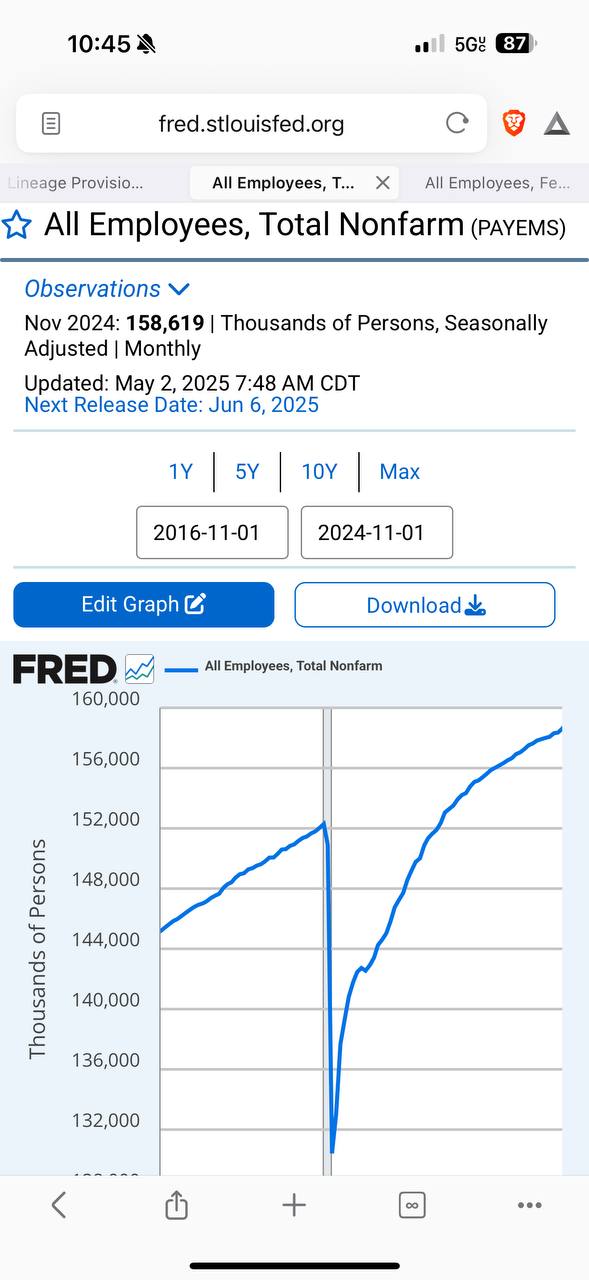
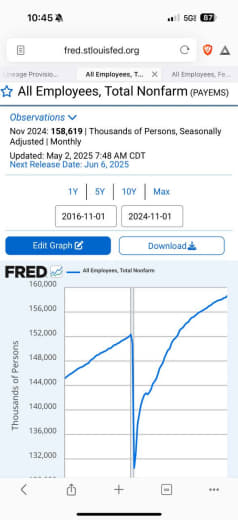
Job growth is a loaded term here, the lions share of job growth was just recovery from the job loss during the pandemic (the logic has some parallels with Obama after 2008 crisis).
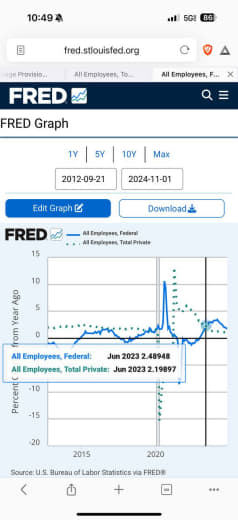
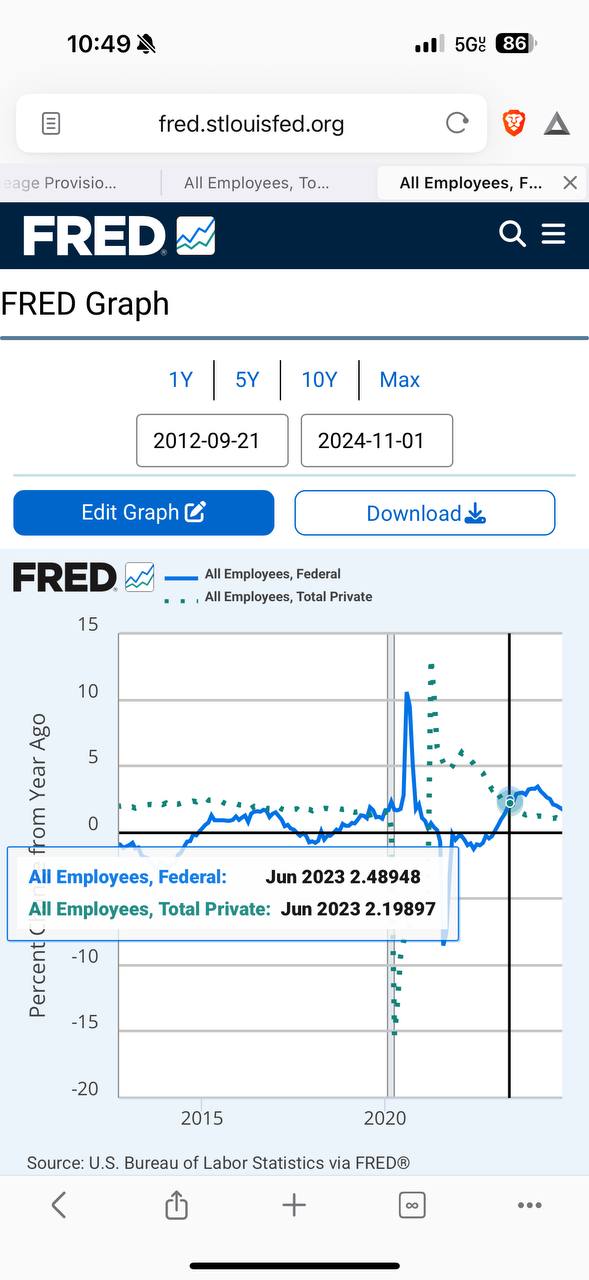
It’s also private sector jobs vs public sector jobs. The first graph is all jobs you can see the dip and the recovery that doesn’t follow the same growth as prepandemic. And the second graph is yoy percent change so you can see the declining growth in private sector vs increasing growth in public sector. And to Paul’s Kepler logic private sector job> public sector job.
❤
It’s also private sector jobs vs public sector jobs. The first graph is all jobs you can see the dip and the recovery that doesn’t follow the same growth as prepandemic. And the second graph is yoy percent change so you can see the declining growth in private sector vs increasing growth in public sector. And to Paul’s Kepler logic private sector job> public sector job.
F
10:52
10:53
And you mentioned the CHIPS act which was great in theory but there are a lot of last minute provisions snuck in allowing the Chips to be made elsewhere and not necessarily in the USA which subverts the point of the bill
A
10:54
Agim
You can cut the data to a million pieces at the end of the day democratic leadership has better job growth, better GDP and an overall better economy.
10:55
Deportations were also much higher under Obama than Trump, I know that's a big badge of honor for Republicans.. :)
NW
11:10
Nick W
Now do illegal border crossings
SΣRG ΔLΣX joined group by link from Group
AR
.MP4_thumb.jpg)
13:30
Anyone know what’s up with RFK?
13:30
Sounds like he’s trying to snitch on DJT.
13:30
Trump is not happy
JM
13:31
Jen Mak
Trump did take money from pharma companies. I mean he isn't gonna turn it down but he keeps them in check.
PM
13:55
Tax payer money funds nyc political Campsigns the bizzare case of nyc matching funds 🙄🙄🙄😵💫
NW
14:14
In reply to this message
Best case is awkwardly trying to be transparent and front run criticism.
PM
14:29
Paul Mourino
Good afternoon Sergi welcome to the parlor
NW
14:34
Nick W
In reply to this message
Interesting pivot from sending high level limited context graphs to back your perspective to “you can cut the data in a million pieces” when adding context and zooming into the data undermines your point
Kenan removed Kenan
AR
15:05
Antonio Russo
Paul Mourino will Alina Bosnell commit to not accept city funds for her election?
SΔ
15:06
SΣRG ΔLΣX
Thanks for the add
AR
15:06
Antonio Russo
Bonsell*
PM
AR
16:10
Antonio Russo
Are you not the campaign manager?
PM
16:10
Paul Mourino
She may attend June 5th event
AR
16:24
Antonio Russo
Do you believe Alina should accept city funds for her Election?
F
16:34
Felipe J.
Are you gonna vote for her if she doesn’t?
16:34
Are you going to abstain from voting for her opponent if they accept the funds?
NW
16:34
Nick W
In reply to this message
I think it’s a bit of a complicated question that gets into the nature of politics no?
The best answer is to not accept. And there’s an argument that it’s a potential first step on a slippery slope.
But another question is, do you have a chance as a candidate in a local election in NYC (especially as a Republican) competing without accepting these funds or is it just a principled forfeit?
The best answer is to not accept. And there’s an argument that it’s a potential first step on a slippery slope.
But another question is, do you have a chance as a candidate in a local election in NYC (especially as a Republican) competing without accepting these funds or is it just a principled forfeit?
16:42
In reply to this message
This goes hand in hand with the conversation from earlier, are you “doing the right / moral thing” or “the thing that will have a better ultimate outcome” by abstaining from voting when both candidates are flawed. Or is choosing the less bad candidate the better choice.
It’s not black and white but I would think the line would be is voting for the candidate a step in the right direction on x of y key issues and what ratio is acceptable.
It’s not black and white but I would think the line would be is voting for the candidate a step in the right direction on x of y key issues and what ratio is acceptable.
PM
AR
16:44
Antonio Russo
Yes I was curious what Paul’s view was on the topic as he will ultimately benefit from the program as campaign manager.
PM
16:46
Paul Mourino
Now class don’t forgot ur homework assignment
https://www.keplersdiscovery.com/
Brother Agim put forward at important question on economic numbers to which Felipe responded. And I also added in the hw for those with scientific aspirations / interests
https://www.keplersdiscovery.com/
Brother Agim put forward at important question on economic numbers to which Felipe responded. And I also added in the hw for those with scientific aspirations / interests
F
16:47
Felipe J.
I don’t think abstaining from matching funds is a winning strategy if your opponents fundraised dollars is going to be worth 8 of yours
16:48
Might seem obvious but you’re obviously putting yourself at a disadvantage for no reason other than something that won’t deliver votes which is what you should focus on as a campaign/candidste
PM
16:49
Paul Mourino
My impression of Alina’s campaign mission is that she has experienced great harm living in NYC and the result of poor to negligent policy choices by the current group there and is presenting herself as an alternative for those who wish to see nyc change for the better in terms of housing policy, infrastructure maintaince and legal / court reform. She has a debate forum tomorrow evening again other candidates
16:54
Her latest post
PM
AR
17:21
Antonio Russo
What was the “great harm” she experienced?
F
17:25
Felipe J.
Living in democrat run NYC
👎
AR
AR
17:32
Antonio Russo
In reply to this message
How do you expect him to win with dumb answers like this?
17:33
If you’re going to tell NYC Alina experienced Great Harm in this beautiful city, voters are expecting to hear What Harm??
PM
17:38
Paul Mourino
Meme of the day snow board Jesus meet ski man Washington 🫡😎
AR
17:53
Does anyone know what this Plato’s Parlor group is exactly?
PM
18:58
Paul Mourino
Hi mark the council has awarded u a second 🧌 🧌 today.
Like baseball 3 trolls ur out
❤
Like baseball 3 trolls ur out
F
AR
19:00
Antonio Russo
Excuse me? What did I do wrong??
PM
19:05
Paul Mourino
Dm me directly and we
can discuss the “book of trolls”
one on one
can discuss the “book of trolls”
one on one
AR
19:06
Antonio Russo
Yes sir, I apologize appears I may have touched a nerve somewhere along the line.
19:08
As a MAGA, I take responsibility.
PM
19:08
Paul Mourino
No biggie. There’s a difference between fun , humor, serious inquiry , and the referenced troll phenomenon. The parlor offers us an opportunity to share certain policy questions, fun memes, and efforts to improve our civic situation. Snd yes sometimes things may go too far but we strive to keep everything on a high level
AR
19:09
Antonio Russo
Yes sir, lovely 🫡
PM
19:09
Paul Mourino
There’s an understood gentlemanly or womanly esthetic we strive for … ok great moving on
AR
19:12
Antonio Russo
I have an inquiry I’d like to bring to the floor…
19:13
Has anyone been hearing this new term TACO trade on the financial floors?
AR
F
19:40
Felipe J.
It’s counterproductive
19:41
I don’t get why people complain about things on the way up then complain again when potus listens to them
19:41
Recipe to keep him… not listening to you?
AR
19:47
Antonio Russo
You don’t get why people would complain about paying more for consumer goods??
19:53
This is Bessets fault
AR
F
20:11
Felipe J.
Tariffs have been being put on since 2018 and Biden kept them on
20:12
Prices link to them very debatable
20:12
Definitely didn’t go up until the Biden stimulus and that was obviously not related to the tariffs
20:12
But ok complain about the tariffs being put on
20:13
Why are you then complaining about the removal?
AR
20:14
Antonio Russo
In reply to this message
Debatable? You’re not aware of who pays for US Tariffs??
F
20:14
Felipe J.
Anyone who says a hundred percent of the hike goes straight to the consumer is full of shit
AR
F
20:15
Felipe J.
It’s just not true and the evidence is from the past 10 years not some paper from 1973 when we were on the gold standard
20:16
In reply to this message
Well for the macro effects the theory itself (which gets bandied about by people who clearly never read it) says the first order consequence will be a rebalancing of the currencies
20:16
Which you saw in the immediate aftermath of the tariffs put on China recently for example
AR
20:17
Antonio Russo
My friend… you’re living in the clouds if you think the cost of Tariffs is not passed down to the consumer.
F
20:17
Felipe J.
So if the yuan sheds a third of its value (which it did) they already ate a third of the loss right there just on currency effects and you’re still getting the tariff money into the treasury for the government
20:18
Now if you go further into it to the micro level of the specific product in question
AR
20:18
Antonio Russo
Why in the world would a business decide ehhh you know what as goodwill gesture we will eat the cost of the tariffs and sell goods at loss.
F
AR
20:19
Antonio Russo
You’re starting to sound like Scott Bessent
F
20:19
Felipe J.
If you’re faced with selling at a loss then the White House objective was successfully achieved which is that making it in America is cheaper
AR
20:20
Antonio Russo
You think it’s going to be cheaper to make Sneakers and iPhones in America???
F
20:20
Felipe J.
So those are two specific cases
20:21
The companies involved will have a cost function which you may have learned in micro as a Cobb-Douglas production function
AR
20:22
Antonio Russo
What do think would be a fair salary for an American to make sneakers here in the great USA?
F
20:22
Felipe J.
They’ll still be made overseas
20:22
You’d have to tariff them at like 300% for it to be more economic to make sneakers in America
20:22
Maybe more
20:22
Probably more tbf
20:23
You’ve probably heard the term “beggar-thy-neighbor”
20:23
This is that
AR
20:23
Antonio Russo
And you think a kid out of college would see this a good career move to work in factory assembly line!
F
20:23
Felipe J.
The sneaker factory has very little negotiation power
20:23
So yes they eat the loss
20:24
The alternative is to return to subsistence farming
20:24
It’s not nice but it’s the truth
AR
20:24
Antonio Russo
You know people who would like to change their career into farming?
F
20:25
Felipe J.
Yes actually but I’m talking about the underage vietnamese slaves who make the shoes now
20:25
Stop being mad lol I can feel your anger through the phone
AR
20:25
Antonio Russo
You’re suggesting we increase Tariffs to bring manufacturing to the US.
F
20:25
Felipe J.
High value added manufacturing yes
20:25
Like cars
AR
20:25
Antonio Russo
I’m asking who would work these assembly lines?
F
20:26
Felipe J.
2/3 of America doesn’t have undergraduate degeees
20:26
Making cars allowed them to earn enough so their wives didn’t have to work, once upon a time
NW
20:27
Nick W
I volunteer in rural West Virginia there are people across this country who would definitely take these jobs. Not everyone has the opportunity to throw money at a college degree a large portion of which are useless.
❤
F
A
20:31
there’s also other issues at play we saw during the pandemic that countries like China prioritized their own people over exports when it came to PPE, medical devices, pharmaceuticals etc, which that specifically I can’t blame them for. It is very precarious to have a foreign nation (especially an adversary) as someone you’re beholden to for goods
20:32
There’s also the dynamic of trying to lower taxes and spending so the cost or tariffs would be lowered
AR
20:35
Antonio Russo
Yes lower taxes for corporations making billions in profits and add 50-100% tariffs to goods to cover the cost of the Tax breaks.
20:35
Is that not the plan?
PM
20:44
Paul Mourino
Mark what’s ur discipline and skill set?
20:44
I advise a different approach
🤣
NW
AR
20:51
Paul are you in favor for 100 or 200% tariffs?
PM
21:09
Paul Mourino
My answer is what ever it takes to rebuild the USA into a manufacturing power. The mission or end goal defines the prescription.
AR
21:11
Antonio Russo
Are you for being back coal and the horse and carriage back as well? 🐎
21:12
Bringing
PM
21:13
Paul Mourino
For example what level of tarriff does it take to refurbish nyc subway and mass transit system into something that’s next gen ready?
No one really knows
But For starters we need lots of power nuclear power and skill labor in construction and manufacturing
No one really knows
But For starters we need lots of power nuclear power and skill labor in construction and manufacturing
AR
21:14
Antonio Russo
What level of Tariffs to rebuild the subways???
PM
21:14
Paul Mourino
Tarriffs are a tool / instrument to help make this possible
21:14
Bruh 😎 I answered
AR
21:15
Antonio Russo
How about taxing the 1% and corporations their fair share?
NW
21:15
Nick W
In reply to this message
I wasn’t talking about corporate tax cuts I was talking about personal income tax cuts.
AR
21:15
Antonio Russo
How about they pay the same tax rate as the middle class?
PM
21:16
Paul Mourino
Look the initial promise of musk and lutnik was to remove all taxes for those earning under 150k.
Sadly we r falling short of that lofty goal because of corruption and compromise
Sadly we r falling short of that lofty goal because of corruption and compromise
21:20
My suggestion is for u to Take up the 2 papers as study projects.
NW
21:21
Nick W
This Is too libertarian but i don’t know if corporations should pay much if any taxes. The ultimate beneficiaries are people. The CEO gets a massive salary He’ll gets income taxes, the shareholders sell their shares they get taxed on their gains. One people get paid cash they get taxed.
That being said I think there should be something that taxes those taking capital gains as their many source of income equivalent to income levels.
That being said I think there should be something that taxes those taking capital gains as their many source of income equivalent to income levels.
AR
21:21
Antonio Russo
Do you think the 1% of earners should pay the same taxes as us in the middle class or they should pay less?
NW
21:22
Nick W
I personally believe in a flat tax.
❤
F
PM
21:22
Paul Mourino
Ur kind stuck in an intellectually mud hole 🕳️ mark. lol 😆
Perhaps ur assumption is greed
Perhaps ur assumption is greed
AR
21:25
Antonio Russo
Yes I assume ur assumption is correct Paul, when people making 10 million a year are paying small Lee tax rate than the cleaning lady.
PM
21:26
Paul Mourino
Again real world example and Knowledge nyc’s Times Square of 1970 wasn’t solve until Mr Marriott and nyc made a deal based on solid business practice to build the Marriott Marquis. Part of the deal was 100 years zero taxes in exchange for a project that brought exponential wealth.
21:26
The process is not based on taxing this or that income bracket it’s based on what your are building for the future
21:27
Bill deblasio tried to break the deal and renegotiate. lol 😆 tax the rich reorganize this or that. Bullshit it doesn’t work
NW
21:32
Nick W
In reply to this message
A large part of that is that in order to allegedly “tax the rich” they made an over complicated tax code that allows it to be exploited. It’s what Trump said to Hillary in a debate (that Dave Chappelle mentioned in his famous SNL monologue).
Are tax rules as written don’t have someone making 40k paying the same amount of money in taxes as someone making 10mm.
Are tax rules as written don’t have someone making 40k paying the same amount of money in taxes as someone making 10mm.
AR
21:34
Antonio Russo
In reply to this message
Tax the rich bullshit doesn’t work??? But ur ok with taxing middle consumes with 200% tariffs ?
21:35
Ur saying it’s ok for Marriott to Paz zero taxes for the next 100 years because they single handedly made NYC?
21:35
Pay zero taxes
21:42
Can all corporations take advantage of the Marriott deal?
PM
21:59
Paul Mourino
Nope 👎 there’s winners and losers in the market
21:59
Also not all projects are alike for example nuclear power plants very different set of criteria
22:00
Tech agriculture education each industry is uniquely different with different sets of criteria
22:01
For success define it by the goal.
What does it take to build xyz
Do we have the labor, skills and materials ?
Is the market a consumer or industrial model?
What does it take to build xyz
Do we have the labor, skills and materials ?
Is the market a consumer or industrial model?
F
22:10
Felipe J.
In reply to this message
Guess i wasted my time explaining the suppliers are gonna have to eat the lions share of the tariff bill 🤣
🤣
NW
AR
22:12
Antonio Russo
In reply to this message
What would Walmart have to do to pay zero taxes like Marriott?
PM
22:35
Paul Mourino
Part of the big problem is the governments tax regime is so very complicated and industry specific. What works in one place will not work in another.
Fir me start with the American system of political economy Hamilton
Fir me start with the American system of political economy Hamilton
AR
22:45
Antonio Russo
Correct works Great for Marriott, why should they pay taxes, they’re doing a great job. 👏
22:46
We will just let the middle class pay the taxes to upkeep Times Square and surrounding neighborhoods.
22:48
We wouldn’t want to interrupt Mr. Marriott and his executives multimillion dollar bonuses
22:49
It’s like charity work what they do for the community housing tourists for $600 a night, with 2000 rooms.
PM
22:54
Paul Mourino
Hamilton please study Hamilton three reports to congress then let’s return to this topic.
AR
22:56
Antonio Russo
Hamilton??
22:56
This isn’t 1764 we’re 2025 sir…
👎
NW
F
23:01
Felipe J.
Y u mad tho
AR
23:01
Antonio Russo
Mad??
23:01
This is called politics sir
F
23:02
Felipe J.
You sound mad
PM
23:06
Paul Mourino
Alexander Hamilton yes that’s the guy. Alejandro if u prefer 😆
🤣
F
29 May 2025
NW
00:59
Nick W
In reply to this message
I believe the NYC deal isn’t related to federal taxes deals of that nature are related to local and sometimes state taxes as an incentive. Context is also key here - though I wasn’t around then NYC in the 70s was a symbol of urban decline - dilapidated, corrupt, and crime ridden. And the Time Square area, especially was full of porn theaters, peep shows, sex shops, drug dealing, prostitution and other crimes. So a deal like that was basically a bribe to a business to come to an area that wasn’t high on the list - to bring jobs catalyze redevelopment and actually demolish some of the buildings associated with with crime and sex work. So it’s missing the point to look at 2025 NYC and say it was a bad deal
01:07
Looking at NYC now I can’t fully imagine how bad it was so I can’t criticize that deal for that reason.
But I don’t love deals of this type because they give special terms to specific companies. For example a recent deal that held up was the Amazon deal (during I believe Trump’s first term). It gave Amazon all sorts of tax breaks and was ultimately torpedoed by AOC’s activism. I don’t think that deal was right or fair. I think the answer in that case would be to create business friendly policies (and tax rates) instead of carve outs for hand selected winners.
So maybe certain situations dictate it but I don’t love it as a common practice.
👍
But I don’t love deals of this type because they give special terms to specific companies. For example a recent deal that held up was the Amazon deal (during I believe Trump’s first term). It gave Amazon all sorts of tax breaks and was ultimately torpedoed by AOC’s activism. I don’t think that deal was right or fair. I think the answer in that case would be to create business friendly policies (and tax rates) instead of carve outs for hand selected winners.
So maybe certain situations dictate it but I don’t love it as a common practice.
AR
01:08
Sorry for the book lol
AR
01:18
Antonio Russo
In reply to this message
Nick, Great Response! This is what I was looking for… I’m glad you didn’t ask us to study Hamiltons letters to congress or Keplers Nuclear report… good work!
NW
02:40
Nick W
Happy to help distill it but don’t be so dismissive of those larger ideas as those insights help inform these discussions.
PM
07:35
Paul Mourino
In reply to this message
I disagree it would have provided economic opportunity to a lot of people in the district and filled 1 or two of those empty 60 foot towers in Long Island city.
07:38
Strategy session Okeefe w PBD 😎
07:43
Special esthetics from Schiller
Will wertz…
These two epigrams by the German poet Friedrich Schiller, which I translated into English, are worth considering in today's contentious world.
The Common Fate
See, how we hate, how we quarrel, opinion and bias divide us,
Meanwhile however thy locks whiten just like those of mine.
Friend and Foe
Dear is the friend to me, yet too from the foe can I profit.
Shows me the friend, what I can, tells me the foe, what I should.
https://www.facebook.com/share/p/16aBUxxcKX/?mibextid=wwXIfr
Will wertz…
These two epigrams by the German poet Friedrich Schiller, which I translated into English, are worth considering in today's contentious world.
The Common Fate
See, how we hate, how we quarrel, opinion and bias divide us,
Meanwhile however thy locks whiten just like those of mine.
Friend and Foe
Dear is the friend to me, yet too from the foe can I profit.
Shows me the friend, what I can, tells me the foe, what I should.
https://www.facebook.com/share/p/16aBUxxcKX/?mibextid=wwXIfr
AR
07:45
Antonio Russo
Good Morning MAGA!!
07:47
Markets are soaring today after the Tariff ruling.
PM
08:04
Paul Mourino

Good morning MAGA MAHA is awake and kicking . I trust U have prepared ur portfolio to prosper from max volatility.
❤
F
LW
AR
08:17
Antonio Russo
I have inquiry I would like to bring to the floor.
08:18
I’m announcing here I would like to join the Alina Bonsell campaign!!
08:20
Paul, considering Alina has only raised a little over $2,000 thus far which isn’t enough to run a lemonade stand let alone a city council campaign, I would like to offer my support.
08:23
This campaign appears to be in serious need of my help, I’m willing to set some time a side at a fair discounted rate of $350 per hour, I will also look into brining in Nick and Felipe as volunteers.
NW
08:27
Nick W
In reply to this message
So you really think the answer is to give a large corporation special carve outs instead of improving anti-business fiscal and tax policies? Seems an awful lot like government picking winners and losers to me.
PM
08:47
Paul Mourino
Depends on the deals specifics , industry, tech etc.
Example. Hamilton and Erie Canal project. Ohio and opening the west would not have ever happened without it. Hamilton creation of the federal system, paper and debt 💸, and useful manufacturers were all necessary to enable the Ohio territory and the Louisiana purchase to be successfully integrated into the American System.
That being said not every business deal / proposal is strategic and necessary. Everything has a place the question for us to answer is it just good necessary and economically feasible.
Example. Hamilton and Erie Canal project. Ohio and opening the west would not have ever happened without it. Hamilton creation of the federal system, paper and debt 💸, and useful manufacturers were all necessary to enable the Ohio territory and the Louisiana purchase to be successfully integrated into the American System.
That being said not every business deal / proposal is strategic and necessary. Everything has a place the question for us to answer is it just good necessary and economically feasible.
AR
PM
08:49
Paul Mourino
In reply to this message
If u want to support her u may contribute financially and or speak with her about her work and the campaign. Send her a DM.
AR
08:49
Antonio Russo
Yes I would very much like do so
PM
08:49
Paul Mourino
In reply to this message
I’m sure Nick and Felipe will speak for themselves and decide accordingly
AR
08:50
Antonio Russo
Are you still the campaign manager?
AR
09:23
The left is losing it over TACO Trader
09:35
Paul Hamilton Mourino, how do we join the Alina Bonsell campaign??
PM
09:39
Follow her on Instagram and attend meet the candidate event tonight on Roosevelt island
AR
09:51
Antonio Russo
Great will do!
PM
10:31
Ok normies brace for impact.
AR
10:51
Antonio Russo
Is this the same group who were going to release all of the Epstein files?
10:53
Now that the Tariffs are dead in the water and the US treasury is now required to return all the money it collected, how will the economy be impacted?
PM
11:05
Paul Mourino
Snow board Jesus & Washington hitting the slopes
Meme of the day
https://www.instagram.com/reel/DKFYePepMoa/?igsh=a3RpOG8zNXFpZ2o0
Meme of the day
https://www.instagram.com/reel/DKFYePepMoa/?igsh=a3RpOG8zNXFpZ2o0
AR
11:29
Antonio Russo
In reply to this message
Paul Mourino you sent us this already, we’re all confused . What does this have to do with the state of economy?
AR
11:45
Antonio Russo
Paul will you be speaking at Alina Bonsell event tonight? I would like to join you on stage if possible.
AR
12:32
Antonio Russo
Will anyone else be joining Paul and I?
PM
12:43
Paul Mourino
We will see at the event
12:44

12:44

12:44
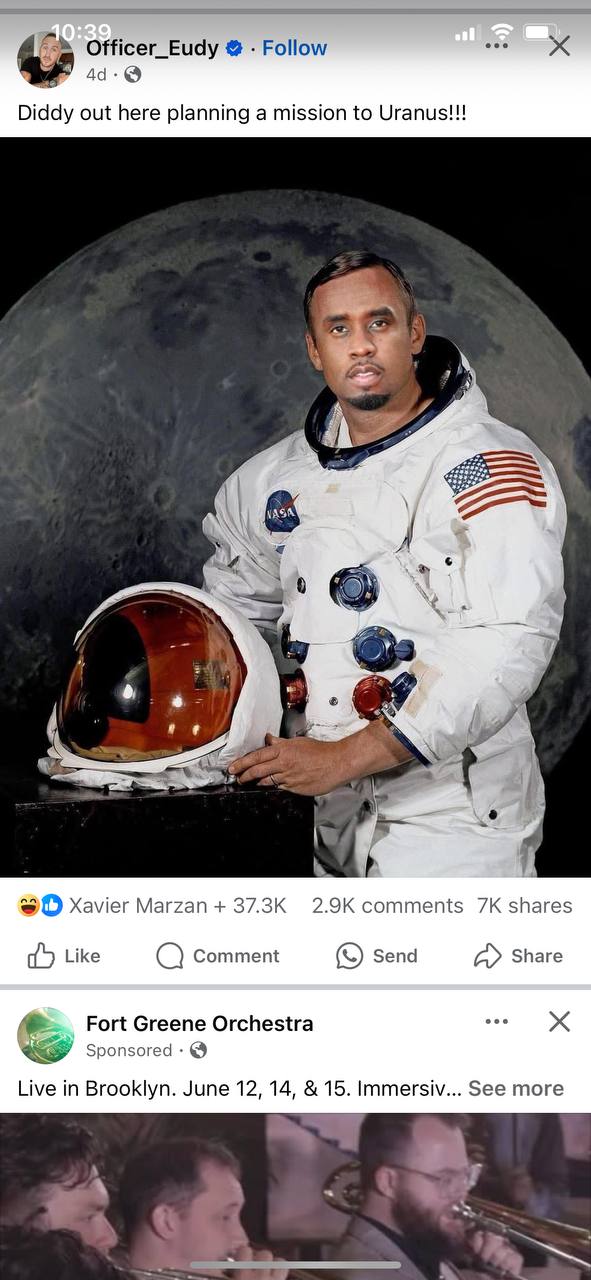
12:44
12:44

12:44
12:44
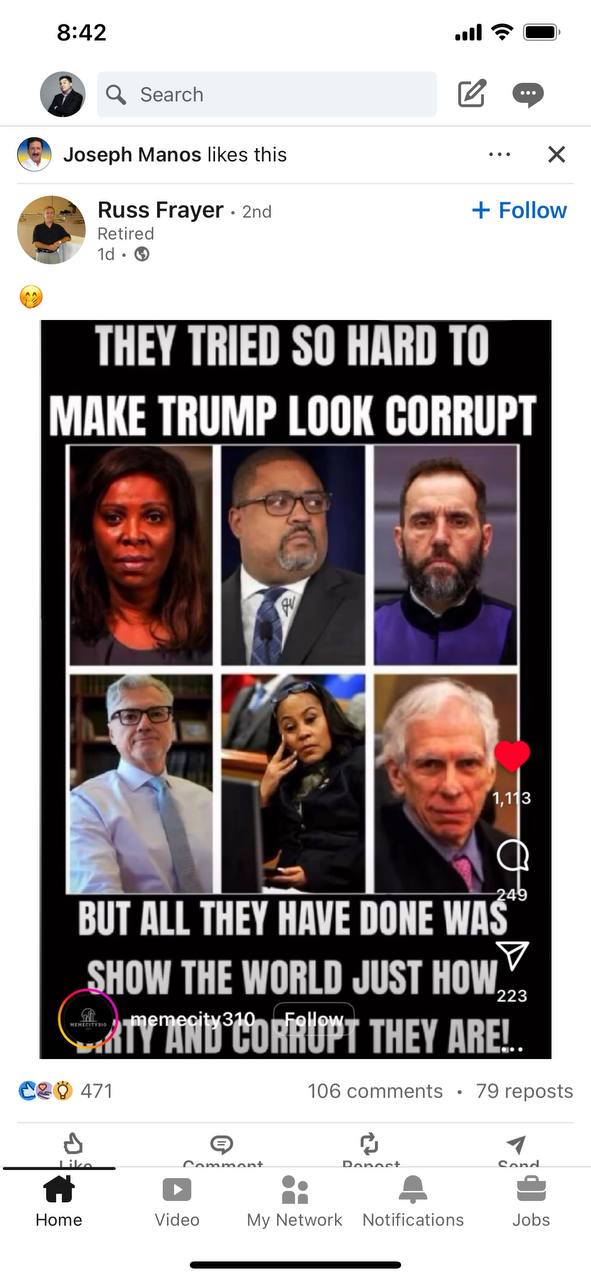
12:44

12:44
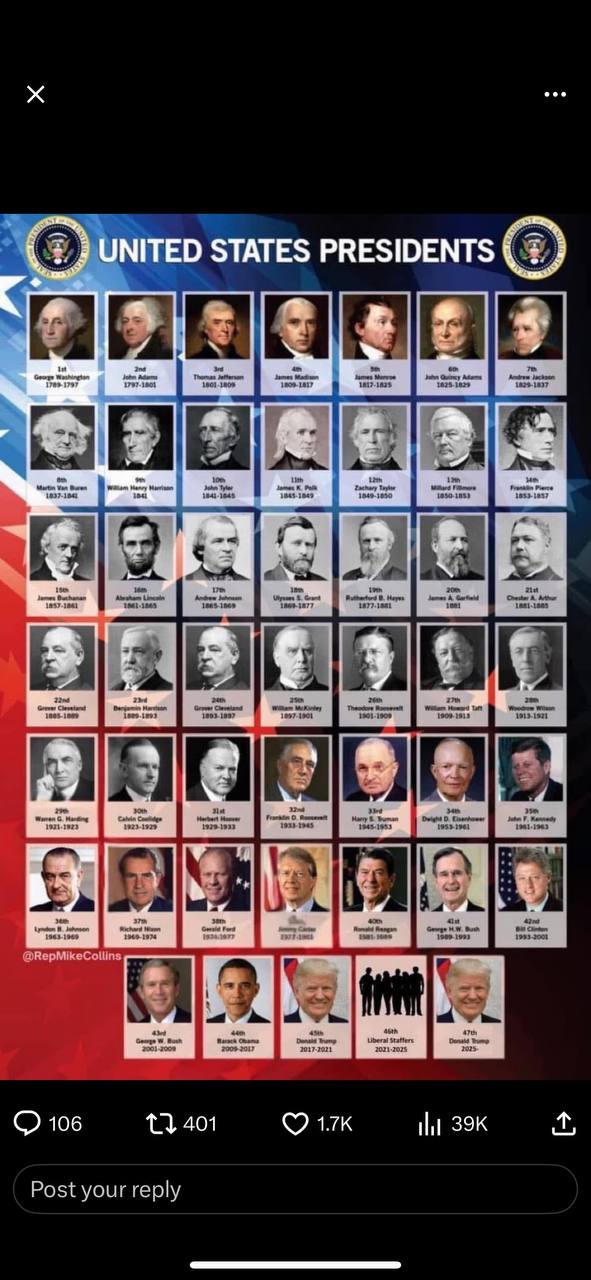
12:44
Memes of the day.
A modest harvest today
A modest harvest today
AR
13:05
Anyone have any input on the TACO trader that’s going around?
F
13:22
Felipe J.
Curious way of thanking him for doing what you asked him to do
PM
13:40
Paul Mourino
In reply to this message
Get on Bannon’s war room this morning for briefing dei Peter Navarro and Bannon.
Courts don’t believe there’s an emergency. Since when do courts decide economic and security policy. It’s kinda outside their domain. This will play out over this summer. It ain’t over till it’s over
Tarriffs r 1 of many tools to help rebuild America’s industrial economy
Courts don’t believe there’s an emergency. Since when do courts decide economic and security policy. It’s kinda outside their domain. This will play out over this summer. It ain’t over till it’s over
Tarriffs r 1 of many tools to help rebuild America’s industrial economy
13:43
How’s ur homework mark. There’s a multiple guess quizz on Hamilton tonight 😆🤓
❤
F
AR
13:44
Antonio Russo
I’m reading all of Hamiltons letters to congress… I can’t find anything on Tariffs.
PM
13:45
Paul Mourino
All the letters wow that’s great
Will settle for report of useful manufacturers , debt and credit, and a national bank
Will settle for report of useful manufacturers , debt and credit, and a national bank
AR
13:45
Antonio Russo
In reply to this message
The courts which were made of republican appointees decided it was illegal.
13:47
Paul believes it’s patriotic to pay more at the grocery store! 😂
PM
13:47
Paul Mourino
lol 😆 again these judges r operating outside their domain. But we have had 50-80 years of this sop (standard operating practice) therefore it’s gonna take time to resolve
13:48
In reply to this message
Instead of complaining.
Start a farm then raise some hogs and chickens.
Start a farm then raise some hogs and chickens.
AR
13:49
Antonio Russo
In reply to this message
Out of there domain?? It was the court of international trade!
PM
13:50
Paul Mourino
Again where were these international courts when 10-20 million illegals were entering the us.
❤
F
13:50
🥱😵💫
13:51
Sadly, lady justice ain’t blind
she’s been well paid. 💰
she’s been well paid. 💰
13:58
The cyberpunk who hacked into the television system at the Department of Housing and Urban Development (HUD) in February to display a vile, AI-generated video of President Trump kissing the feet of Elon Musk breached the department during taxpayer-funded union time, a whistleblower has alleged.
The hacker — whose name has not been made public because the matter is still under investigation — was identified by the feds earlier this year as a high-ranking official at the American Federation of Government Employees (AFGE) Local 476, a union that represents HUD and other government workers, the whistleblower told Sen. Joni Ernst (R-Iowa).
“Reports of union bosses playing childish games and illegally engaging in partisan political activity while on the taxpayers’ dime are the latest in a string of concerning allegations against HUD employees in recent years,” Ernst told The Post.
https://nypost.com/2025/05/29/us-news/cyberpunk-behind-hud-ai-video-of-trump-kissing-musks-feet-was-on-taxpayer-funded-union-time-whistleblower/
😭
The hacker — whose name has not been made public because the matter is still under investigation — was identified by the feds earlier this year as a high-ranking official at the American Federation of Government Employees (AFGE) Local 476, a union that represents HUD and other government workers, the whistleblower told Sen. Joni Ernst (R-Iowa).
“Reports of union bosses playing childish games and illegally engaging in partisan political activity while on the taxpayers’ dime are the latest in a string of concerning allegations against HUD employees in recent years,” Ernst told The Post.
https://nypost.com/2025/05/29/us-news/cyberpunk-behind-hud-ai-video-of-trump-kissing-musks-feet-was-on-taxpayer-funded-union-time-whistleblower/
AR
AR
14:20
Antonio Russo
In reply to this message
International trade court does not deal with immigration. 🤦♂️
14:22
Immigration asylum laws need to be changed by congress!
14:32
Anyone else joining Paul and I?
PM
14:32
Paul Mourino
Rules for thee not for me situation
That’s the easiest way to explain it
That’s the easiest way to explain it
AR
14:34
Antonio Russo
Paul where should we meet?
PM
14:58
Paul Mourino
Dm me ur phone number and I’ll call u at 7/730 on site
👍
AR
AR
15:16
Antonio Russo
Should I prepare a speech?
AR
PM
F
AR
F
16:27
Felipe J.
Don’t see anyone complaining about the courts bringing instability to the policy 😌
AR
16:29
It appear Steven Millers wife is leaving to work with Musk.
16:29
What are the odd Mrs. Miller has Musk baby in 6 months?
16:30
Odds*
JW
16:32
Sorry that was bad
16:34
Case: Ashley SC sh*ts on women who have multiple baby dadas out of wedlock and does it anyways bc the kid could possibly inherit the autistic gene and be on the genius side
16:35
*baby daddies sorry
16:36
Misgendered
🤣
F
AR
17:44
Antonio Russo
Paul, I’m not going to be able to make it tonight, Knicks game is on tonight…
PM
19:05
Paul Mourino
lol 😆 ok but the commitment.
19:06
Contribute something small to Alina tonight. Give a little something to the kitty
19:07
Throw in 25 bucks and we will forgive
AR
21:13
Antonio Russo
Let’s Go Knicks!!
F
22:07
Felipe J.
R
Raheem Kassam 29.05.2025 21:39:42
NEW: BREAKING: Former NYPD Commissioner and Hero to the MAGA Movement Bernard B. Kerik Has Died.
https://thenationalpulse.com/2025/05/29/breaking-former-nypd-commissioner-and-hero-to-the-maga-movement-bernard-b-kerik-has-died/?feed_id=53035&_unique_id=68390c5da69a9
https://thenationalpulse.com/2025/05/29/breaking-former-nypd-commissioner-and-hero-to-the-maga-movement-bernard-b-kerik-has-died/?feed_id=53035&_unique_id=68390c5da69a9
JW
22:08
Joyce Wu
He was also a lobbyist for Qatar btw
22:10
Skin cancer
30 May 2025
AR
07:44
Antonio Russo
Good Morning MAGA!
07:44
Paul, how much money did we raise yesterday?
PM
07:49
Paul Mourino
Mark did u do ur part ?
PM
08:06
Ms Sargon on the hunt again
AR
08:34
Antonio Russo
In reply to this message
Yes sir, although I wasn’t able to raise any money Knicks game was on last Night.
PM
08:51
Paul Mourino
In reply to this message
Unfortunately I do not see ur 25$ contribution in the system
AR
09:07
Antonio Russo
I’m waiting to be hired by the campaign.
PM
09:11
Paul Mourino
Sorry mark. Don’t hire troll 🧌 s
AR
AR
09:31
Antonio Russo
If the campaign wants my services they have to pay! 💰
09:43

09:44
According to news sources it was the Trump administration that asked if they can have the ✈️
PM
10:15
Paul Mourino

10:15
War counsel to convene
The honor of ur attendance is requested
❤
The honor of ur attendance is requested
F
AR
10:21
Antonio Russo
We will be there!
10:23
How do we get on the panel?
10:32
Will you be reading Hamiltons letters to congress?
AR

AR
14:13
Antonio Russo
If you thought Stephen Miller hated immigrants before wait to see how he feels about Musk. 😯
NW
14:19
Was it Trump or Miller? lol jk but funny timing that I got this update right after the last messages.
😭
AR
AR
14:33
Antonio Russo
Has anyone heard from Hamilton? He’s been awfully quiet today.
F
16:28
Felipe J.
E
Edward Dowd 30.05.2025 16:09:01
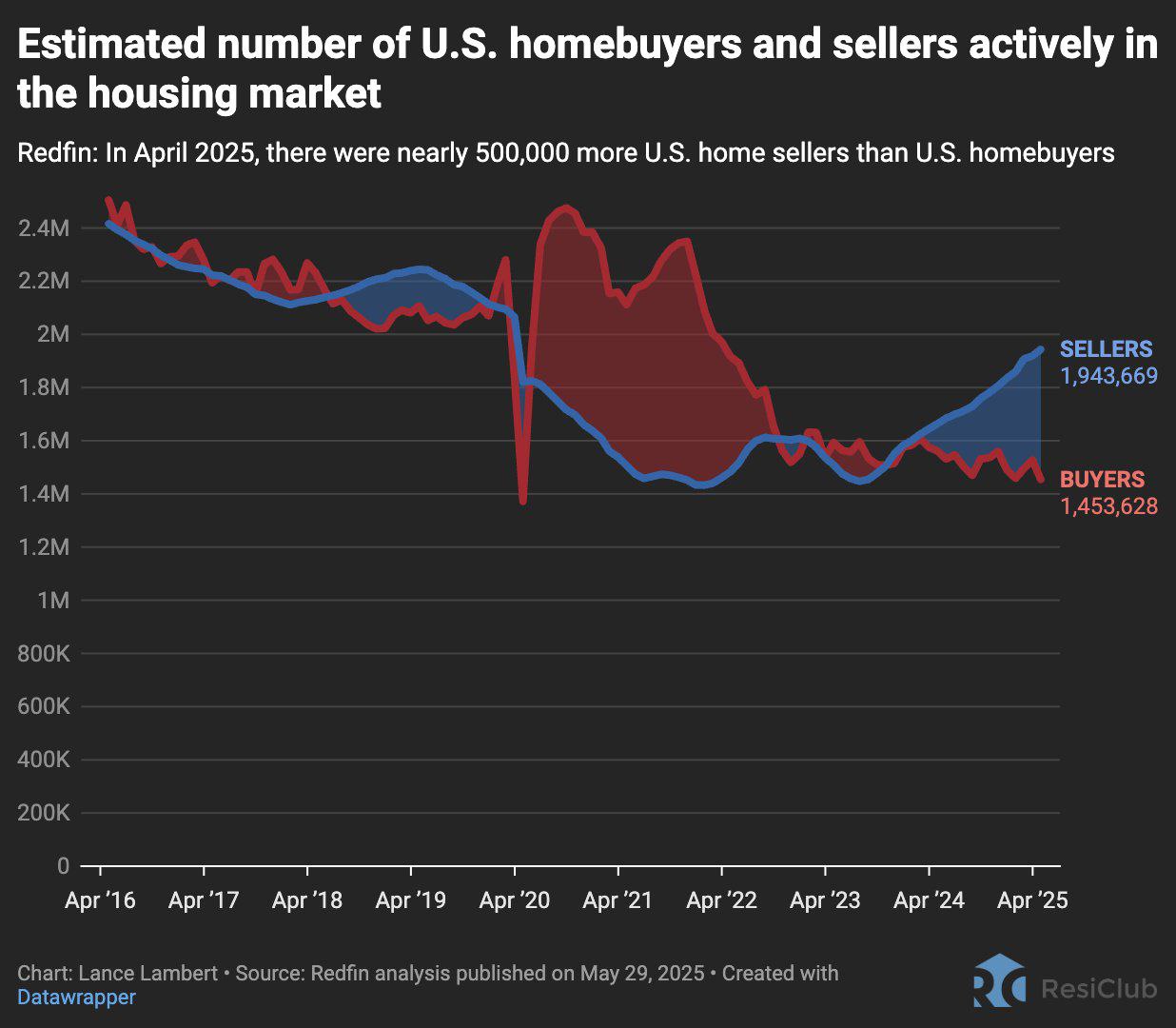
U.S. housing market now has 500,000 more home sellers than homebuyers
That’s the most homebuyers have outmatched home sellers in over a decade, according to Redfin
EDWARD DOWD
That’s the most homebuyers have outmatched home sellers in over a decade, according to Redfin
EDWARD DOWD
F
16:28
Felipe J.
Trump Media Raises $2.32B—Bitcoin Treasury and Big Moves Ahead | Bitcoin.com News
https://news.bitcoin.com/trump-media-raises-2-32b-bitcoin-treasury-and-big-moves-ahead/
https://news.bitcoin.com/trump-media-raises-2-32b-bitcoin-treasury-and-big-moves-ahead/
PM
21:16
Morpheus 2.0 😎
21:28
Special thankyou to Elon musk as he wraps up his DOGE tenure
https://rumble.com/v6u3l6d-watch-president-trump-and-elon-musk-hold-a-press-conference-53025.html
https://rumble.com/v6u3l6d-watch-president-trump-and-elon-musk-hold-a-press-conference-53025.html
22:28
“These Hoes ain’t loyal”
22:29
Hopefully the DOGE team is full of geniuses
31 May 2025
AR
00:10
Antonio Russo
In reply to this message
A special thank you to Donald Trump for finally getting rid of this coward , gutless, piece of garbage. who was too chicken to go after the Defense Department for waste fraud and abuse with a trillion dollars annual budget… Instead decides he would go after funding for less than .03% of the budget for kids living in the poorest parts of the word, he would inflict as much pain, death and starvation on the poorest people in the world!! USAID said he has blood of starving kids on his hand. Good riddance to this coward!
⚡
01:33
⚡️ Chris ⚡️
Defending USAID, So Cringe
01:33
You a libtard?
🤣
F
JW
PM
06:31
Paul Mourino
In reply to this message
Oh yes did u see the interviews last month? All of these guys here are either business owners or highly successful technicians in their discipline.
06:38
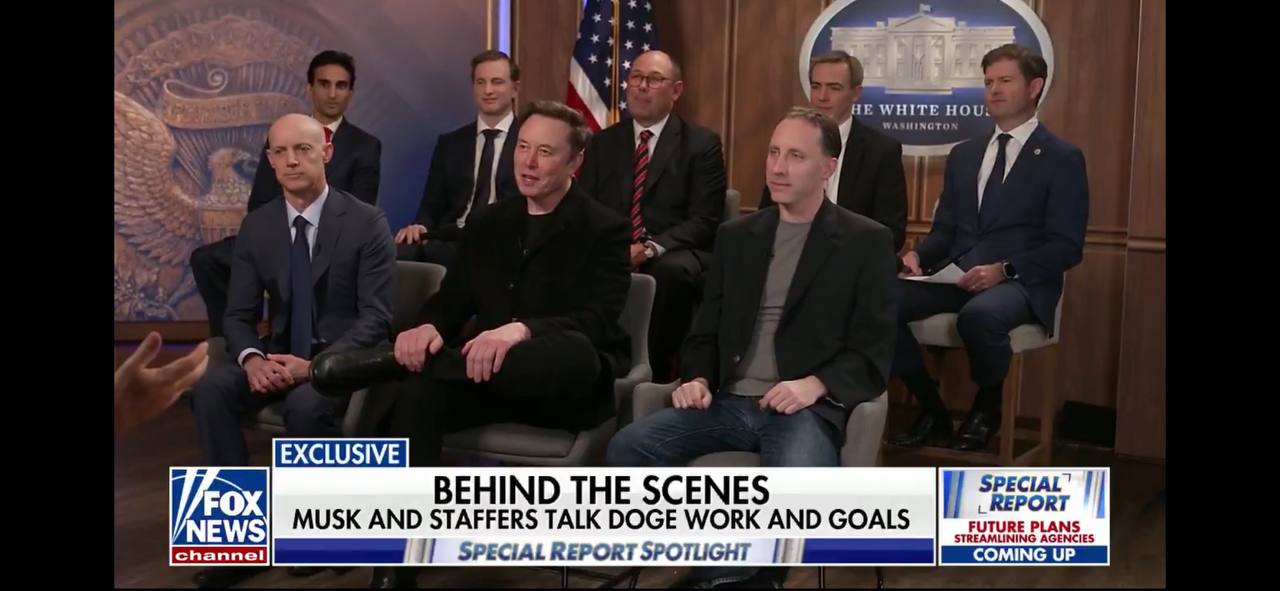
06:38
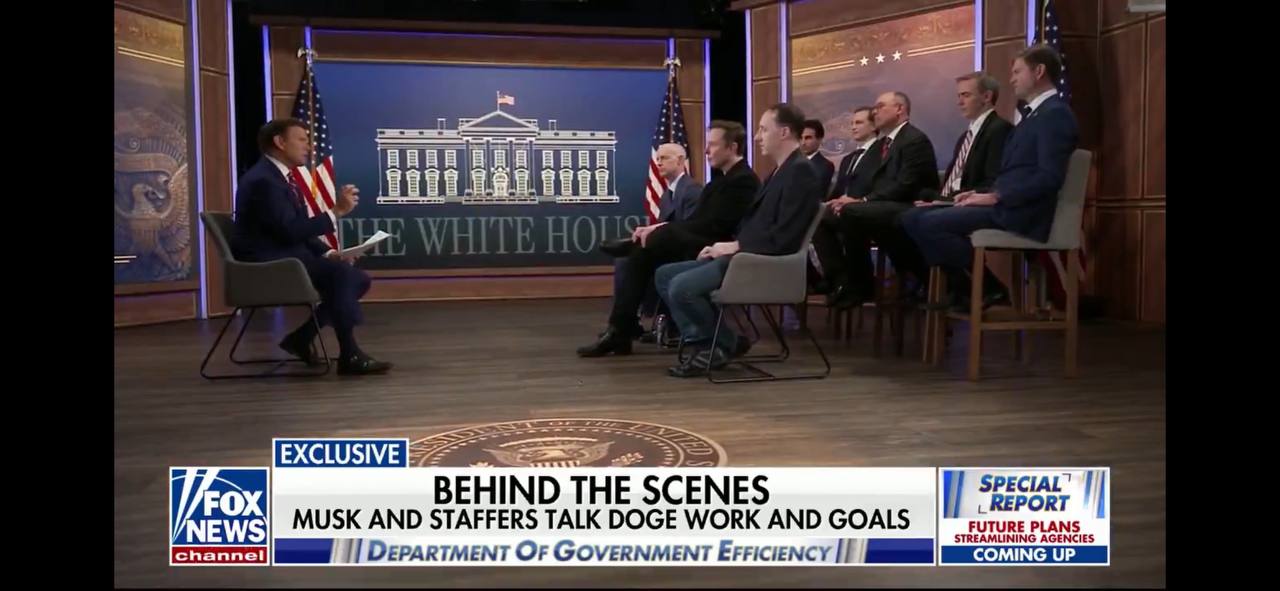
06:38
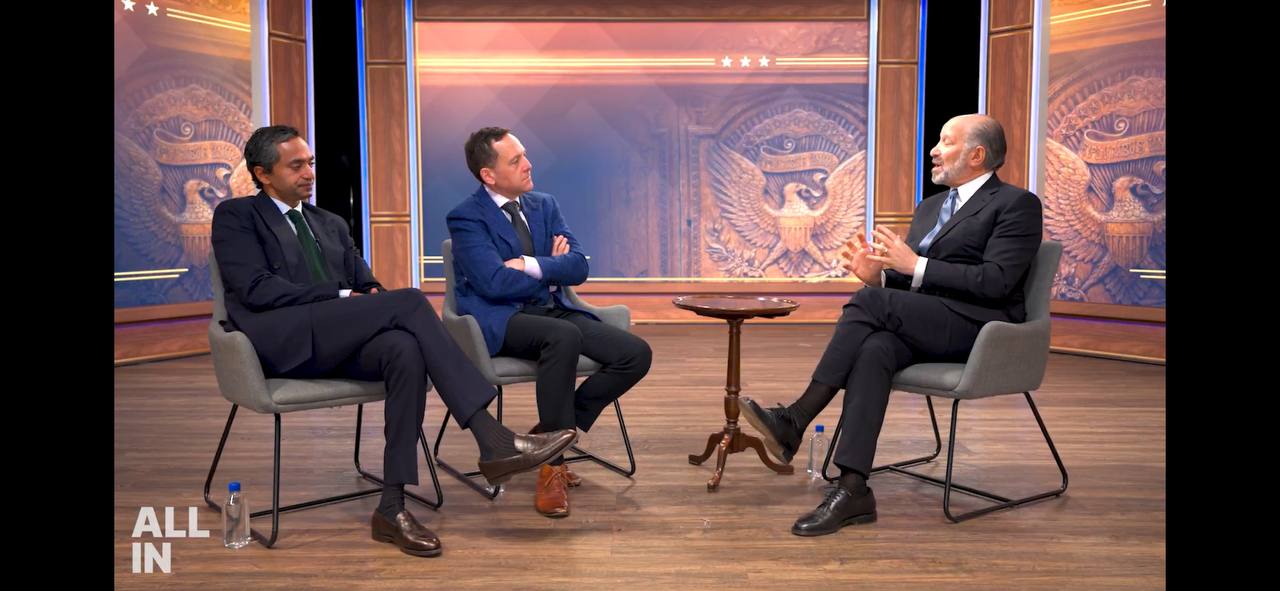
PM
07:05
Glenn beck and Bannon issue marching orders to DOJ … time to move move move
https://www.instagram.com/reel/DIwj1BmOWyY/?igsh=NTM1d3hoMjk2azl5
https://www.instagram.com/reel/DIwj1BmOWyY/?igsh=NTM1d3hoMjk2azl5
JW
09:34
They are starting the psyops
AR
09:58
Antonio Russo
Good Morning MAGA!
AR
10:22

F
10:27
Felipe J.
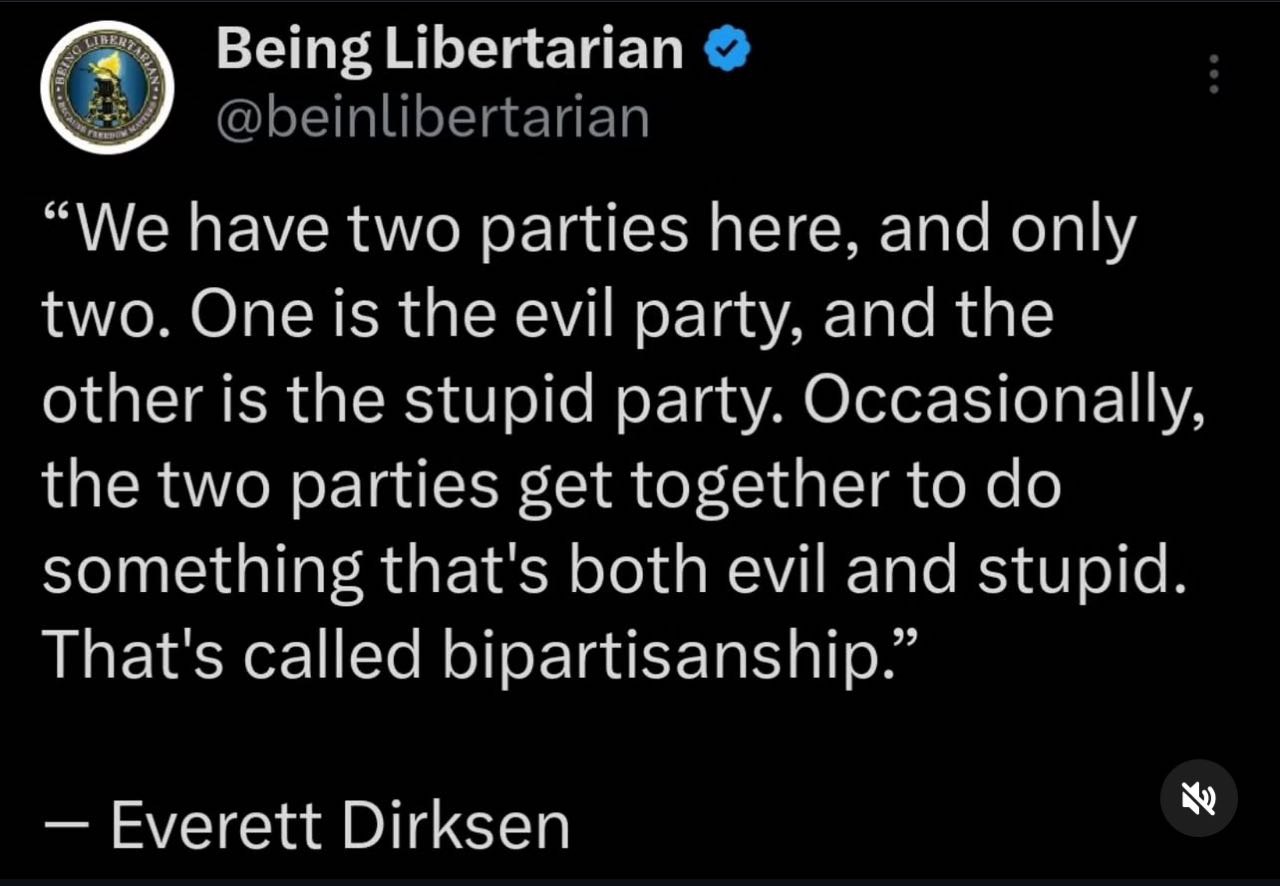
JW
JW
10:28
Joyce Wu
Dark MAGA has to clean 🧼 all this bipartisanship mess
10:29
10:40
Miller is AWESOME
❤
F
PM
11:10
Paul Mourino
lol Saturday morning memes
11:11
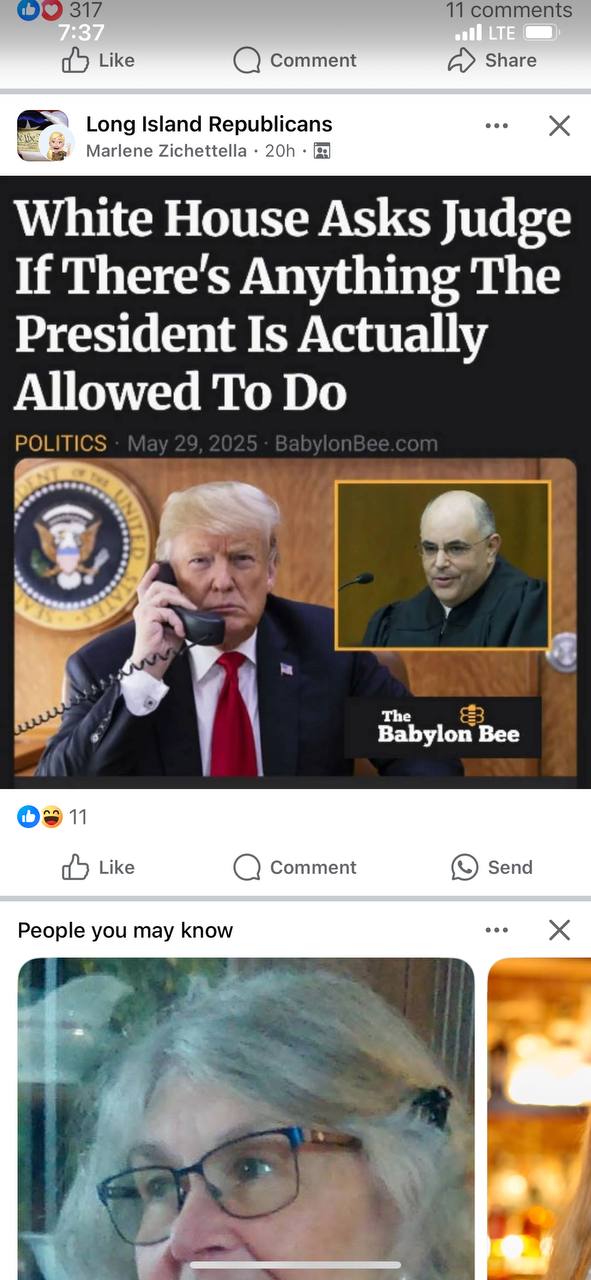
11:11

11:11
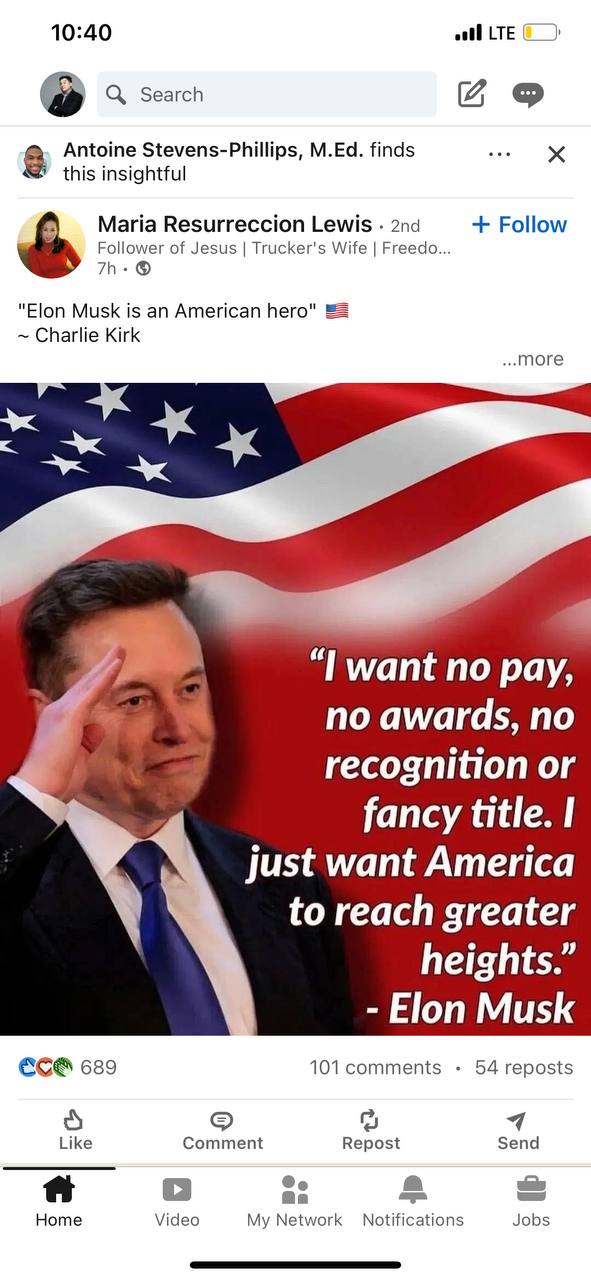
11:11
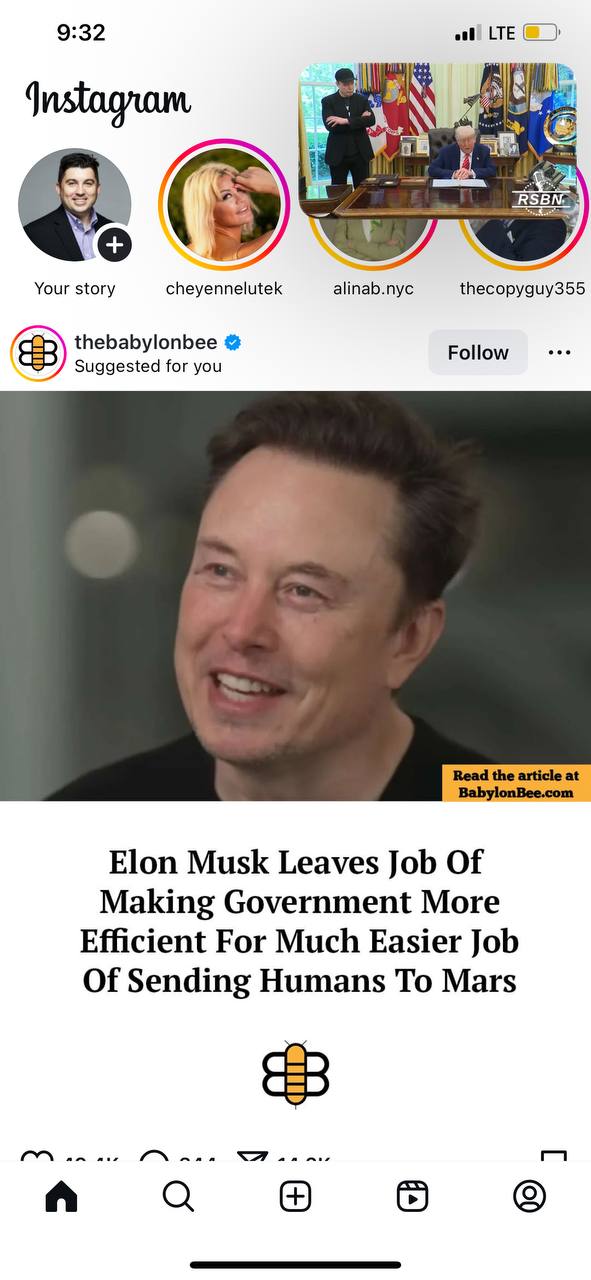
11:11
11:11
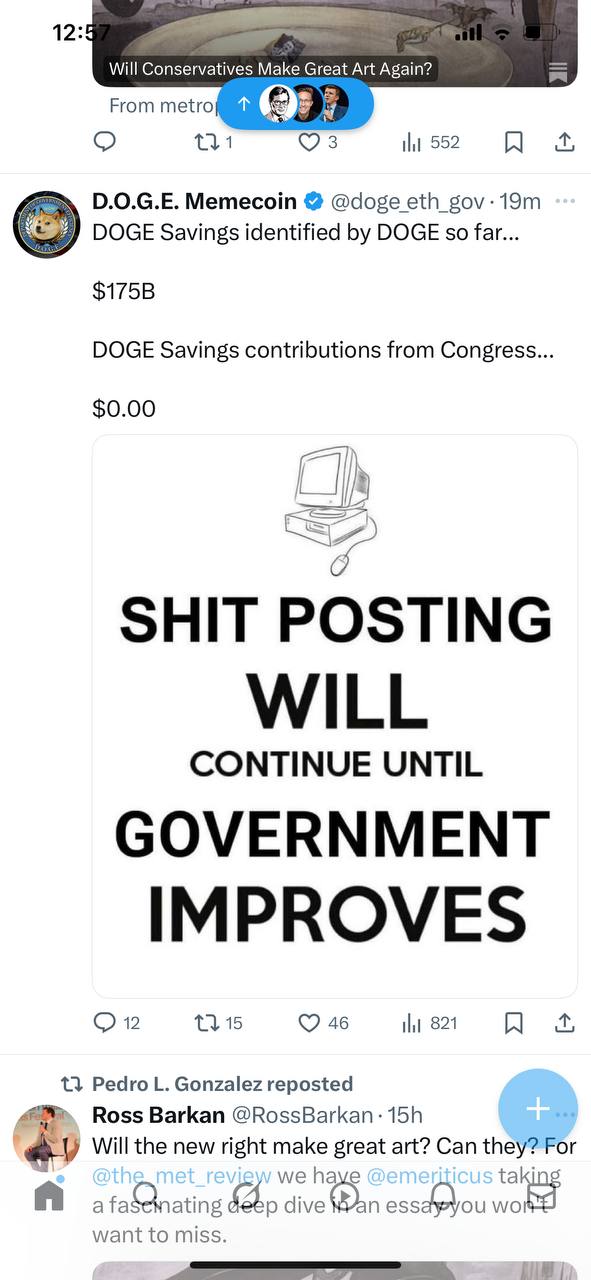
11:11
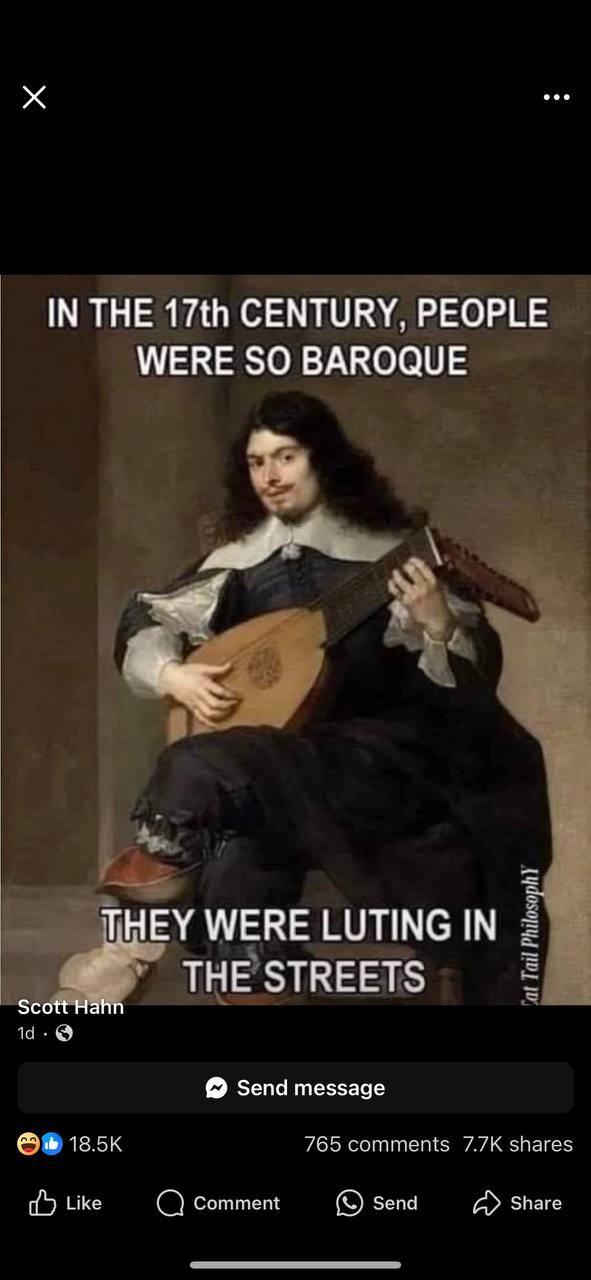
11:11

11:11

11:11

11:11

AR
AR
12:47
Antonio Russo
Chris you must refrain from sticking cucumbers up your butt, the Chinese are trying to poison us. 🤪
⚡

12:56
My reaction to this
🤣
F
12:57
Sorry the global south isn’t entitled to our money.
We are an empire in decline. Time to reel back the gibs
👍
We are an empire in decline. Time to reel back the gibs
JW
12:59
Also I’m never going to complain that liberals and deep state spooks lose money to conduct their agenda globally.
But we can agree that DOGE has been weak sauce. We should be firing more federal employees
❤
But we can agree that DOGE has been weak sauce. We should be firing more federal employees
F
12:59
Would love to see DC totally hollowed out
13:00
DC is the most liberal city in America. We are subsidizing the democrats through our tax dollars. Time to turn off the spigot.
AR
13:17
In reply to this message
Yeah good idea we’ll just let people and corporations govern themselves, why could go wrong… moron ☝️
13:17
What*
⚡
13:32
⚡️ Chris ⚡️
Fire the liberals in government and fill them with conservatives. Simple as. Can’t be any worse than what we currently have.
❤
PM
F
AR
13:37
Antonio Russo
In reply to this message
What you think this communist China… Let the adults handle this sir you should like a child.
⚡
13:39
⚡️ Chris ⚡️
The “adults in the room” have given us what we currently have. No thanks
❤
PM
F
AR
13:41
Antonio Russo
Yeah cause we have it so bad…
13:42
We’re patriots here son 🇺🇸
13:42
You can cry to mommy about how bad the libs are treating you.
13:43
We’re here to work across the aisle
⚡
13:44
⚡️ Chris ⚡️
Wow Thank god I can buy a cheap flat screen, while American kids are getting corrupted by almost every cultural institution and our government is used by libtards to promote homosexuality in Botswana.
❤
F
13:44
Awesome
13:44
Great country
NW
13:44
Nick W
In reply to this message
If you read the acronym U.S.A.I.D. (The United States Agency for International Development) and believe that the vast majority of its expenditures are going to “feeding starving kids” you’re not paying attention
👍
JW
⚡
F
AR
13:46
Antonio Russo
In reply to this message
Never said it was all going to starving kids, Elon decided to cut the only portion that was for no apparent reason.
13:47
In reply to this message
Just because Scott Bessent likes things up his butt doesn’t make him a bad guy, his policies do!
⚡
13:59
⚡️ Chris ⚡️
Scott Bessent is actually one of the better guys in the admin
❤
F
NW
14:01
Nick W
In reply to this message
I would argue that the blood of starving people is on the hands of the organization that pretends to do aid work when it’s really just is a democratic slush fund that at best pushes leftism globally, not to mention regime change with the less central bits of aid work
❤
F
⚡
AR
14:08
In reply to this message
It’s not a perfect organization it definitely needed improvements, you don’t do by cutting off food supply to starving kids, millions of pines of food were left to rot in containers.
⚡
14:09
⚡️ Chris ⚡️
In reply to this message
That’s just peak government. They easily could’ve redirected food donated from USAID to American charities that benefit Americans
AR
14:09
Antonio Russo
All while defense spending is completely looked the other way by both parties, not single thing was cut in defense it was actually increased by more money DOGE claimed it was saving.
⚡
14:09
⚡️ Chris ⚡️
I’m just not going to shed tears for foreigners when Americans are suffering.
14:10
Not our job to be the world piggy bank
14:10
And fight for every emotional cause in the world
AR
14:12
Antonio Russo
Americans are suffering, so I guess you’re ok with continuing to fund Medicaid and SNAP?
⚡
14:14
⚡️ Chris ⚡️
I’m against blanket cuts to them. They do have to have more accountability though because I’m sure people are abusing them.
AR
14:16
Antonio Russo
So why couldn’t we do the same for USAID, Elon preferred the food sit in containers and rot while parts of the world are experiencing famine.
14:16
The riches guy in the world decided he would starve the poorest, he’s a bum!!
14:16
Get over it!
⚡
14:18
⚡️ Chris ⚡️
Maybe we should be more thorough with the programs helping Americans vs programs helping people half way across the world lol.
14:25
The Palantir database news is disturbing
AR
⚡
14:27
⚡️ Chris ⚡️
No im worried about Deep state spooks putting the boot down on the far right globally
❤
F
14:28
I want a far right government in every western country obviously
❤
F
AR
14:28
Antonio Russo
Far right… what around you a proud boy?
⚡
14:28
⚡️ Chris ⚡️
lol
AR
14:28
Antonio Russo
Where’s ur swastika?!
⚡
14:28
⚡️ Chris ⚡️
Proud boys aren’t far right
14:29
Filled with a bunch of Gen Xers and Boomers
❤
F
NW
14:32
Nick W
In reply to this message
Mark, I would suggest you avoid aggressively and repeatedly using talking points and hyperbole and engage with the discussions with researched and well thought out points.
Every time there’s any kind of cut, the media goes into a hysteria reporting all this stuff and when push comes to shove most of it, ends up being grossly exaggerated. For example, the aid and food you’re talking about is being moved over to the state department, which doesn’t mean it’s going to be able to handle it and avoid what you’re predicting but it doesn’t mean it will cause it either time will tell. And more information will come out over time.
That being said, I’m kind of in between you two here and this may be a little less popular in this chat. I think is one of the richest most powerful nations in the world. We do have some moral obligation to help those who are worse off - I think it should be abundantly clear that this should not include regime change but food and medicine sounds reasonable. That being said we do need to show a higher priority to our own citizens and make sure that the providers we choose to give this aid or not pushing leftist, Marxist ideals and are not causing detriment to our country and our countries reputation. For example, encouraging and aiding people entering in our country illegally (ex catholic charities and drs without Borders).
❤
Every time there’s any kind of cut, the media goes into a hysteria reporting all this stuff and when push comes to shove most of it, ends up being grossly exaggerated. For example, the aid and food you’re talking about is being moved over to the state department, which doesn’t mean it’s going to be able to handle it and avoid what you’re predicting but it doesn’t mean it will cause it either time will tell. And more information will come out over time.
That being said, I’m kind of in between you two here and this may be a little less popular in this chat. I think is one of the richest most powerful nations in the world. We do have some moral obligation to help those who are worse off - I think it should be abundantly clear that this should not include regime change but food and medicine sounds reasonable. That being said we do need to show a higher priority to our own citizens and make sure that the providers we choose to give this aid or not pushing leftist, Marxist ideals and are not causing detriment to our country and our countries reputation. For example, encouraging and aiding people entering in our country illegally (ex catholic charities and drs without Borders).
PM
⚡
F
⚡
14:33
⚡️ Chris ⚡️
Still amazes me that proud boys were memed into being far right for a lot of brain dead liberals. Like a bunch of goofy guys drinking beer and acting rambunctious in public that’s supposed to be the modern day SS or something LOL.
if that’s far right you are actually going to lose your sanity in the next couple of decades.
❤
if that’s far right you are actually going to lose your sanity in the next couple of decades.
PM
F
AR
15:02
Antonio Russo
In reply to this message
Oh come on let’s not disown them now… what are you telling me they’re center right.. 🤣
⚡
15:07
⚡️ Chris ⚡️
They are more center right lol
AR
15:08
Antonio Russo
They aren’t bible thumping enough for you?
⚡
15:09
⚡️ Chris ⚡️
Lol
15:12

IM GOING TO SHOW YOU WHAT A REAL BIBLE THUMPER IS
15:13
GONNA THUMP YOUR ASS BACK TO THE 1930s
AR
PM
17:10
Paul Mourino
Mark why should we weep for government subsidized farming
💯
NW
⚡
17:39
⚡️ Chris ⚡️
AGGGHHH IM MARK WILLIAMS, EVERYTHING MUST BE SUBSIDIZED
🤣
NW
17:40
“ANYTHING I WANT”
“MUST BE COMPED BY THE US TAXPAYER”
“MUST BE COMPED BY THE US TAXPAYER”
AR
17:43
Antonio Russo
In reply to this message
Because farming is critical to US economy and is also requirements for human survival.
⚡T
17:44
⚡️Luc Trudel
Just break up the food cartels.
AR
17:44
Antonio Russo
Why don’t I see you whining about defense spending, could they not spare few dollars considering we spend more on defense than the next 7 countries combined.
⚡

F
17:47
Felipe J.

⚡
17:48
⚡️ Chris ⚡️
I exist to work and pay taxes for Mark’s social security. The boomers will get their measly retirement while we mortgage the future generation’s country
17:49
I am an economic cog for liberal boomers
AR
18:07
Antonio Russo
In reply to this message
Take it easy fighto we’re not the only country with Nukes…
F
18:10
Rickety old rustbucket rooskie rockets long ago got their fuel siphoned off by some colonel who sold it on the black market
AR
18:11
Antonio Russo
In reply to this message
Not such think as golden dome, you seem to be watching too much Star Trek…
F
18:11
Felipe J.
That’s what the extra defense spending is for
18:11
AR
18:12
Antonio Russo
Ok keep dreaming…
18:13
DOGE saved 100 billion (which they didn’t not even close), defense spending going up 150 Billion… Awesome!!!
F
18:25
Felipe J.
Why do you hate America mark
18:25
Why do you hate freedom
AR
18:35

F
18:36
Felipe J.
If you don’t like America you can get out
NW
18:40
Nick W
In reply to this message
If the government subsidizes a business when the subsidy is removed, that’s less money coming in. This is your logic why isn’t the government just subsidize every business? Is it fair to the farmers that the government isn’t subsidizing?
Do I feel bad, of course, but it’s the government’s fault for creating the subsidy in the first place.
Do I feel bad, of course, but it’s the government’s fault for creating the subsidy in the first place.
18:42
In reply to this message
You know there is economic system where the government subsidizes all businesses to the point that they own them
AR
18:58
Antonio Russo
In reply to this message
The point of the article is that farmers are already mass producing more than US citizens can consume, so the questions is do farmers let the food spoil or ship it out to the less fortunate. No one is saying to fully subsidize farmers, the only time we had to bail the farmers out was when Trump decided to tariff China the first time 2017 and china moved all of their agriculture imports to other countries which to this day never returned the US. Trump had no choice but to bail them out.
19:02
In reply to this message
No Felipe is living in dream world with unicorns and fairies….🧚 🦄The iron dome is dance name for ground defense system that about 50% effective.
19:02
Fancy name*
NW
19:19
Nick W
In reply to this message
Farmers don’t make too much food they make what they can make money off of, if government is subsidizing that adds demand.
I don’t have a problem with us sending food to countries in need but we do need to care for our people first and then if we are going to give it to other countries, I think it makes sense to filter it through an organization that can be trusted unlike USAID
I don’t have a problem with us sending food to countries in need but we do need to care for our people first and then if we are going to give it to other countries, I think it makes sense to filter it through an organization that can be trusted unlike USAID
19:19
That’s like saying well Bernie Madoff did some good stuff too so instead of throwing them in jail and closing down his business, we should keep the business and let it do the good stuff lol
F
19:22
Felipe J.
In reply to this message
In Israel it has to be ground based because they have no strategic depth, USA has two big beautiful oceans where we can put sea based interceptors, we can put em in space we can do all kinds of things as long as we don’t listen to haters like you
AR
19:24
Antonio Russo
In reply to this message
Ok spaceman, if our defense systems are so incredible it’s more of reason to reduce defense spending. Are we any more safer than china who spends 1/10th of what we spend?
PM
19:27
In reply to this message
Hi Felipe my I ride one ☝️ of those lively 🦄 I have a hot brunch date Sunday 🤣😇
❤
F
AR
19:30
Antonio Russo
In reply to this message
Who said they can’t be trusted Elon Musk who USAID had an open investigation with regarding starlink corruption?
PM
22:11
Paul Mourino
😏
NW
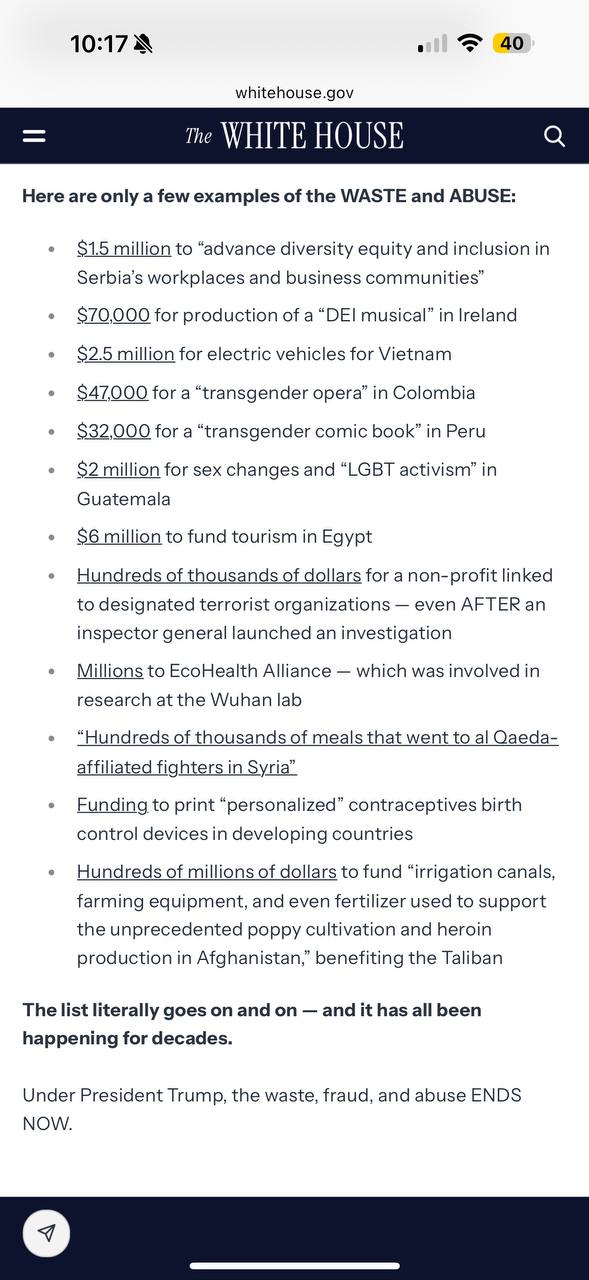
AR
22:27
Antonio Russo
In reply to this message
Where is the waste fraud and abuse? All of these lines (which you may not approve of) were approved and appropriated by CONGRESS… if there was fraud and abuse there would by FBI investigations going on.
22:28
Not to mention most of the items on this list were debunked and falsely misrepresented.
⚡
22:29
⚡️ Chris ⚡️
Lmao
22:30

“It was debunked, didn’t you read snopes?”
🤣
F
NW
NW
22:32
Nick W
In reply to this message
Congress doesn’t approve individual expenditures they approve broad foreign aid packages
⚡
22:35
⚡️ Chris ⚡️
It really is a perpetual gaslight cycle talking to the other side.
“Oh look at this stupid thing the government funds”
“that isn’t happening, that’s a conspiracy”
“Here is documented evidence of it happening”
“That was debunked by the news”
Always the same cycle with libs.
❤
“Oh look at this stupid thing the government funds”
“that isn’t happening, that’s a conspiracy”
“Here is documented evidence of it happening”
“That was debunked by the news”
Always the same cycle with libs.
F
NW
NW
22:38
Nick W
In reply to this message
Mark besides loving USAID and repeating false CNN talking points what exactly are your political principles?
AR
23:15
Antonio Russo
The funding of transgender mice wasn’t debunked??? 🤣😂🤣
23:17
It’s like they’re eating the cats and the dogs…
NW
23:21
Nick W
In reply to this message
Mice isn’t even on the list I sent. You just go from saying one thing that’s incorrect to another lol
AR
23:24
Antonio Russo
In reply to this message
The problem is how can you possibly believe anything on that list when they lie nearly about everything that comes out of their lips.
23:25
Did you believe them when they said they were finding transgender mice?🐁
23:25
I’m sure you did
23:25
I’m positive you also believed when they said migrants were eating cats and dogs. 🐕
NW
23:26
Nick W
You’re positive about a lot of things for somebody who’s been wrong consistently throughout this entire chat thread
❤
⚡
F
AR
23:26
Antonio Russo
So how could you possibly convince me the White House list of savings is true!
NW
23:26
Nick W
And you’ve avoided the question about what you’re political principles are because it certainly seems like you don’t have them lol
AR
NW
AR
23:28
Antonio Russo
There was no fraud! You can consider literally anything wasteful and abused.
23:29
Do you have any evidence of fraud?
NW
23:30
Nick W
You said that Congress approved all those individual expenditures
23:30
Nice try tho
AR
23:31
Antonio Russo
Correct! What do you think they just tell congress give me 40 billions we will tell you later what it’s used for???
NW
23:31
Nick W
They delegated to larger funds, and the funds use it.